
Table of Contents
- Why Stainless Steel Kitchens Cost Differently
- The Core Material Makes the Biggest Difference
- Engineering and Manufacturing Costs
- Surface Finishes and Aesthetic Customization
- Hardware and Functional Components
- Storage Accessories and Internal Systems
- Installation and Project Execution
- Looking at Cost Through the Lens of Value
Cost Breakdown of Stainless Steel Kitchens
Why Stainless Steel Kitchens Cost Differently
When homeowners begin researching modular kitchens, one of the first surprises they encounter is the price difference between conventional wooden kitchens and stainless steel alternatives.
At first glance, the comparison may seem straightforward. Both kitchens may have similar layouts, similar storage capacity, and similar visual appeal. Yet the stainless steel version often carries a higher initial investment.
The reason lies in where the money is being spent.
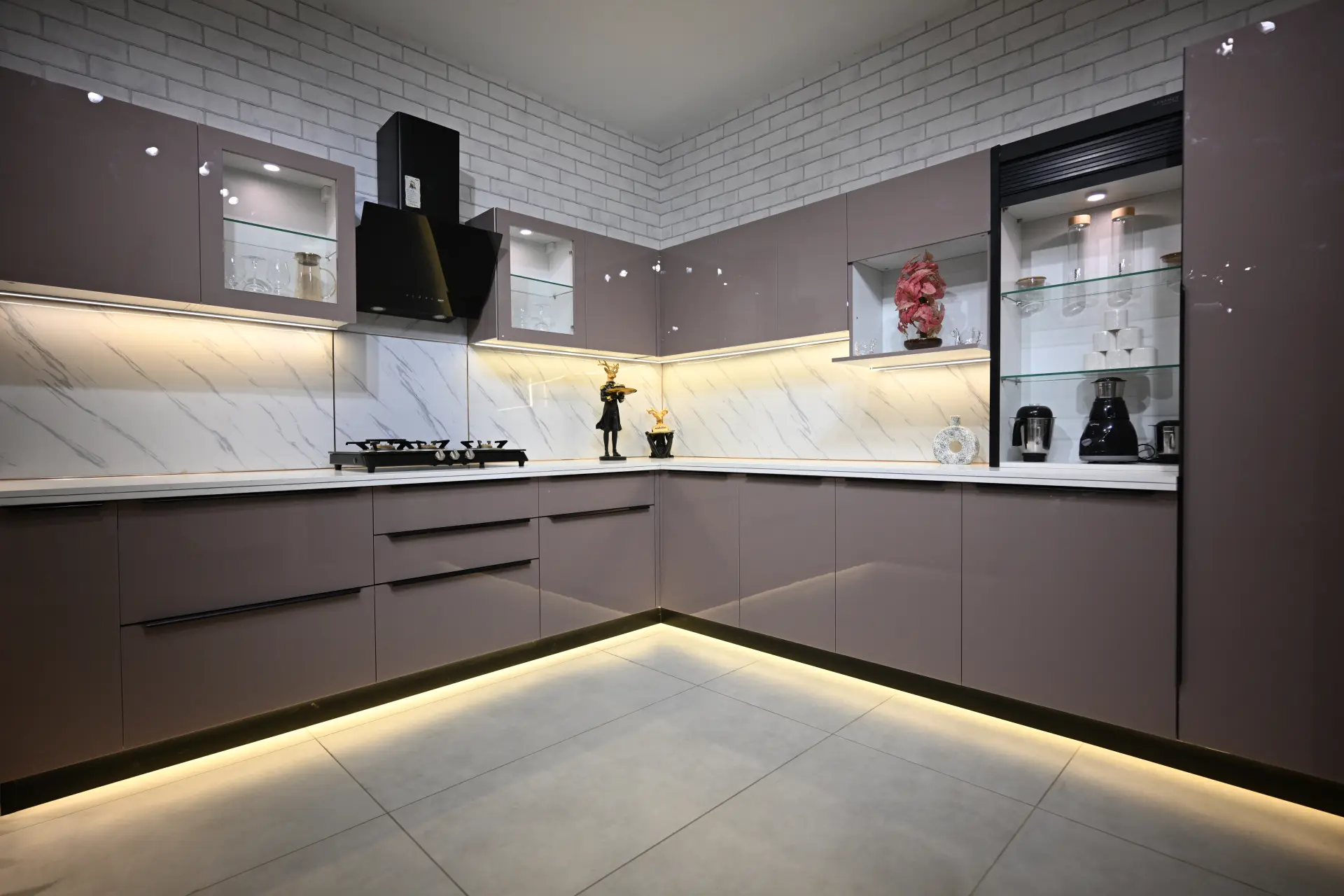
In many conventional kitchens, a significant portion of the budget goes toward decorative finishes, laminates, acrylic surfaces, veneers, and cosmetic upgrades. In a stainless steel kitchen, a larger share of the investment is directed toward the core structure itself, ensuring durability, moisture resistance, and long-term performance.
Understanding this distinction is essential when evaluating cost.
The Core Material Makes the Biggest Difference
The foundation of any kitchen is its structural material.
In conventional kitchens, this structure is typically built using plywood, MDF, particle board, or HDHMR boards. While these materials vary in quality, they remain susceptible to challenges such as moisture damage, termite attacks, swelling, and gradual deterioration.
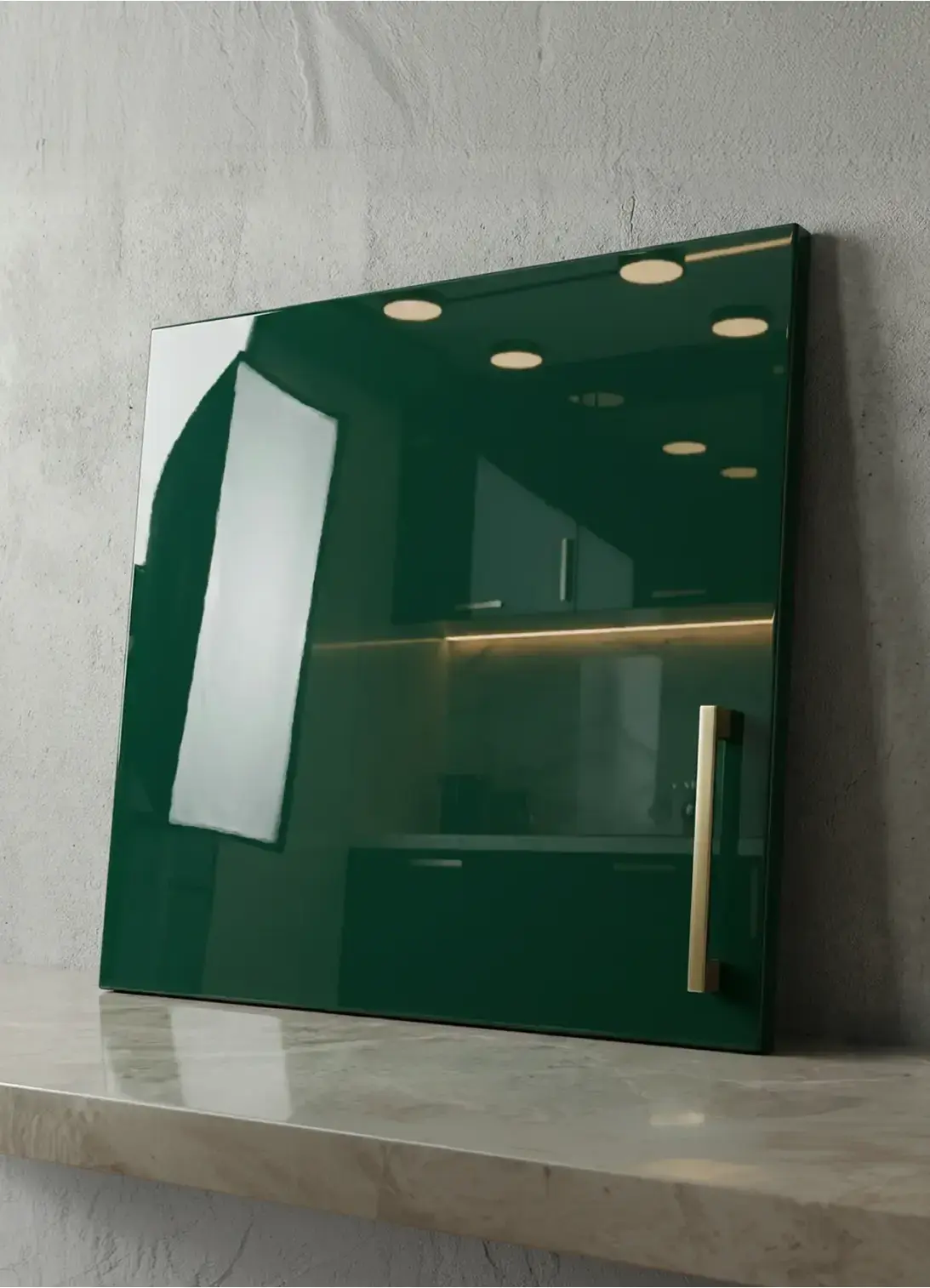
Stainless steel kitchens replace these materials with engineered steel components. Depending on the project specification, this may involve galvanized iron (GI), 202 stainless steel, or premium 304 stainless steel. Each material offers a different balance between cost and performance.
The increase in cost is not simply due to using steel. It comes from investing in a structural material that is designed to remain stable and durable for decades rather than years.
Engineering and Manufacturing Costs
A stainless steel kitchen requires a fundamentally different manufacturing process compared to conventional cabinetry.
Precision fabrication, CNC cutting, panel engineering, assembly mechanisms, and specialized finishing systems all contribute to production costs. These processes demand advanced machinery and higher manufacturing accuracy.
For example, Steelax utilizes CNC-cut steel systems along with engineered panel construction that incorporates rubber-insulated cores. This design eliminates the metallic noise typically associated with steel furniture while providing the solid feel expected from premium cabinetry.
These engineering enhancements increase manufacturing complexity, but they also significantly improve user experience and product longevity.
Unlike decorative upgrades, these investments directly affect how the kitchen performs over time.
Surface Finishes and Aesthetic Customization
A common misconception is that stainless steel kitchens must look industrial or metallic.
Modern manufacturing techniques have completely changed this perception.
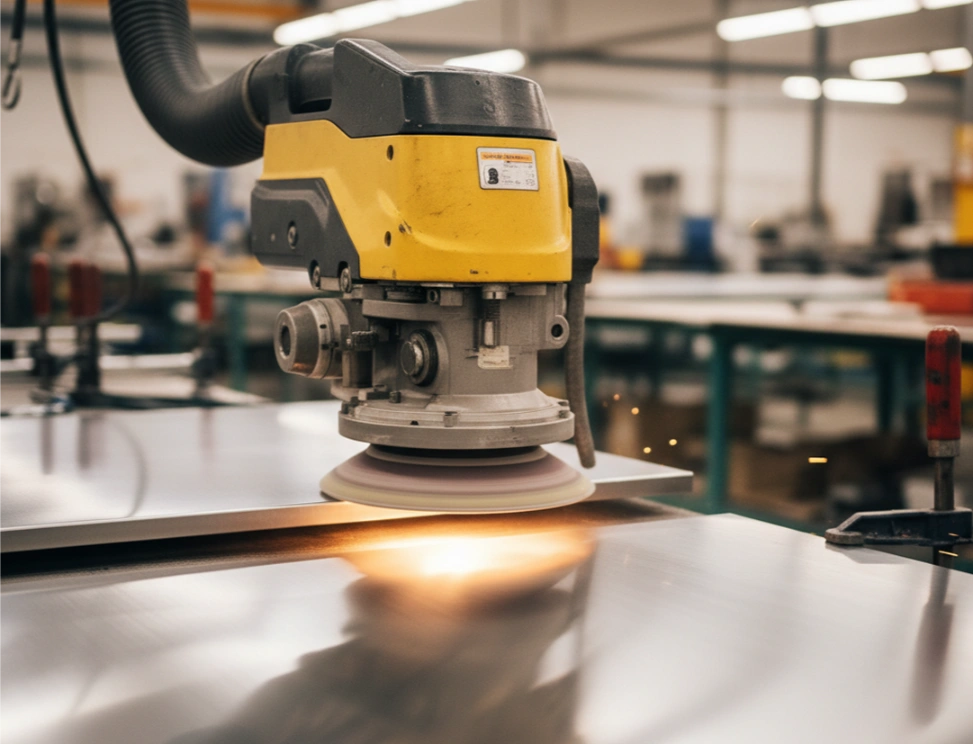
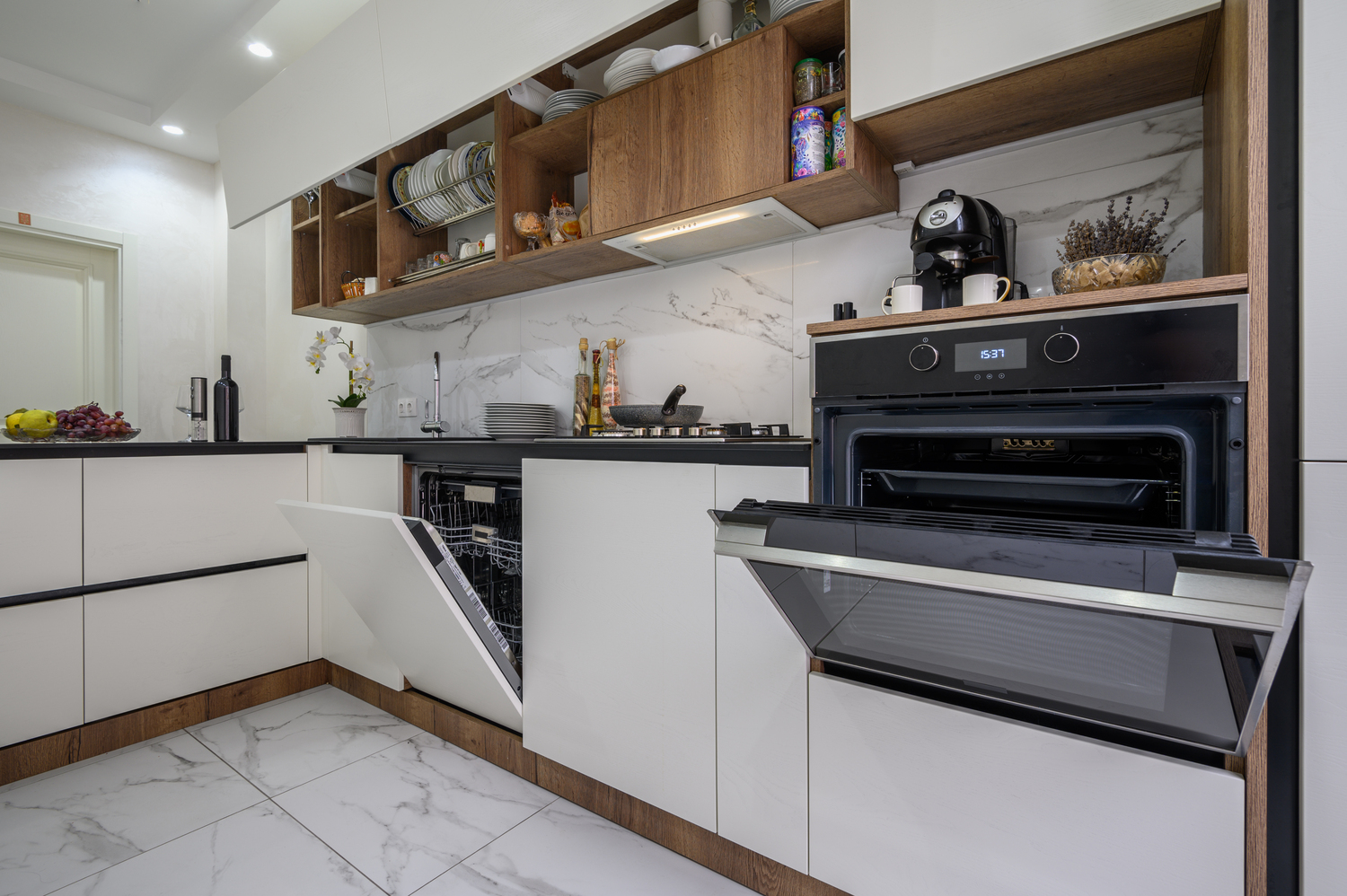
Today’s stainless steel kitchens are available in a wide range of finishes, including glossy PU surfaces, metallic finishes, matte finishes, textured designs, and wood-inspired aesthetics. These finishes allow homeowners to achieve virtually any design style while retaining the benefits of steel construction.
The chosen finish can significantly influence project cost.
Premium textured surfaces, metallic PU coatings, and specialized paint systems generally require more sophisticated production processes than standard finishes. The level of customization also affects pricing, particularly when homeowners select bespoke colors or design treatments.
This portion of the budget is where aesthetics and personalization begin to play a larger role.
Hardware and Functional Components
Many homeowners underestimate the importance of hardware until they begin using their kitchen daily.
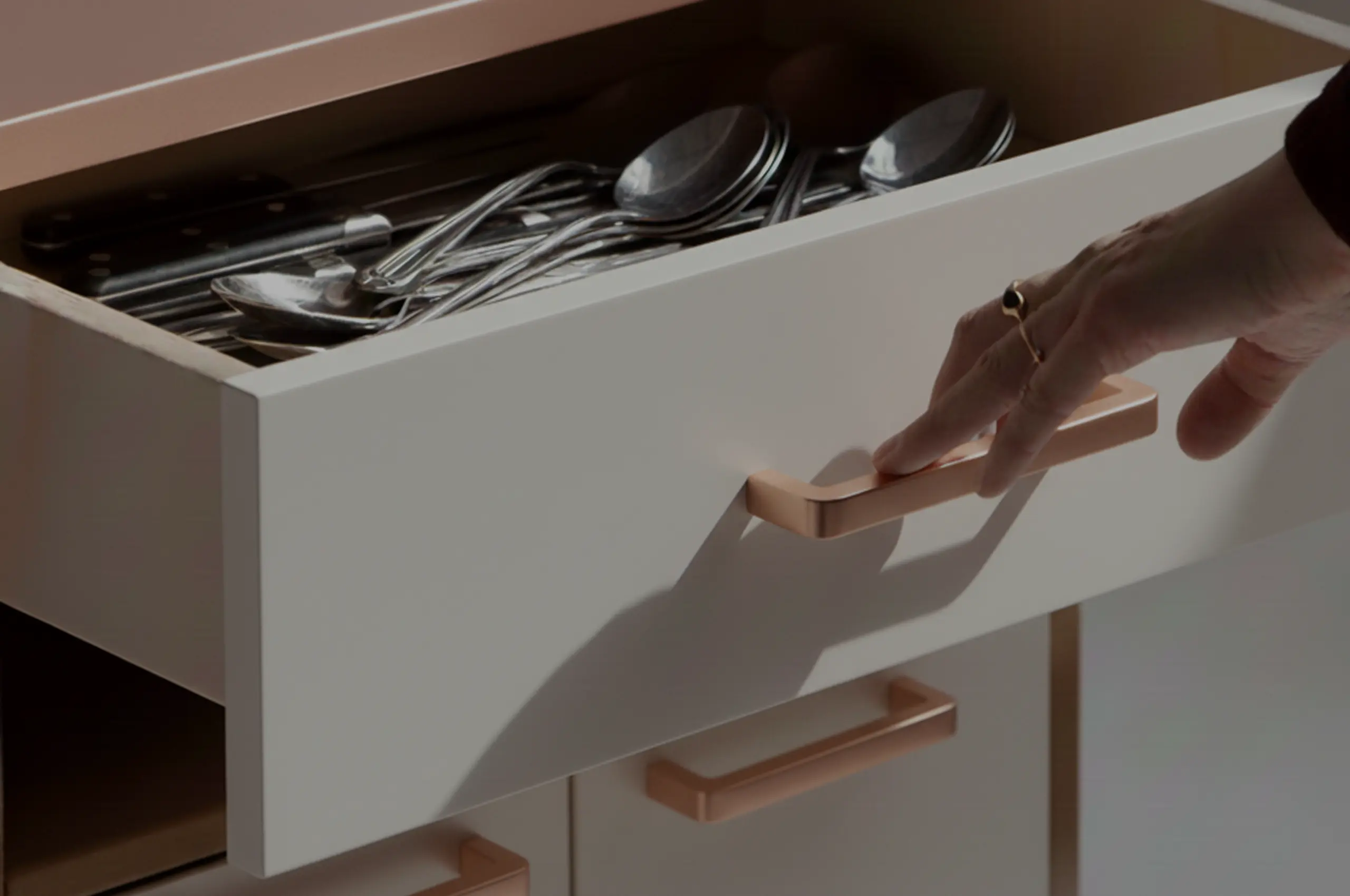
Every drawer, shutter, pantry unit, lift-up mechanism, and pull-out accessory relies on hardware. These components are responsible for the smooth, silent operation that homeowners associate with premium kitchens.
High-quality systems from brands such as Hafele, Hettich, Blum, Ozone, and Laranza are designed to withstand years of repeated use without compromising performance.
While premium hardware increases project cost, it also enhances convenience, durability, and overall user satisfaction.
In many cases, homeowners interact with hardware more frequently than any other component of the kitchen.
Storage Accessories and Internal Systems
Modern kitchens are expected to provide far more than basic storage.
Today’s homeowners seek organized, efficient spaces that support their lifestyle. As a result, specialized storage systems have become increasingly popular.
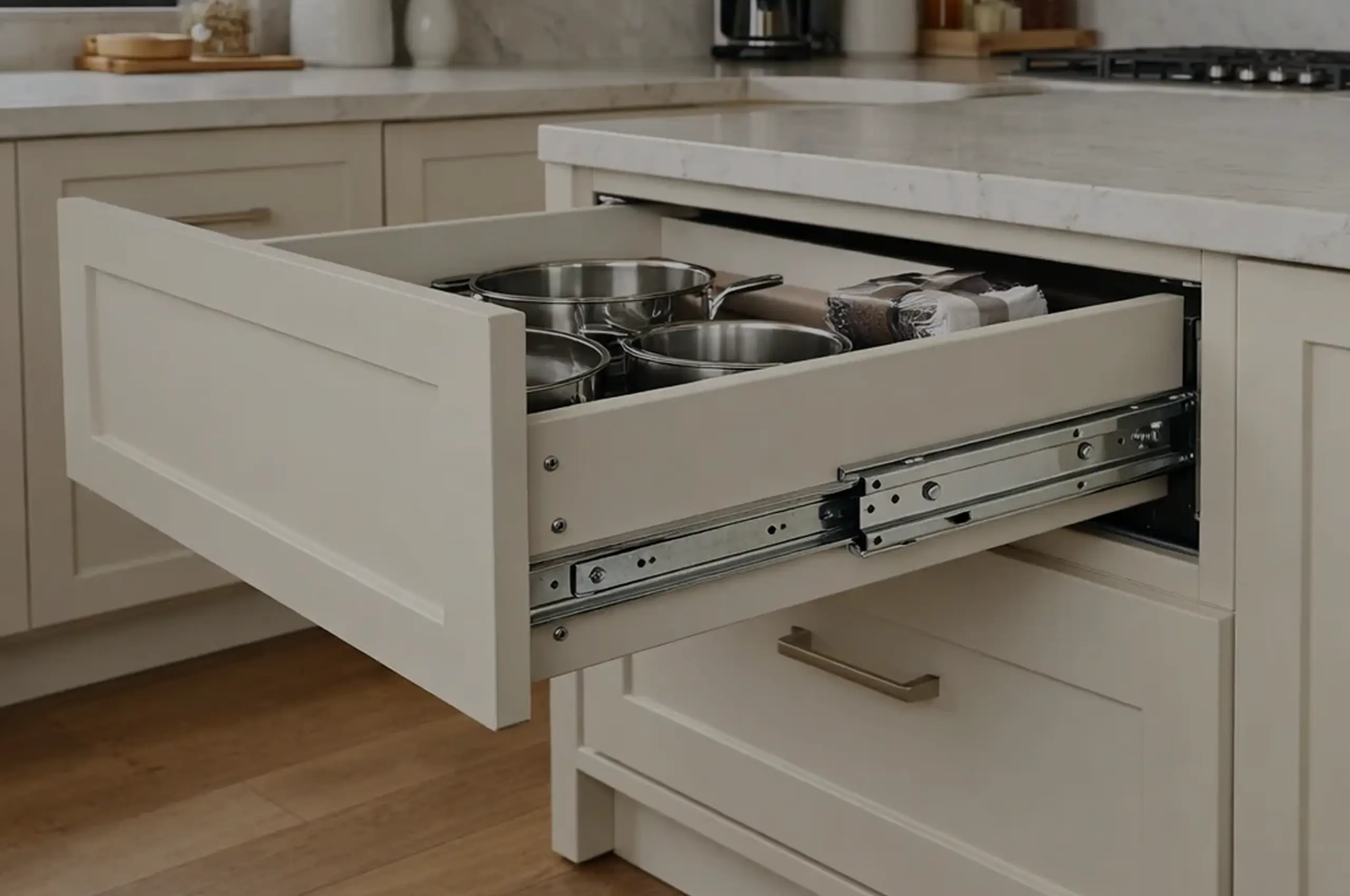
Features such as tall pantry units, tandem drawers, corner mechanisms, bottle pull-outs, cutlery organizers, appliance garages, and integrated waste management systems contribute to both functionality and cost.
The extent of these additions often creates significant variation between kitchen quotations.
A minimalist kitchen focused on essential storage will naturally cost less than one designed around advanced organizational systems and premium accessories.
The key is identifying which upgrades will genuinely improve daily use rather than simply adding features for the sake of complexity.
Installation and Project Execution
The final cost component involves installation and execution.
Even the best-manufactured kitchen can underperform if installation quality is poor. Precision alignment, hardware calibration, appliance integration, and finishing details all influence the final result.
Professional installation teams ensure that every component functions as intended, maintaining the integrity of both the design and engineering.
This stage often receives less attention during budgeting discussions, yet it plays a critical role in long-term performance and customer satisfaction.
A well-installed kitchen protects the value of every other investment made throughout the project.
Looking at Cost Through the Lens of Value
The true cost of a kitchen should never be evaluated solely by its initial quotation.
A lower-priced kitchen may appear attractive initially but can generate additional costs through repairs, maintenance, replacements, or premature renovation. Conversely, a higher-quality kitchen often delivers value through durability, reliability, and reduced ownership costs over time.
The Steelax pricing comparison illustrates this clearly. While entry-level wooden kitchens may begin around ₹1.25 lakh and premium wooden kitchens may reach ₹3–3.25 lakh, stainless steel kitchens typically range from approximately ₹3.2 lakh for GI configurations to ₹5.5 lakh for premium 304-grade systems. The difference lies in the structural material itself and the performance it delivers over its lifespan.
For homeowners seeking the Best Modular Kitchens in Lucknow, the conversation should extend beyond cost and focus on value. A stainless steel kitchen represents an investment in durability, moisture resistance, structural integrity, and long-term peace of mind. When viewed over decades rather than years, the pricing often becomes easier to understand and justify. Brands like Steelax Lucknow continue to demonstrate that premium kitchens are not defined solely by how they look, but by how well they continue performing long after installation.

[…] a fuller explanation of the quote, read our stainless steel kitchen cost guide. It will help you discuss the grade alongside the other items affecting the […]