Table of Contents
- Understanding What Makes 304 Steel Different
- Why Material Selection Matters in Interior Design
- Under-Sink Kitchen Cabinets
- Kitchen Work Zones and Wet Areas
- Bathroom Vanity Units and Storage
- Utility and Laundry Areas
- Premium Wardrobes and Storage Solutions
- Using 304 Steel Strategically for Long-Term Value
Understanding What Makes 304 Steel Different
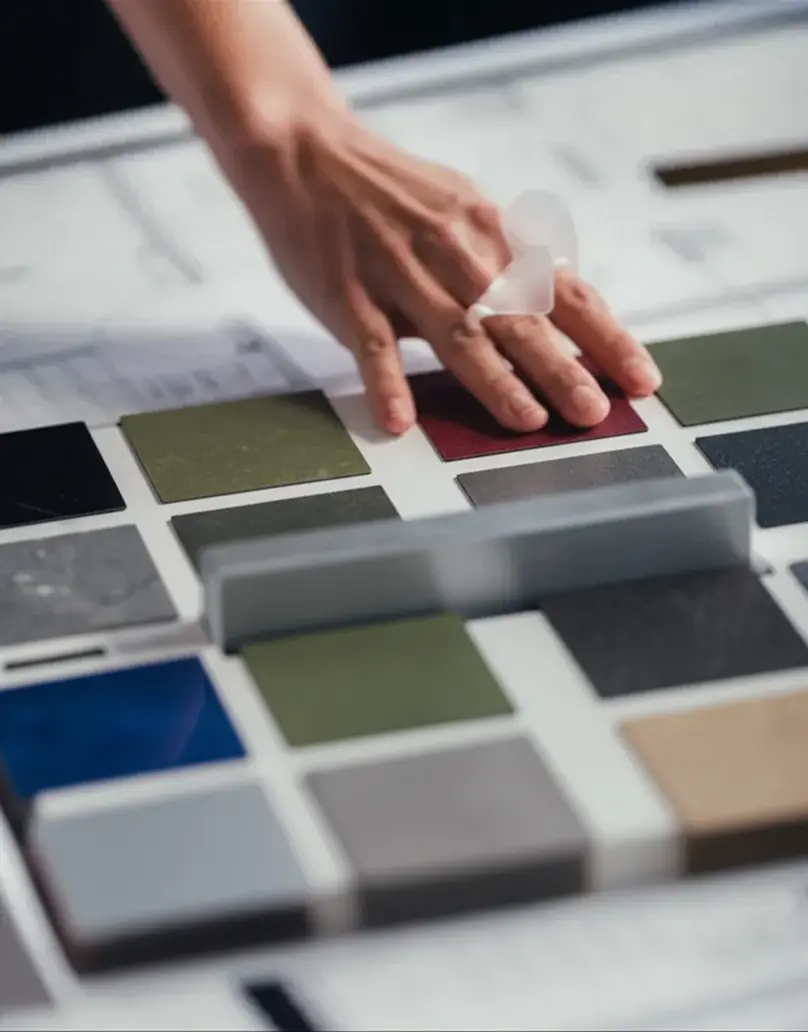
When homeowners begin exploring premium interior solutions, they often encounter terms like 202 stainless steel, 304 stainless steel, HDHMR, plywood, and galvanized iron. While these materials may appear similar from a distance, their long-term performance can vary significantly depending on where they are used.
Among stainless steel grades, 304 stainless steel is widely regarded as one of the most reliable options for residential interiors. Its superior resistance to corrosion, moisture, and environmental exposure makes it particularly valuable in areas where ordinary materials tend to deteriorate over time.
The key question is not whether 304 steel is a good material. The real question is where it delivers the greatest value within a home.
Why Material Selection Matters in Interior Design
Many interior materials perform adequately when conditions remain dry and stable. However, homes are not uniform environments.
A bedroom wardrobe experiences very different conditions compared to a sink cabinet. A living room storage unit is exposed to far less moisture than a bathroom vanity. Using the same material everywhere often leads to unnecessary costs in some areas and inadequate performance in others.
Thoughtful interior design involves matching materials to the demands of each space. This approach not only improves durability but also ensures better value from the investment.
304 stainless steel becomes particularly relevant in areas where moisture, humidity, cleaning chemicals, and frequent use are unavoidable.
Under-Sink Kitchen Cabinets
If there is one area in a home where 304 stainless steel provides immediate benefits, it is the under-sink cabinet.
This section of the kitchen faces constant exposure to moisture. Small plumbing leaks, water spills, condensation, and cleaning activities can gradually damage conventional cabinet materials. Often, deterioration begins from the inside, remaining unnoticed until visible swelling or structural damage appears.
304 stainless steel eliminates this concern.
Because of its exceptional resistance to corrosion and moisture, it continues to maintain its structural integrity even in demanding conditions. This is one reason manufacturers such as Steelax exclusively recommend 304-grade stainless steel for high-moisture kitchen zones.
For homeowners seeking long-term reliability, the under-sink area is perhaps the most logical place to invest in premium-grade steel.
Kitchen Work Zones and Wet Areas
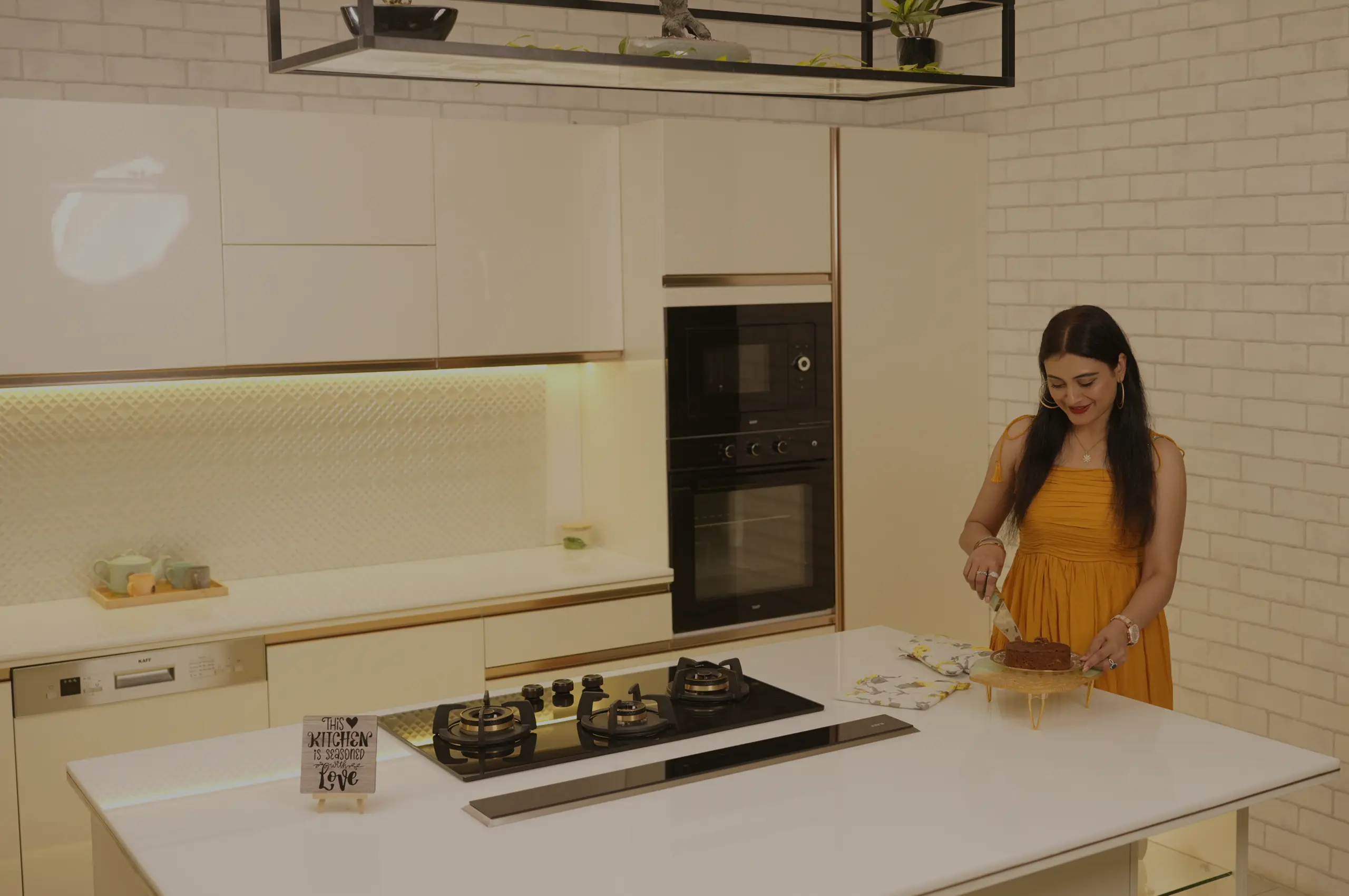
Beyond sink cabinets, several other kitchen areas benefit significantly from 304 stainless steel.
Cooking generates heat, steam, oil particles, and humidity on a daily basis. Over time, these conditions place considerable stress on cabinetry and structural components.
Using 304 steel in work zones near sinks, dishwashers, water purifiers, and frequently cleaned surfaces helps ensure that the kitchen remains stable and durable despite constant exposure to moisture.
This is particularly important in Indian kitchens, where cooking activities are often more intensive and kitchens experience higher levels of heat and humidity compared to many western households.
The material’s resistance to rust makes it a practical long-term solution rather than simply a premium upgrade.
Bathroom Vanity Units and Storage
Bathrooms are among the most challenging environments for furniture.
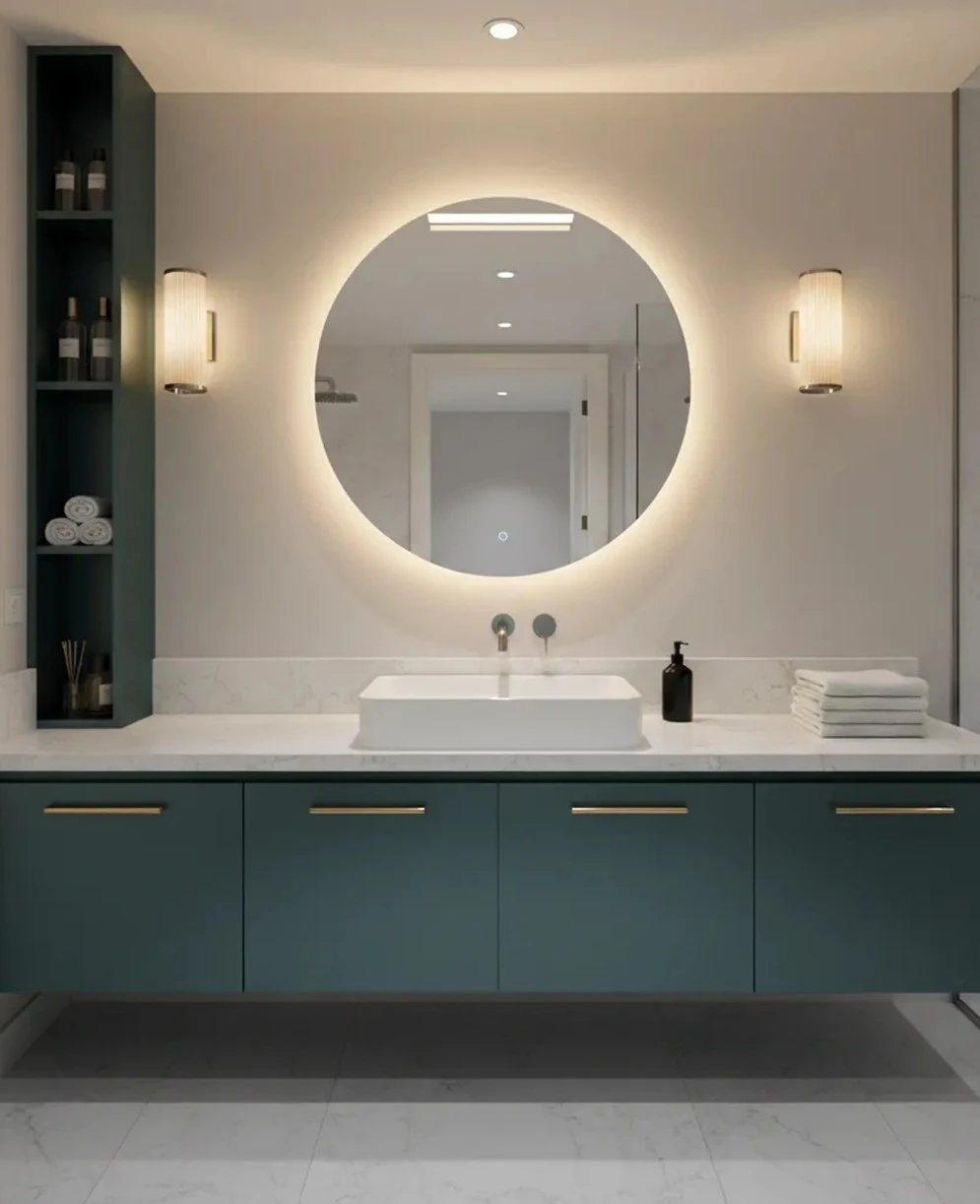
Steam from hot showers, water splashes around washbasins, high humidity levels, and regular cleaning routines create conditions that can accelerate material degradation. Many homeowners have experienced vanity units that begin swelling, peeling, or losing alignment after a few years of use.
304 stainless steel offers a solution designed specifically for such environments.
Because it is inherently resistant to moisture and corrosion, it performs exceptionally well in bathroom vanity units, mirror cabinets, and storage systems. It allows homeowners to maintain both aesthetics and functionality without worrying about long-term water damage.
In moisture-prone spaces, material quality often determines how long the furniture remains usable.
Utility and Laundry Areas
Utility spaces are frequently overlooked during interior planning, despite being among the most demanding areas in a home.
Washing machines, cleaning products, water connections, and frequent wet activities create an environment where conventional materials may struggle over time.
Storage units in utility rooms often experience moisture exposure that is difficult to avoid. Using 304 stainless steel in these areas provides an added layer of protection and significantly reduces maintenance concerns.
While utility areas may not be the most visible spaces in a home, investing in durable materials here often prevents costly repairs in the future.
Premium Wardrobes and Storage Solutions
Although wardrobes typically do not face the same moisture levels as kitchens or bathrooms, certain situations can still justify the use of 304 steel.
Homes located in highly humid environments, properties that remain closed for extended periods, or storage systems requiring maximum longevity can benefit from stainless steel construction.
Beyond durability, steel-based wardrobes offer advantages such as resistance to termites, dimensional stability, and long-term structural performance.
For homeowners seeking a once-in-a-lifetime furniture investment, 304 steel provides a level of reliability that few traditional materials can match.
That said, many projects strategically combine different steel grades depending on the location and expected exposure levels, balancing performance and cost effectively.
Using 304 Steel Strategically for Long-Term Value
One of the most common misconceptions about 304 stainless steel is that it must be used throughout an entire project to be effective.
In reality, the smartest approach is often strategic application.
Areas with high moisture exposure, regular water contact, and demanding environmental conditions benefit most from 304 steel. Other sections of the home may perform perfectly well with alternative materials or steel grades depending on usage requirements.
This targeted approach allows homeowners to maximize durability while maintaining cost efficiency.
For those seeking the Best Modular Kitchens in Lucknow or premium interior solutions built for long-term performance, understanding where to use 304 stainless steel can make a significant difference. Brands like Steelax Lucknow have demonstrated how thoughtful material selection, particularly in critical wet zones, can dramatically improve durability, reduce maintenance, and extend the life of interior spaces. Rather than viewing 304 steel as a luxury, homeowners should see it as a practical investment in the areas where performance matters most.