Table of Contents
- Why Kitchen Layout Is the Most Important Decision You’ll Make
- The Work Triangle: A Timeless Planning Tool
- The Most Popular Kitchen Layouts Explained
- How to Match a Layout to Your Space
- Your Lifestyle Should Drive Your Layout Choice
- Common Layout Mistakes to Avoid
- Getting Professional Layout Advice in Lucknow
Why Kitchen Layout Is the Most Important Decision You'll Make
Before you choose cabinet colours, countertop materials, or hardware, you need to get your kitchen layout right. The layout determines the flow of movement in the space, the efficiency of your cooking process, and how well the kitchen integrates with the rest of your home. A beautiful kitchen with a poorly planned layout will frustrate you every single day. A well-laid-out kitchen, even a modest one, will make cooking feel effortless.
This is the decision that no amount of after-the-fact fixes can fully correct. Once the kitchen is installed and the walls are in place, the layout is essentially fixed. That’s why it deserves the most careful thought of all.

The Work Triangle: A Timeless Planning Tool
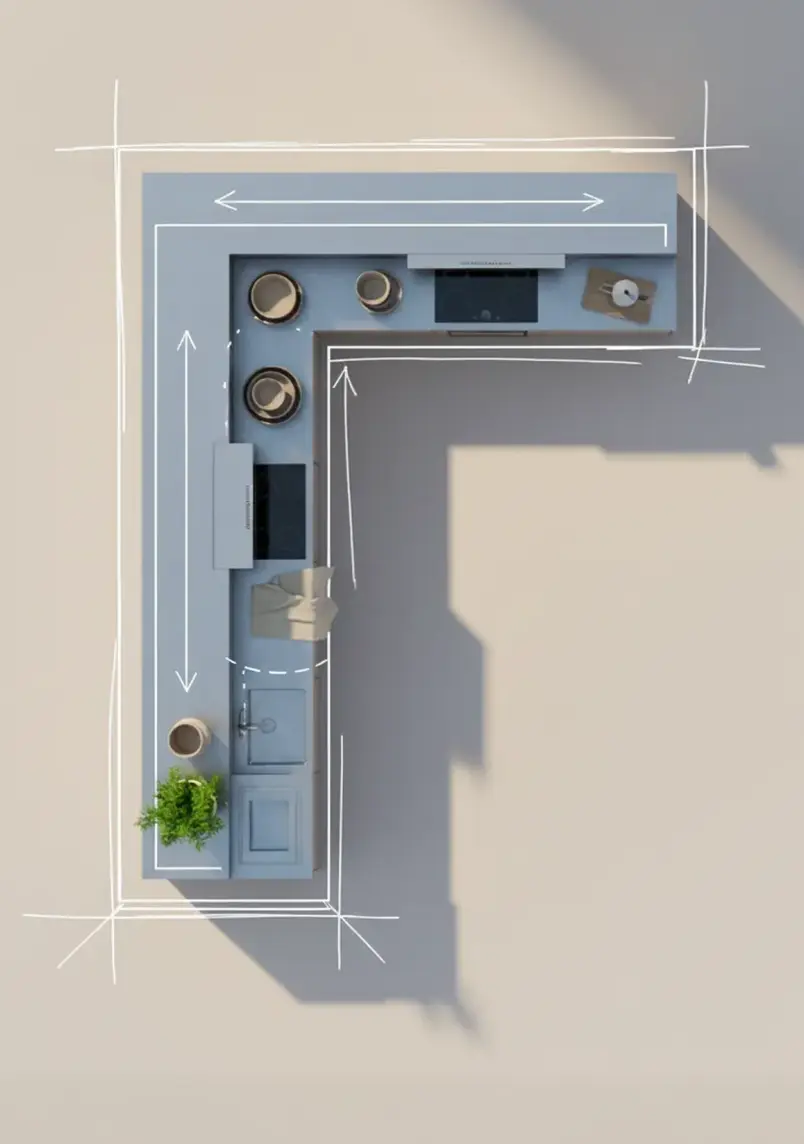
Developed by kitchen design researchers in the mid-twentieth century, the work triangle concept identifies the three core zones of any kitchen — the hob, the sink, and the refrigerator — and recommends that they form a triangle with sides that are neither too short nor too long. This minimises the distance you need to travel between the points you use most, reducing fatigue and inefficiency.
Modern kitchens have evolved beyond a strict three-point triangle — with preparation zones, breakfast stations, and built-in appliances adding complexity — but the underlying principle holds: the most-used areas of your kitchen should be close to each other and unobstructed.
“Good kitchen design isn’t about how it looks in a photograph. It’s about how it performs on a busy Tuesday evening.”
The Most Popular Kitchen Layouts Explained
Each layout has specific strengths and limitations. Here’s a quick breakdown of the most common configurations used in Indian homes:
- Straight / Single-Wall: Best for narrow spaces and studio apartments. Everything in one line — efficient but limited on storage.
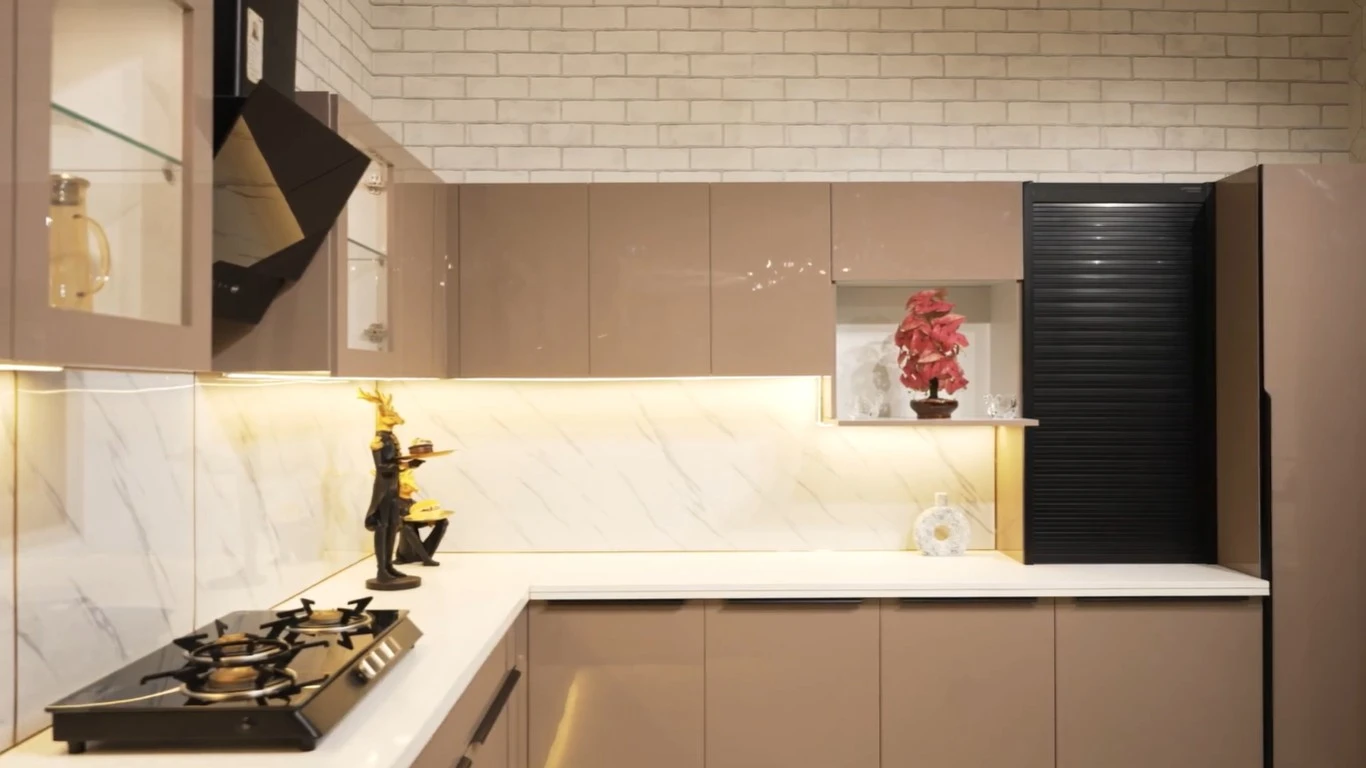
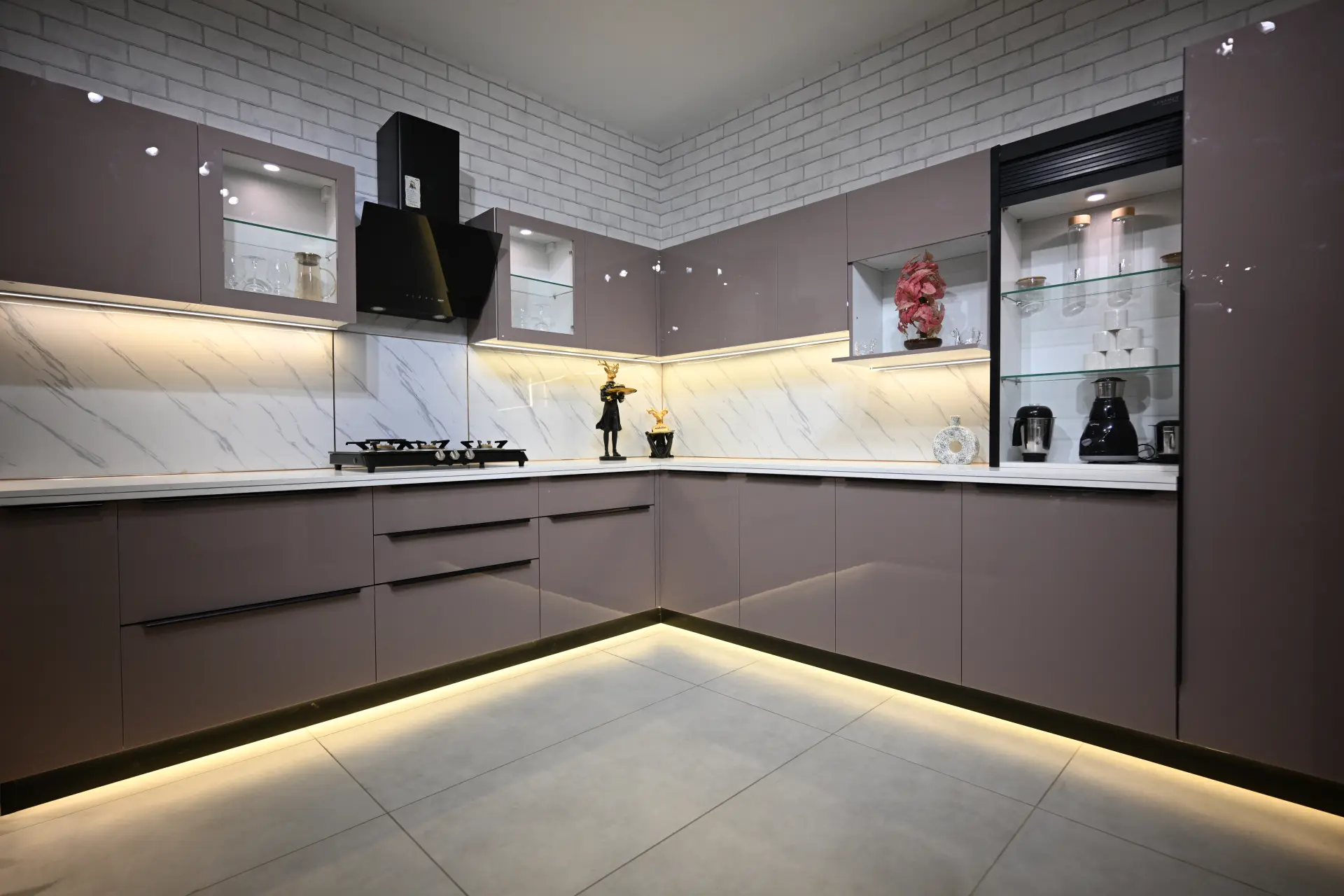
- L-Shape: One of the most versatile layouts. Uses two adjacent walls and suits most mid-sized kitchens. Works well in open-plan settings.
- Parallel / Galley: Two parallel counters facing each other. Excellent workflow for serious cooks but requires adequate aisle width (at least 900mm).
- U-Shape: Three walls of cabinetry providing maximum storage and counter space. Ideal for larger kitchens and households that cook frequently.
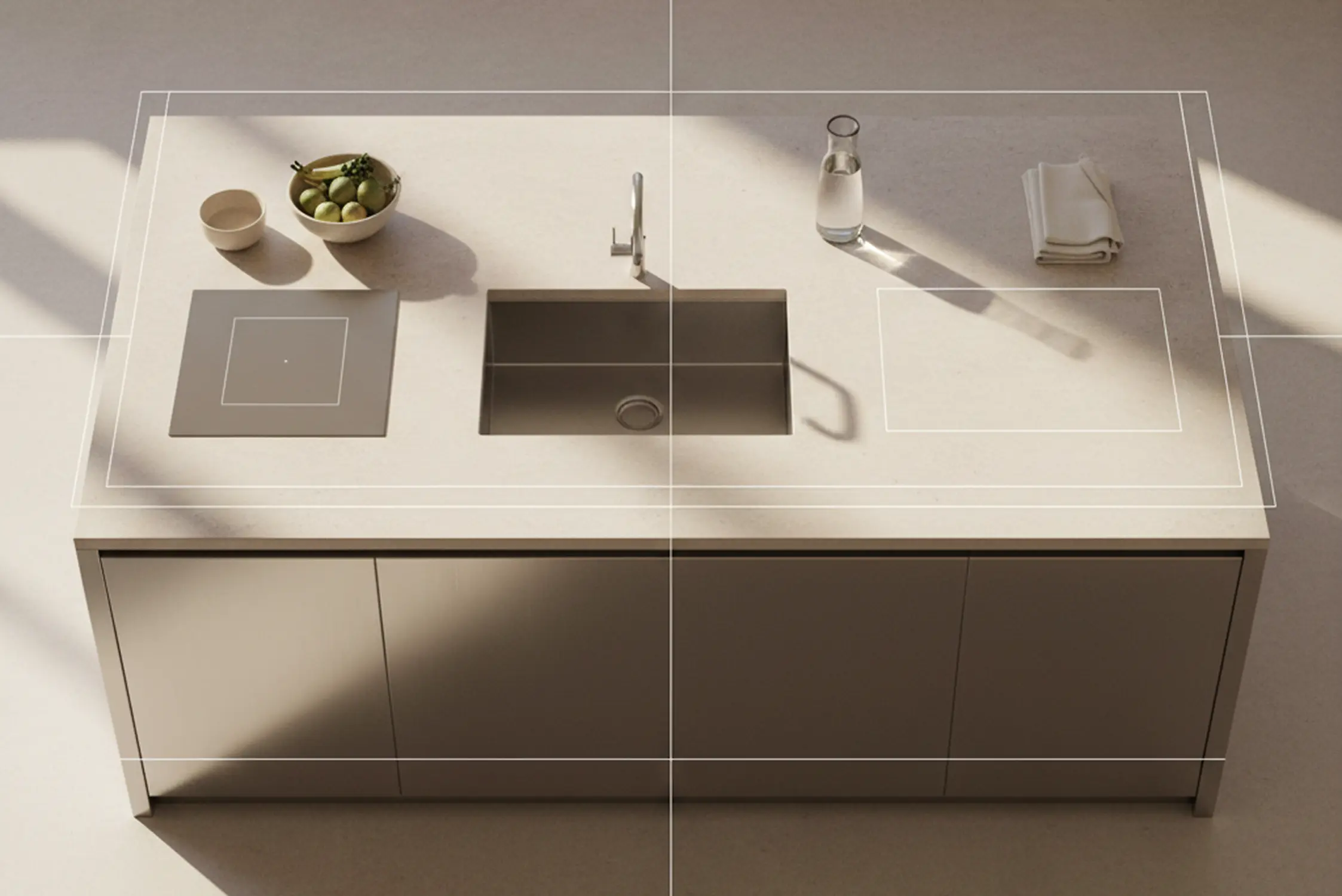
- Island Layout: Adds a freestanding central counter. Best for large open-plan kitchens — not practical in smaller spaces.
How to Match a Layout to Your Space
The most important variable in layout selection is the actual footprint of your kitchen — the shape of the room, the position of doors and windows, and the available wall length. Before making any decisions, you need accurate measurements of the space.
Key dimensions to consider include: the width of the kitchen (which determines whether a parallel layout is feasible), the length of available walls (which governs how much cabinetry you can fit), and the location of services like gas points, water inlets, and electrical outlets (which often anchor certain zones in place).
Your Lifestyle Should Drive Your Layout Choice
Two families with identical kitchen spaces might need very different layouts. A household where one person cooks on their own might prioritise a compact, efficient galley setup. A family that cooks together, or frequently entertains, might need a more open configuration with additional counter space and easier traffic flow.
Think honestly about how you cook: Do you prep and cook simultaneously with a partner? Do you need the kitchen to interact with the dining area? Do you cook large batch meals that require extended counter space? These questions will point you toward the right layout more reliably than any trend guide.
Common Layout Mistakes to Avoid
Even well-intentioned kitchen designs can go wrong at the layout stage. The most frequent mistakes include:
- Placing the refrigerator in a corner that’s hard to access once the door is open
- Locating the hob directly beneath a window — creates draft issues and safety concerns
- Not accounting for appliance door swing when planning aisle widths
- Creating a work triangle that’s broken up by a doorway or passageway
- Under-specifying storage in favour of a larger island or more open space
Getting Professional Layout Advice in Lucknow
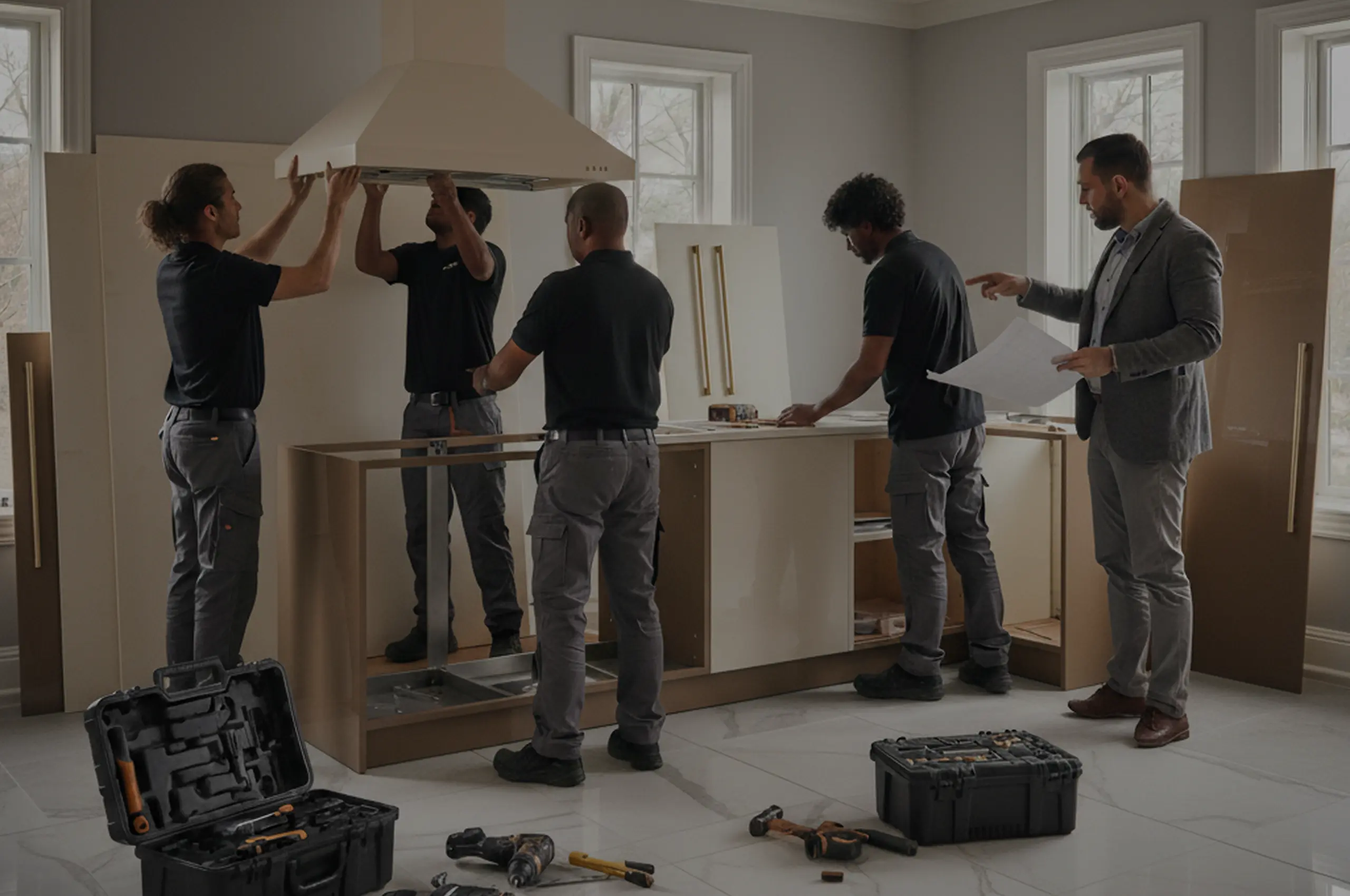
Kitchen layout planning is a discipline in itself, and for most homeowners, getting professional input is worth the investment. A trained kitchen designer will consider factors that most people overlook — ceiling height, ventilation, service locations, future-proofing — and translate them into a layout that genuinely works.
In Lucknow, Steelax offers detailed kitchen layout consultations as part of their modular kitchen design process. Whether you’re starting from scratch or rethinking an existing space, their team can help you find the right configuration for your home, your cooking habits, and your budget.