The carpenter’s quotation is lower, the factory display looks more polished, and both say they can customise the kitchen. Comparing carpenter vs modular kitchen options can become confusing because the descriptions overlap. A carpenter can build modular units, and factory-made cabinetry still needs skilled fitting at your home.
The useful comparison is how each proposal handles materials, production, installation and service. Ask for equivalent specifications before deciding that one route is cheaper or better. The difference may reflect the cabinet structure as much as the place where it is made
Table of Contents
- How a carpenter-made kitchen is planned and built
- What changes with factory-made kitchen cabinets
- Compare carpenter vs modular kitchen details you can inspect
- On-site work for carpenter and factory-made kitchens
- Carpenter vs modular kitchen: price and warranty
- When a carpenter-made kitchen is a reasonable choice
- Carpenter vs modular kitchen: FAQs
How a carpenter-made kitchen is planned and built
A carpenter-led kitchen may be made on site, prepared partly in a workshop or assembled from supplied components. Ask which arrangement applies to your project. The answer affects access to the home, storage of materials and coordination with other work.
Discuss who selects and purchases the boards, fittings and finishes. If those choices remain open, the initial figure may not represent the kitchen you eventually approve. A written specification helps you compare the proposal and reduces disagreement about what was included.
Carpentry can allow close discussion of unusual dimensions or details, but workmanship depends on the person and process involved. Review relevant completed work and ask how repairs are handled. The label alone is not enough to judge either the finish or reliability.
What changes with factory-made kitchen cabinets
Factory production moves a substantial part of the cabinet work away from your home. The units are prepared against an approved design and then delivered for fitting. This makes the accuracy of measurements and decisions before production particularly important.
Steelax uses CNC cutting and automatic machinery, with an in-house paint facility and installation team. Those are defined parts of its production approach. They should be considered alongside the approved material and hardware, rather than treated as a substitute for a detailed quotation.
For a closer look at that process, see our steel kitchen manufacturing guide. When choosing your route, the immediate question is who takes responsibility for the finished fit at the site.
Compare carpenter vs modular kitchen details you can inspect
| Detail | Ask the carpenter | Ask the factory supplier |
| Material | Which board or metal is specified? | Is the material schedule tied to each module? |
| Finish | Where and how is it applied? | Can I inspect the approved production sample? |
| Hardware | Which exact fittings are included? | Which series and service terms apply? |
| Site fitting | Who adjusts and completes the units? | Who handles site differences and final alignment? |
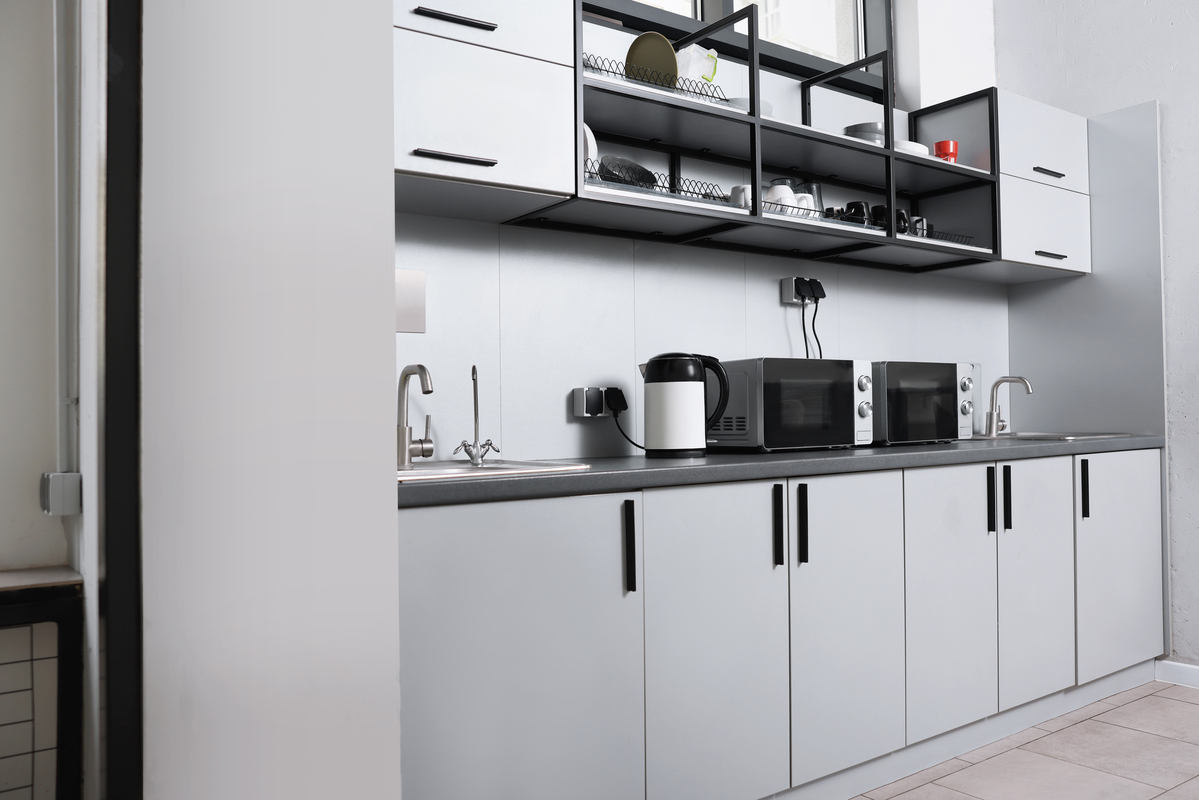
On-site work for carpenter and factory-made kitchens
On-site cutting and finishing require space and can affect the household routine. Workshop preparation can reduce some of that work, so ask for the actual method rather than assuming every carpenter project follows the same sequence. Identify where materials will be stored and how adjacent rooms will be protected.
Factory-made units also need installation time and a ready site. Plumbing, electrical points, countertops and appliances must fit the approved arrangement. Delivery is therefore one stage of the project, not proof that the kitchen can immediately be used.
Ask both providers for a stage-wise schedule and the dependencies behind it. A shorter installation visit may still follow a longer production period. Comparing only days at the site can hide the full time between ordering and a working kitchen.
Carpenter vs modular kitchen: price and warranty
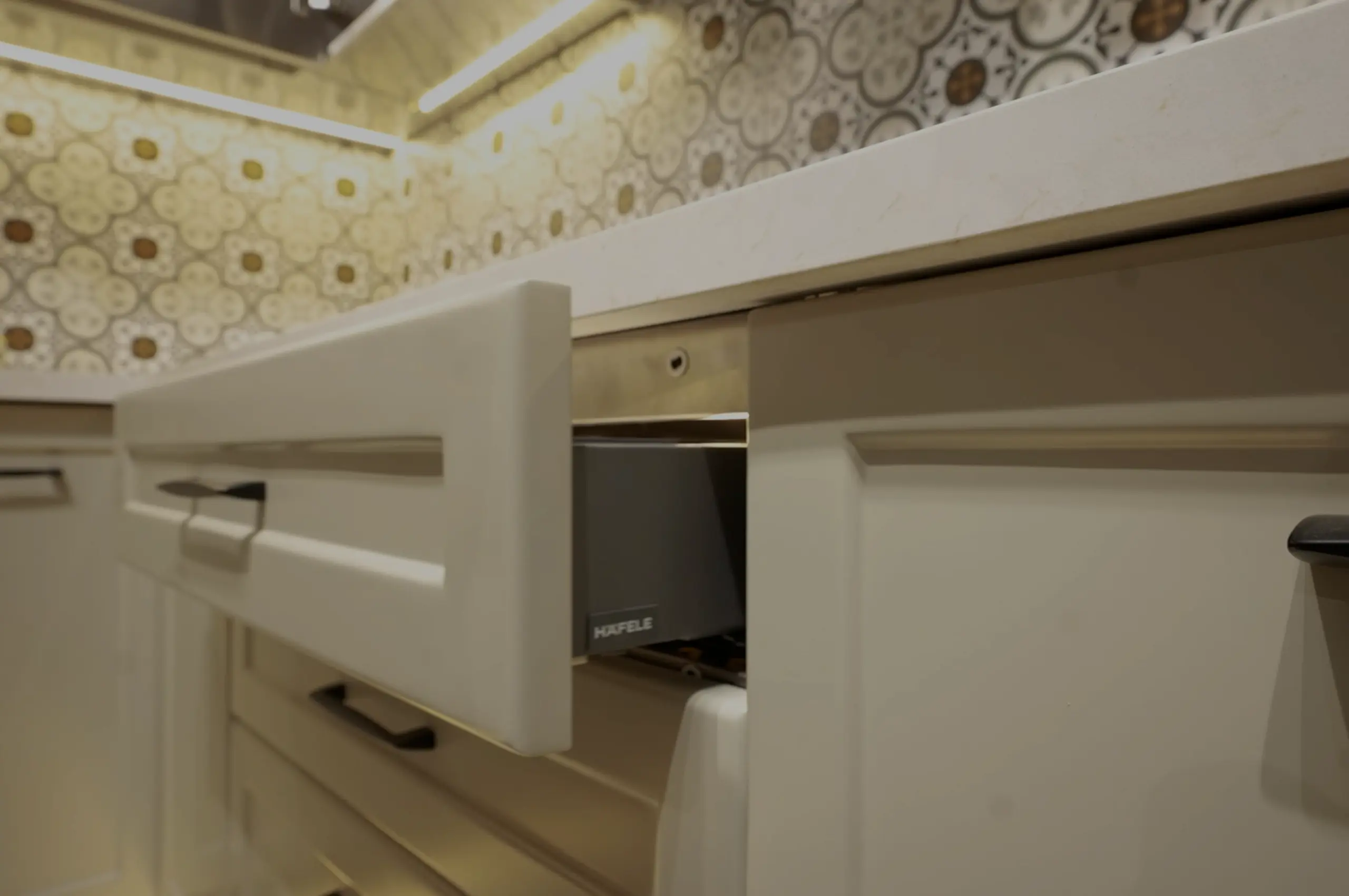
Steelax’s reference figures for an 80 sq ft kitchen show approximate 2026 planning costs of ₹1.25 lakh for carpenter-built plywood, ₹2.50 lakh for factory-made HDHMR/MDF and ₹3.20 lakh for GI steel. These are different specifications, not a controlled test of factory versus carpenter pricing.
The figures are useful as starting references, but a fair carpenter vs modular kitchen comparison needs matching dimensions, fittings and inclusions. Site conditions affect the final cost. Our kitchen price explanation and quotation guide can help you read the proposals.
Compare written support too. Ask who responds to a loose fitting, a finish issue or a damaged panel, and which terms apply. Steelax states lifetime coverage against rust and material degradation; that does not automatically describe hardware, appliances or every possible service issue.
When a carpenter-made kitchen is a reasonable choice
A trusted carpenter with relevant work, a defined scope and a clear repair arrangement can be a sensible option. This may suit a smaller job, a restricted budget or a particular detail requiring close site coordination. You still need the material and payment terms documented.
Factory-made cabinetry may suit a household seeking a defined production system and less cabinet fabrication at home. Steelax also offers HDHMR kitchens, so the choice of production route does not force every buyer into steel. Begin with the requirements and compare the appropriate options.
If you are weighing the two routes, share your layout and quotations with our team. We can help identify the specification differences so you can decide what the extra spending, if any, would buy.
Carpenter vs modular kitchen: FAQs
Is a factory-made kitchen better than a carpenter-made kitchen?
It depends on the specifications, production quality and installation. Compare actual materials and completed work. A factory system and a skilled carpenter can offer different advantages, but neither label establishes quality by itself.
Why is the carpenter’s quotation lower?
It may use different materials, fittings or inclusions. Ask for a written breakdown and compare equivalent scope before attributing the entire price difference to the production method.
Does a factory kitchen eliminate site work?
No. Units still need delivery, fitting and alignment, along with coordination of supporting trades. Factory preparation reduces cabinet fabrication at home but does not remove installation requirements.
Can I get a factory-made wooden kitchen?
Yes. Steelax offers HDHMR kitchens as well as steel options. Material selection and production method are separate choices that can be discussed against your budget and use.