Table of Contents
- Why Kitchen Renovations Go Wrong
- Mistake 1: Getting the Layout Wrong
- Mistake 2: Underestimating the Budget
- Mistake 3: Prioritising Style Over Function
- Mistake 4: Poor Lighting Planning
- Mistake 5: Choosing the Wrong Materials
- Mistake 6: Skipping Professional Help
Why Kitchen Renovations Go Wrong
A kitchen renovation is one of the most complex interior projects you’ll undertake. Unlike painting a room or changing furniture, it involves multiple trades, materials, services, and decisions that interact with each other in ways that aren’t always obvious upfront. The mistakes that trip up homeowners aren’t usually about bad taste — they’re about underestimating complexity, rushing decisions, or taking shortcuts that look fine initially and cause problems later.
The encouraging news is that these mistakes are avoidable. Most of them follow recognisable patterns, and knowing what to look out for can save you significant time, money, and frustration.
Mistake 1: Getting the Layout Wrong
Layout is the single most important element of kitchen design — and the hardest to fix after the fact. A common mistake is making layout decisions based on aesthetics rather than function: choosing an open kitchen because it looks good in photos, or adding an island without checking whether there’s enough aisle space to move around it safely.
Another frequent error is placing the hob, sink, and refrigerator in positions that create awkward movement patterns — constantly crossing the kitchen with hot pans, wet hands, or heavy groceries. Before finalising any layout, test it against your actual cooking habits and daily routines.
Mistake 2: Underestimating the Budget
Budget overruns are the most common complaint in kitchen renovations. Homeowners consistently underestimate the total cost by failing to account for civil work, unexpected structural issues, appliance costs, installation, and the inevitable mid-project changes that add to the bill.
“A well-planned kitchen renovation always costs more than the initial quote. Budget 15-20% above your estimate as a contingency — and feel relieved if you don’t need it.”
Breaking the budget into categories — cabinets and carcasses, countertops, appliances, civil work, accessories, and installation — helps you see where you’re spending and where you can make adjustments without compromising the overall quality.
Mistake 3: Prioritising Style Over Function
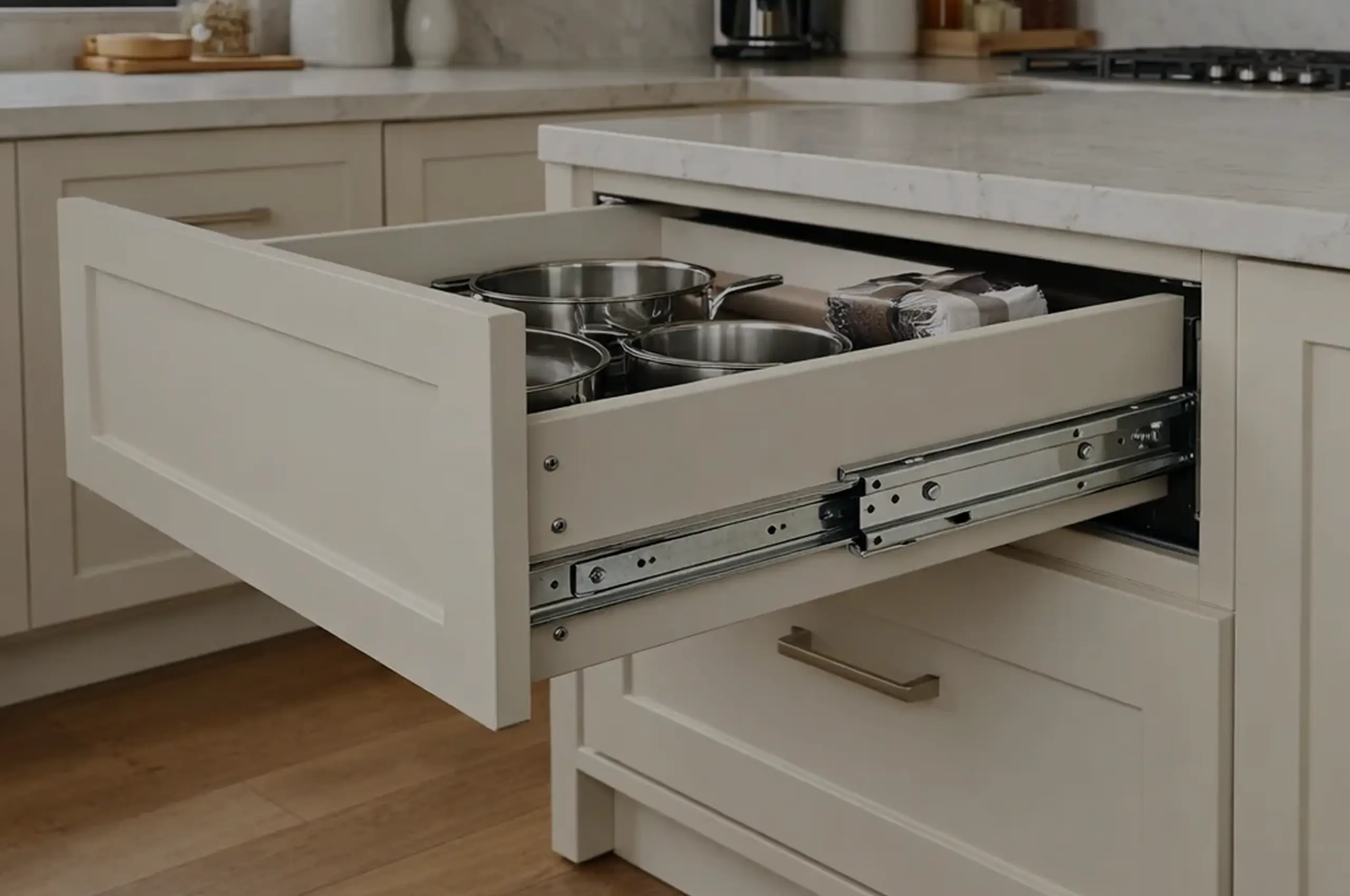
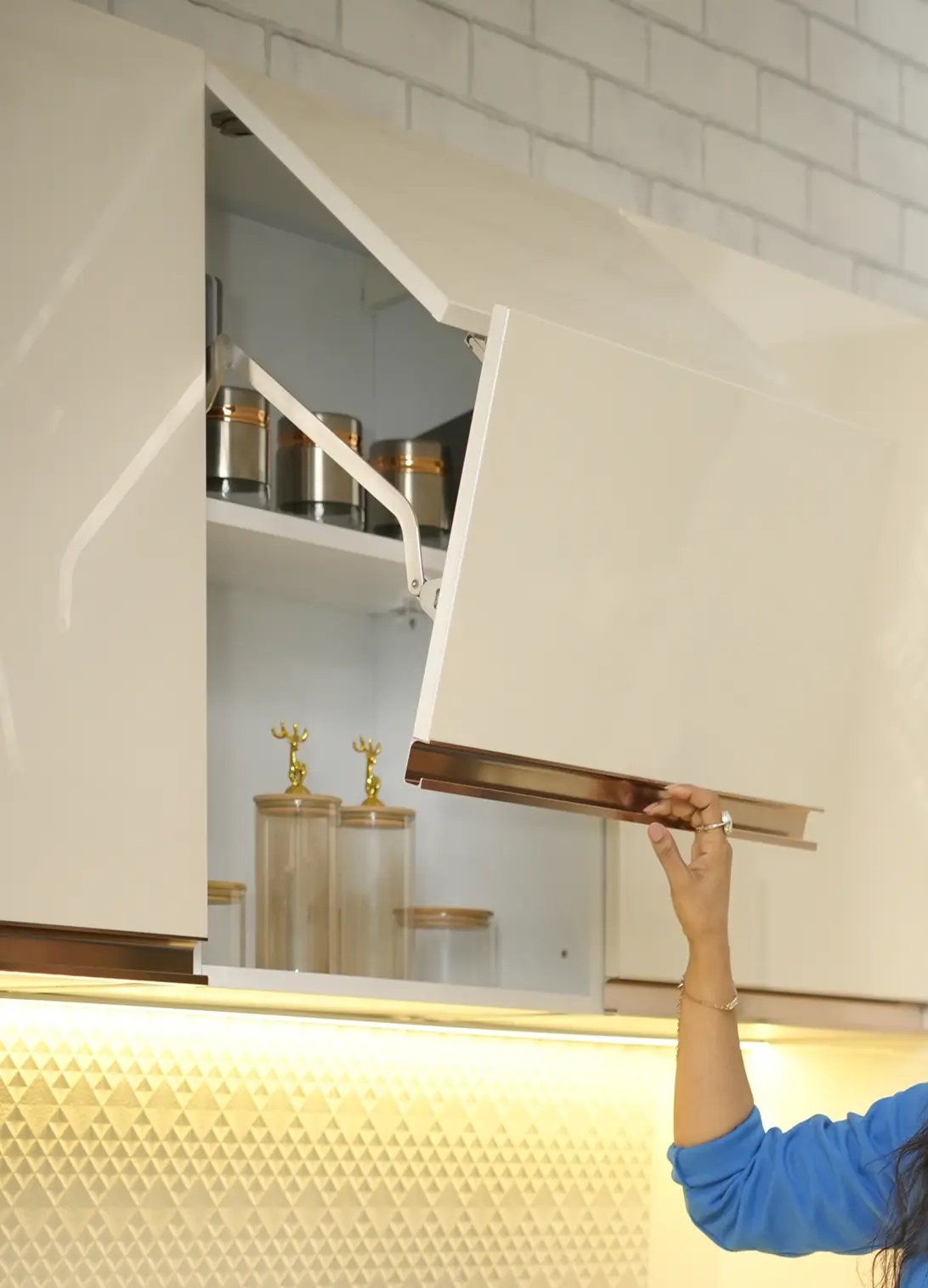
Driven by beautiful images online and in showrooms, homeowners sometimes make choices that look wonderful but function poorly. Deep base drawers without internal organisation quickly become messy. Countertops made from materials that stain easily become a source of constant frustration. Open shelving that looks stunning in a styled photograph requires daily maintenance in a real working kitchen.
Every design choice should pass a functionality test: How will this work on a normal day? How does it perform when the kitchen is busy? What does it look like after a year of use? If you can’t answer these questions confidently, dig deeper before committing.
Mistake 4: Poor Lighting Planning
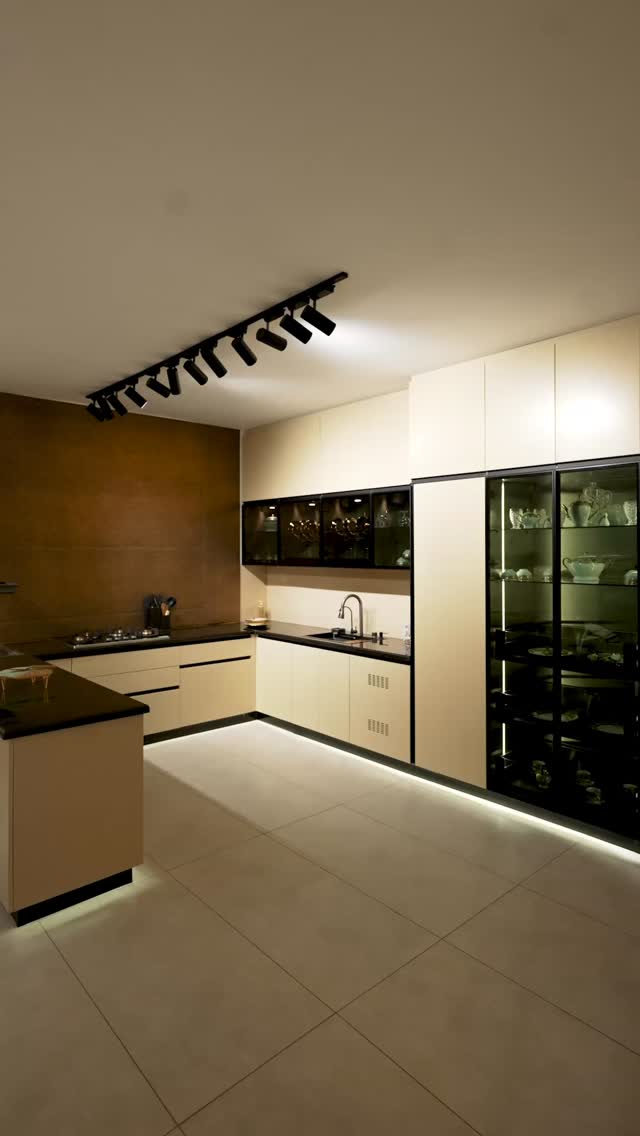
Lighting is frequently treated as an afterthought in kitchen renovations, added once the cabinets are in place and the electrical points are already fixed. The result is often a kitchen that’s adequately lit in general but poorly lit where it matters most — the countertop, the hob, the sink.
Plan for three layers of lighting: general ambient lighting for the overall space, task lighting directly above work surfaces and under upper cabinets, and accent lighting inside glass-fronted units or beneath toe kicks. The electrical planning for all three should be completed before the renovation begins, not during it.

Mistake 5: Choosing the Wrong Materials
Material choice is where many Lucknow homeowners go wrong — often prioritising cost savings that prove false economies over time. Common material mistakes include:
- Choosing low-grade plywood or MDF that swells or warps in Lucknow’s humid monsoon season
- Selecting countertop materials that stain or scratch easily and require sealing
- Opting for cheap hardware that wears out within 2-3 years and needs replacement
- Choosing laminate finishes that peel at the edges in high-moisture areas
Steel modular kitchens sidestep many of these material vulnerabilities, which is one reason they’ve grown in popularity. The initial investment is often higher than entry-level wood options — but the total cost of ownership, including maintenance and longevity, frequently makes steel the smarter financial choice.
Mistake 6: Skipping Professional Help
With online design tools and DIY culture growing, some homeowners attempt to manage their kitchen renovation without professional involvement. This is one of the most costly mistakes you can make. Professional kitchen designers and installers understand dimensions, tolerances, service connections, and installation sequences in ways that come from years of experience.
In Lucknow, working with an experienced provider like Steelax gives you access to end-to-end professional support — from layout planning and 3D design through to installation and after-sales service. The cost of that expertise is a fraction of what a major error would cost to fix.