Table of Contents
- Why This Decision Matters More Than You Think
- What Is an Open Kitchen Layout?
- What Is a Closed Kitchen Layout?
- The Honest Pros and Cons of Open Kitchens
- The Honest Pros and Cons of Closed Kitchens
- The Indian Context: Why This Choice Is Complicated
- The Semi-Open Middle Ground
Why This Decision Matters More Than You Think
When homeowners in Lucknow are planning a new kitchen or renovation, one of the first questions that comes up is whether to go open or closed. It’s a decision with implications that go far beyond aesthetics. The layout choice affects ventilation, cooking odours, noise, privacy, maintenance, and the way the entire home feels and functions. Getting it wrong can be expensive to fix.
This guide breaks down both options honestly — without the marketing spin — so you can make a decision grounded in how you actually live.

What Is an Open Kitchen Layout?
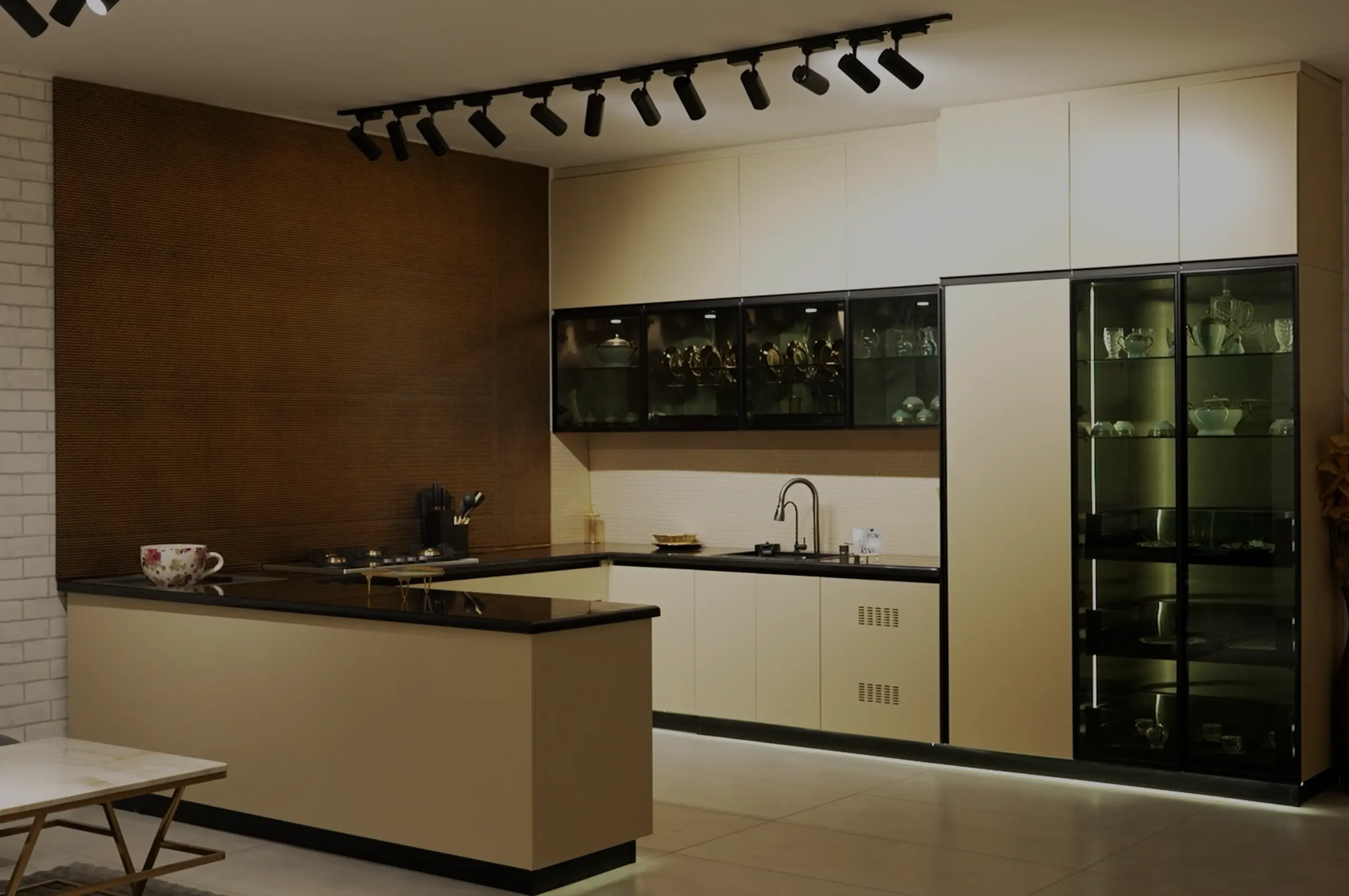
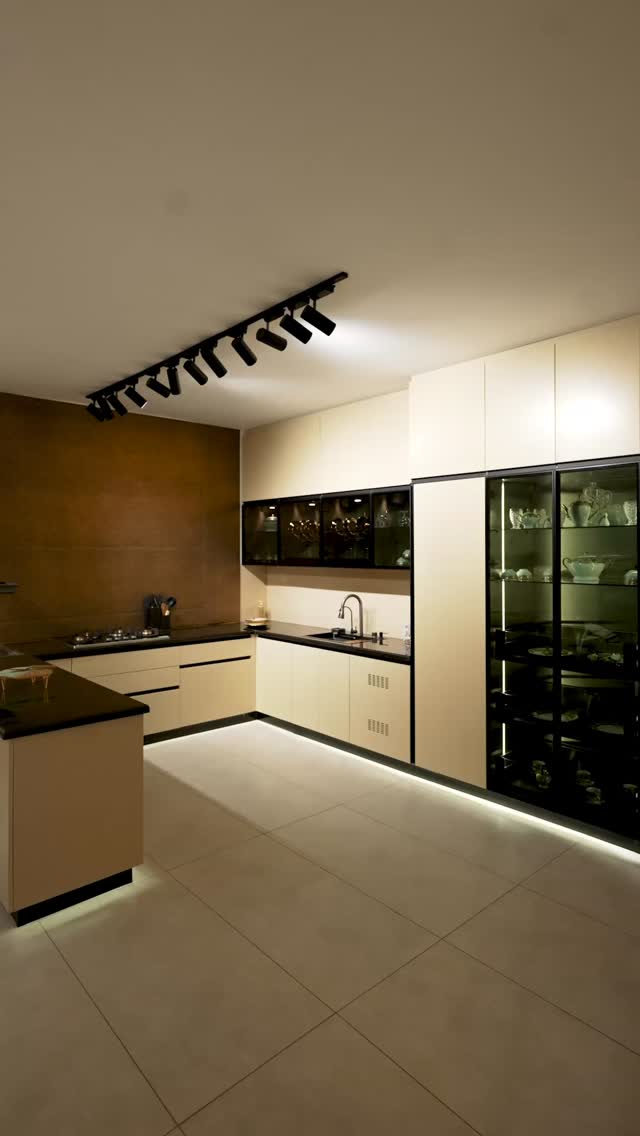
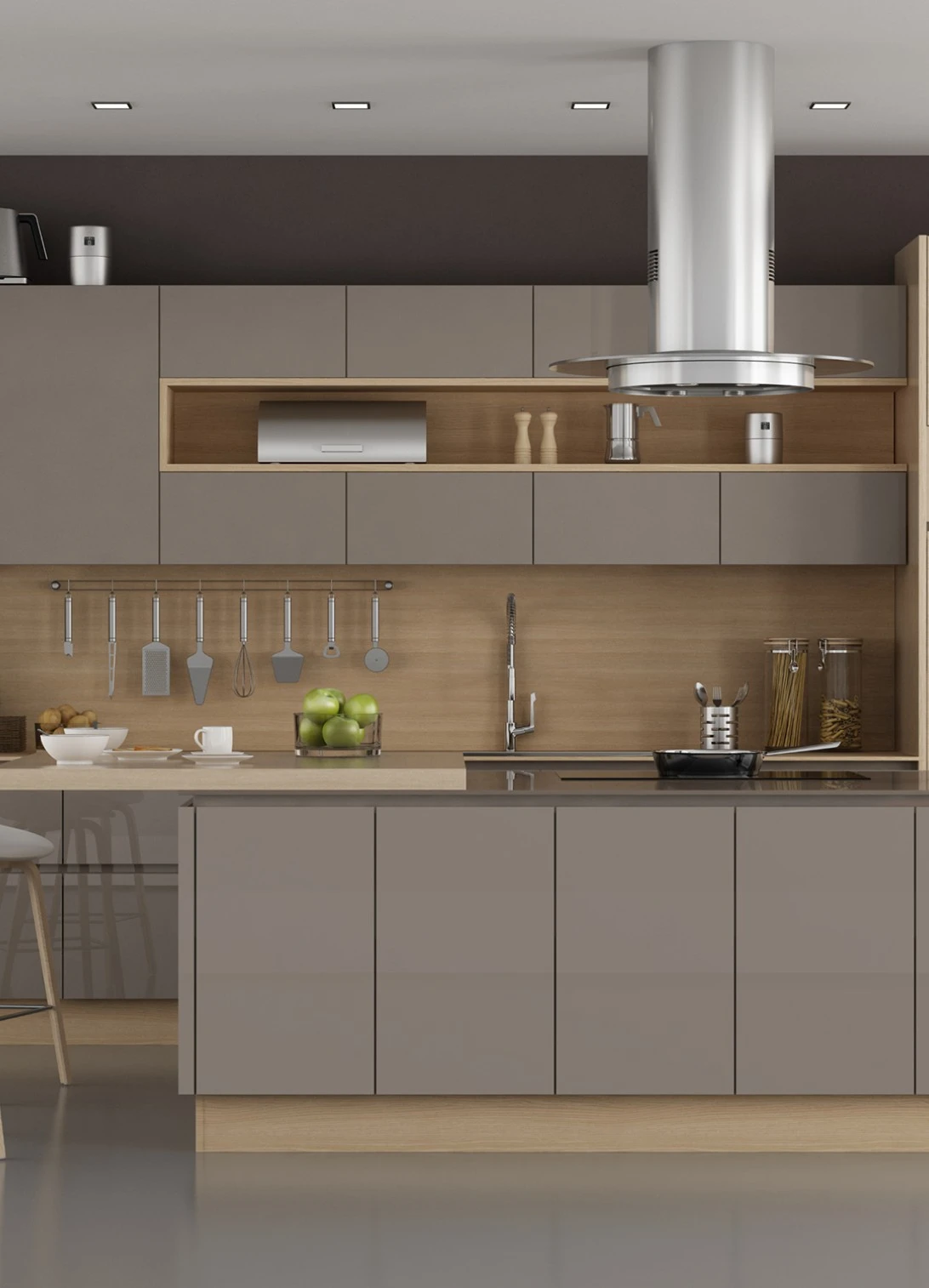
An open kitchen is one where the cooking space is directly connected to the dining or living area, with no wall or partition separating them. The kitchen becomes part of the larger communal space — visible, accessible, and socially integrated. This design is common in modern apartments and is heavily featured in interior design media.
Open kitchens typically give the impression of more space, allow hosts to cook while engaging with guests, and make the home feel more expansive and connected. They work particularly well in apartments with limited square footage, where removing a wall between the kitchen and living area can dramatically change how the home feels.
What Is a Closed Kitchen Layout?
A closed kitchen is a dedicated, enclosed room with walls and a door — separated from the rest of the living area. This was the dominant kitchen design in Indian homes for decades and remains highly practical for many households.
A closed kitchen contains smells, noise, and mess within a defined space. It allows the rest of the home to remain pristine even when cooking is in full swing. It also provides privacy — useful in households with domestic staff — and can accommodate heavier-duty cooking that would be impractical in an open layout.
The Honest Pros and Cons of Open Kitchens
Open kitchens come with genuine appeal — but also real limitations that are often glossed over in design magazines.
- Pro: Creates a sense of space and connection between cooking and living areas
- Pro: Hosts can cook while entertaining guests, maintaining social engagement
- Pro: Better natural light distribution across the combined space
- Con: Cooking odours, smoke, and steam spread throughout the living area
- Con: Kitchen clutter and dishes are always visible to guests
- Con: Noise from cooking, utensils, and appliances disrupts conversations or TV
- Con: Requires consistently higher maintenance standards
The Honest Pros and Cons of Closed Kitchens
The closed kitchen gets less glamorous press coverage, but its advantages are genuinely significant for many Indian households.
- Pro: Odours and steam are fully contained — essential for heavy Indian cooking
- Pro: The rest of the home remains clean and presentable regardless of kitchen state
- Pro: Privacy for domestic help without compromising living area
- Pro: Better acoustics — cooking noise stays in the kitchen
- Con: Can feel smaller and more isolated
- Con: Less natural light typically reaches the kitchen
- Con: The cook is separated from family or guests during meal preparation
The Indian Context: Why This Choice Is Complicated
Indian cooking is, by its nature, aromatic and intense. Tempering spices in hot oil, making curries that simmer for hours, deep frying — these are all culinary activities that produce significant smoke, steam, and smell. In a Western kitchen context where most cooking is relatively neutral, open kitchens work beautifully. In an Indian kitchen, the same openness can make the entire home smell like last night’s dinner.
“A powerful chimney can help, but it cannot fully replicate what a wall and a door can do for containing the character of Indian cooking.”
This is why many Lucknow homeowners, even those who are drawn to the aesthetics of open kitchens, ultimately choose a closed or semi-open configuration. It’s a pragmatic decision that prioritises liveability over visual openness.
The Semi-Open Middle Ground
A growing number of homeowners in Lucknow are opting for a semi-open kitchen — a hybrid that captures some of the social benefits of an open plan while retaining practical separation. This typically means a partial wall or breakfast counter separating the kitchen from the dining area, or a wide pass-through opening with a shutter or glass panel that can be closed when needed.
Steelax designs many semi-open kitchen configurations that blend beautifully with the adjoining living space while maintaining functional separation. The result is a kitchen that feels modern and connected without the downsides that come with full openness. If you’re on the fence, this middle-ground approach is worth exploring with a designer.