
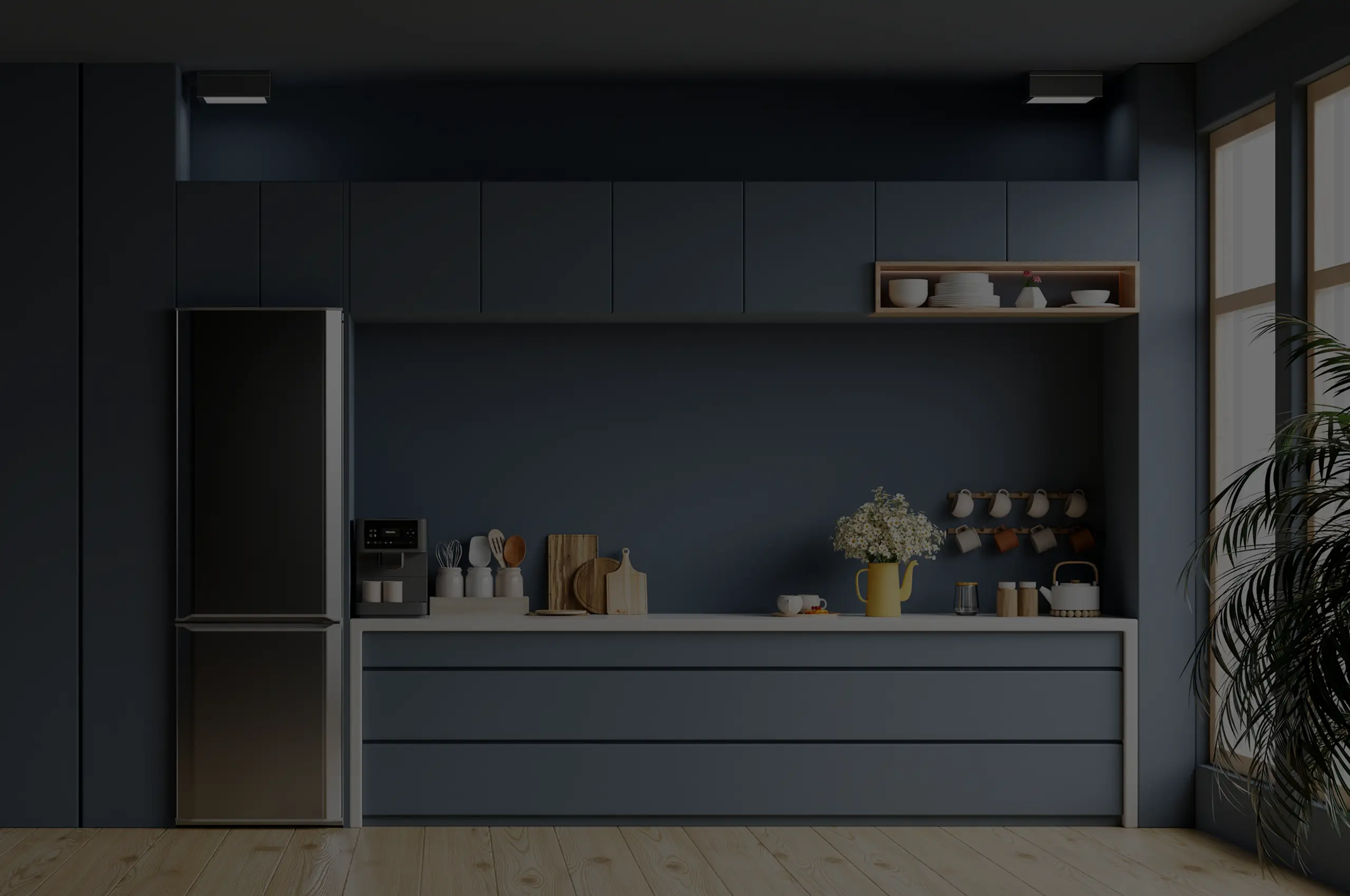
The hdhmr vs plywood debate usually starts with a sample board in a showroom. The harder questions arrive later: What happens under the sink after a slow leak? What happens to a wood-based core during repeated humid months? How well does the cabinet hold hardware after years of opening, closing and heavy storage? Those are the questions that decide how long a kitchen feels dependable.
Plywood, HDHMR, PVC, aluminium and steel can all be used to build kitchen cabinetry, but they solve different problems and fail in different ways. The useful comparison is not which material wins every category. It is which material is least vulnerable to the conditions in your kitchen, at a budget you are comfortable with.
Table of Contents
Why kitchen materials give up early in Indian homes
A kitchen cabinet lives in a tougher environment than a bedroom wardrobe. Steam rises every day. The sink cabinet can face dripping bottles, plumbing seepage and cleaning water. Base units sit close to the floor, where mopping adds moisture. Heavy utensils load drawers repeatedly. Cooking grease settles into corners and hardware is opened far more often than people notice.
Material problems usually become visible at the weakest point. In a wood-based cabinet it may be swelling at an exposed edge, a loose screw or termite activity in the core. In a metal cabinet it may be an unsuitable grade, poor finishing or weak hardware fixing. PVC and aluminium avoid some moisture and termite concerns but bring their own questions about rigidity, finish, heat exposure and hardware support.
That is why a material name on its own is not enough. Ask what grade is being used, how panels are constructed, how edges and joints are handled, how hardware is fixed and which material is used specifically around the sink.

HDHMR and plywood in daily use
Plywood is familiar, widely available and easy for carpenters to work with. Its performance depends heavily on the plywood grade, adhesive quality, edge sealing and laminate or finish applied around it. Good plywood can serve a kitchen well, but the core remains wood-based. If water reaches unprotected layers repeatedly, the risk of swelling or delamination rises. Termites are another concern because the material contains cellulose-based content.
HDHMR is a dense engineered board made to handle moisture better than ordinary MDF. It offers a smooth factory surface and can work well with laminates, acrylic and other finishes. The word moisture-resistant matters here. It should not be read as permission to ignore plumbing leaks or wet edges. A prolonged water problem can still damage a wood-fibre board, especially at cutouts and exposed points.
Between HDHMR and plywood, workmanship often matters as much as the label. A well-made cabinet with protected edges and properly installed hardware can outperform a poorly fabricated cabinet made from a more expensive board. Ask to see the actual board specification on the quote rather than accepting a broad term such as “premium ply.”
If your home has a history of termites or recurring dampness, treat that history as part of the design brief. Do not assume the next treatment or the next board grade will remove the underlying exposure.
Are PVC and aluminium kitchens really waterproof?
PVC boards do not absorb water in the way a wood-fibre core does, and termites do not feed on PVC. That makes the material attractive for wet locations. The questions shift to panel rigidity, heat behaviour, hardware fixing and the quality of the board used. A low-density or poorly supported panel can feel different under a heavy countertop or large shutter than a more rigid cabinet system.
Aluminium is also unaffected by termites and handles water well. It is light and commonly used in frame-and-panel systems. The experience depends on the extrusion quality, joints, shutter construction and finish. Some homeowners like its clean, technical character. Others want a broader choice of colours and warmer surface effects.
For a wet utility area, PVC or aluminium may solve the core moisture concern at a lower entry point than premium stainless steel. For a full kitchen, compare how the shutters feel, how drawers are supported and how easily the finish can be repaired or refreshed later.

What changes with a steel kitchen
Steel removes the wood core from the cabinet structure. Water does not make a steel panel swell, and termites have no cellulose core to feed on. That directly addresses two of the most common reasons families consider replacing an older kitchen.
The specification still matters. Steelax uses Jindal stainless steel at 0.8 mm in its system, with 304, 202 and GI selected zone by zone. The sink cabinet uses 304 stainless steel because it faces the highest moisture exposure. Panels use a dual-sheet 18 mm construction with a rubber insulation core, along with double riveting and stainless steel insert nuts. The insulation is there in part to give the panel a quieter, more solid feel than a thin hollow metal shutter.
Finish choice is broader than many homeowners expect from steel. Steelax’s in-house PU paint line offers more than 500 colours and finishes, including matte, glossy, metallic, textured and wood-look surfaces using Axalta and ICA systems. This means the decision does not have to be between durability and a warm residential look.
Steel also has trade-offs. The upfront cost can be higher than common wood-based cabinetry. A hard impact can dent a metal shutter, depending on the panel construction and force. Repairs require the right fabrication and finishing skill rather than a local carpenter with a sheet of laminate. Those points belong in the decision, not hidden after it.
Kitchen material comparison table
Use this table as a first screening tool. The exact result depends on grade and workmanship, so ask for the written specification behind every row.
| Material | Moisture behaviour | Termite concern | Structural feel and hardware | Price position from Steelax planning reference | Best question to ask before buying |
| Plywood | Depends on grade, sealing and leak exposure | Wood core can be vulnerable | Good when board and fixing are sound | Carpenter reference about ₹1.25 lakh for 80 sq ft | Which plywood grade and edge treatment are written into the quote? |
| HDHMR/MDF factory system | Better moisture resistance than ordinary MDF, but not immune to prolonged water | Wood-fibre core can still be vulnerable | Dense, smooth factory panel | About ₹2.5 lakh for 80 sq ft reference | How are sink cutouts, edges and wet zones protected? |
| PVC | Does not swell like wood-based board | Termites do not feed on PVC | Varies with board density and hardware fixing | Varies by product and supplier | What board density and reinforcement are used for shutters and heavy drawers? |
| Aluminium | Handles water well | No wood core for termites | Light, depends on extrusion and joint quality | Varies by system | How are joints, shutter panels and hardware connections built? |
| GI steel | Does not swell; finish and corrosion protection matter | No wood core for termites | Rigid metal system when engineered well | About ₹3.2 lakh for 80 sq ft reference | Which zones use GI and how are edges and finishes protected? |
| 202 stainless steel | Does not swell; grade choice matters by zone | No wood core for termites | Strong cabinet option with correct fabrication | About ₹4 lakh for 80 sq ft reference | Where is 202 being used and what grade is used under the sink? |
| 304 stainless steel | Strong choice for wet zones | No wood core for termites | High material confidence for moisture-prone cabinets | About ₹5.5 lakh for 80 sq ft reference | Is 304 used throughout or only where the project needs it? |
The table also shows why a single “best material” answer can be misleading. Some homes need maximum resistance around the sink but can use a more economical system elsewhere. Others have a repeated termite history and want no wood-based core in any cabinet. The right design can mix specifications by zone rather than using the most expensive material everywhere.
Matching the material to your home and budget
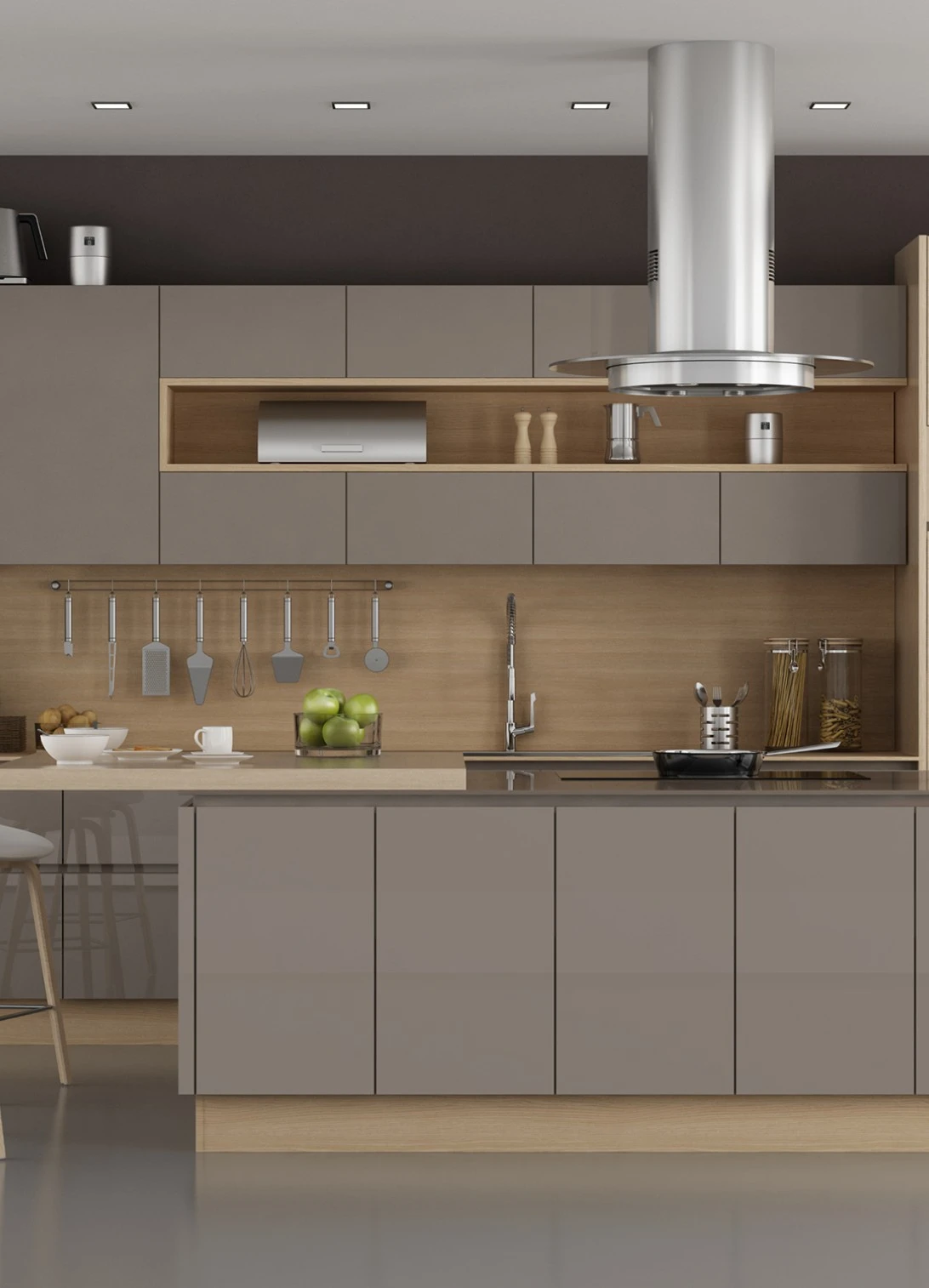
Start with the failure you most want to avoid. If your current kitchen has swollen near the sink, give moisture performance extra weight. If you have paid for termite treatment more than once, the absence of a wood core may matter more than a small difference in finish cost. If you are moving into a short-term rental, a simpler material may make better financial sense.
Next, look at how long you plan to keep the kitchen. A lower upfront price is useful only if the cabinet stays acceptable for the period you expect to use it. At the same time, a higher-priced material should earn that cost through a specification you can see: better grade, stronger construction, reliable hardware and a finish you will still like years later.
Then compare complete quotations. Match cabinet area, shutter finish, hardware, accessories, countertop scope, installation and taxes. Steelax works with hardware from brands such as Hettich, Hafele, Blum, Laranza and Ozone, but a brand name still needs a model or series on the final schedule if it affects price.
If material samples are beginning to blur together, go back to real use. Open a full-size drawer. Look at the inside of the sink cabinet. Ask how a hinge is fixed. Check the back panel and corners. Those details tell you far more than a small finish chip.
Steelax has installed more than 500 kitchens and 1,000 wardrobes across more than 15 cities, with experience centres in Lucknow where families can handle the panels and finishes before ordering. If your decision is mainly about moisture, termites or long-term cabinet structure, seeing the materials side by side is worth the visit.
Frequently asked questions
HDHMR vs plywood: which is better for an Indian kitchen?
Both can work when specified and fabricated well. Plywood is familiar and repairable, while HDHMR offers a dense factory surface and improved moisture resistance compared with ordinary MDF. Neither removes the wood-based core, so leaks, edge protection and termite history still matter. Compare grade, edge treatment and hardware fixing rather than the material name alone.
Is PVC kitchen cabinetry completely waterproof?
PVC does not absorb water like wood-based board, so swelling is not the usual concern. Still, the complete kitchen is not immune to water damage. Plumbing, hardware, walls, floors and electrical points can all be affected by leaks. Check board density, reinforcement and hardware support before choosing a full PVC system.
Is aluminium better than steel for kitchen cabinets?
Both avoid a wood core and handle wet conditions well. Aluminium is lighter and often used in frame systems. Steel can provide a more substantial cabinet structure and, with the right finishing process, a wide range of residential looks. Compare the actual panel construction, joints, hardware and price rather than the metal name alone.
Why does Steelax use different steel grades in one kitchen?
Different zones face different exposure. Steelax uses 304 stainless steel in the sink cabinet, where moisture risk is highest, and can use 202 or GI in other areas according to the design. This keeps the specification focused on performance instead of applying the highest-cost grade everywhere by default.
What are the disadvantages of a steel kitchen?
The upfront price can be higher than common wood-based systems, and hard impacts can dent metal panels. Repairs also need suitable fabrication and finishing skill. The quality of the result depends on steel grade, panel engineering, hardware fixing and finish quality, so the written specification still matters.
How should I compare kitchen materials before buying?
Ask every vendor to quote the same cabinet plan. Then compare core material, grade, panel construction, hardware, sink-zone specification, finish, accessories, installation and warranty terms. If you can, inspect full-size cabinets rather than relying only on sample boards. The feel of drawers, corners and shutters reveals a great deal.
If you want to compare these materials in person, the Steelax team can show you wood-based references, steel grades and finished panels at its Lucknow experience centres before you make the final call.

[…] your paperwork names only the finish, ask the supplier to identify the board underneath. Our cabinet material guide offers a broader comparison. For now, focus on the specification of the damaged unit so any […]
[…] your paperwork names only the finish, ask the supplier to identify the board underneath. Our cabinet material guide offers a broader comparison. For now, focus on the specification of the damaged unit so any […]
[…] claim, check the specified material and its protection around plumbing openings and edges. Our kitchen cabinet material guide explains the alternatives in more […]