

The new cabinets are the enjoyable part of a kitchen renovation. The difficult part is imagining the room emptied, workers arriving and meals somehow continuing around the work. A clear sequence helps you see which decisions can be settled beforehand and which parts will affect your daily routine.
Start by planning the entire job, including the supporting trades and old-unit removal. A cabinet installation date is only one milestone. The room also needs working plumbing, electrical connections, countertops and appliances before you can return to normal cooking.
Table of Contents
- Kitchen renovation inspection: deciding what stays
- Old kitchen removal and disposal during renovation
- Plumbing and electrical work in a kitchen renovation
- Coordinating new kitchen cabinet installation
- Build the kitchen renovation timeline around dependencies
- Cooking at home during kitchen renovation
- Kitchen renovation and old-unit removal: FAQs
Kitchen renovation inspection: deciding what stays
A site visit should establish the room dimensions and examine the existing arrangement. Discuss any recurring leaks, damaged cabinets and changes you want to make to the cooking layout. Some concerns will need attention before the new units are fitted.
Decide which appliances, countertops or fittings you intend to retain. Their suitability and dimensions should be checked rather than assumed. Reusing an item may affect the layout or installation sequence, so bring that decision into the initial kitchen renovation discussion.
Ask for a quotation that separates cabinet work from other tasks. Our quotation guide explains the inclusions worth checking. A defined scope helps you see which contractors need to be appointed and who coordinates the handoffs.

Old kitchen removal and disposal during renovation
Before dismantling begins, identify who removes the cabinets and who takes the material away. These can be separate responsibilities. The agreement should also address retained items, temporary storage and the condition in which the room is left for the next trade.
Do not assume that disposal is included simply because new cabinets are being supplied. Ask Steelax to confirm the removal and disposal scope for your site in writing. Building access, lift rules and transport arrangements can affect how the work is organised.
Pack the contents before the agreed removal date, keeping everyday utensils accessible elsewhere. If a countertop or appliance is to be reused, discuss its removal with the relevant installer. Its condition after dismantling cannot be assumed in advance.
Plumbing and electrical work in a kitchen renovation
Civil, plumbing and electrical changes should follow the approved layout. Appliance details matter here because power points, clearances and ventilation need to match the selected models. Changing an appliance late can affect both the cabinetry and the work already completed.
The site team should confirm what must be finished before cabinets arrive. That may include surfaces, connection points and access arrangements. Ask who inspects readiness and how unfinished work affects delivery or fitting.
If you need help deciding the cabinet material, our material comparison provides context. Our designers can also review the proposed arrangement with you before production, reducing avoidable changes during the kitchen renovation construction stage.

Coordinating new kitchen cabinet installation
Steelax manufactures its cabinets in-house and uses an in-house installation team. Factory preparation moves cabinet production away from your home, but fitting still requires access, alignment and coordination with the other parts of the kitchen.
The countertop, sink and appliances should be scheduled according to the agreed installation sequence. Keep access available to the relevant contractors. A room filled with delivered cartons can become difficult to work in if their placement is not planned.
At handover, try the shutters and drawers, check access to the fittings and review any remaining items with the team. Keep a written record of work awaiting completion. A cabinet delivery should not be mistaken for a completed, usable kitchen.

Build the kitchen renovation timeline around dependencies
The duration depends on the site and scope. Removing cabinets without changing services is a different project from shifting plumbing and rebuilding surfaces. Request stage-wise dates after inspection, including the conditions that need to be met before each stage begins.
Stage | What should be settled before it proceeds |
|---|---|
Design approval | Layout, materials and retained items |
Dismantling | Removal responsibility and temporary arrangements |
Supporting trades | Approved locations and appliance information |
Cabinet fitting | Site readiness and delivery access |
Final handover | Working fittings and resolved pending items |
Ask which tasks can overlap and which cannot. Do not rely on an overall number of days without knowing when the kitchen becomes unavailable. Our separate order-to-installation guide addresses cabinet delivery planning; the renovation schedule must also account for the existing room.
Keep the agreed schedule accessible to the household and relevant contractors. Review any change against both the handover date and the meals you have planned.
Cooking at home during kitchen renovation
For an occupied home, discuss the days when the kitchen cannot safely be used. Set aside essential utensils and arrange meals accordingly. If an alternative preparation area is proposed, have any appliance use and connections checked by the relevant installer rather than improvising them around active work.
Keep food storage and household access away from dust and construction activity. Consider family members who need quieter areas and ensure the work zone is kept separate. Renovating one room at a time may help preserve the rest of the home’s routine.
Read our renovation mistakes guide before finalising the plan. If you would like help organising your kitchen renovation, request a consultation with Steelax. We can review the site scope and identify the decisions needed before work starts.
Kitchen renovation and old-unit removal: FAQs
Can the old kitchen be removed and the new one fitted in a few days?
It depends on site readiness and the scope of supporting work. Ask for an inspected, stage-wise schedule. A short cabinet-fitting period does not describe the entire renovation.
Can I keep cooking at home during renovation?
Possibly outside the active work area, with suitable arrangements. Confirm when the kitchen will be unavailable and arrange meals in advance. Avoid assuming normal cooking can continue during removal or installation.
Does Steelax take away the old kitchen material?
Removal and disposal must be confirmed for your project. Ask for written clarification of who dismantles, transports and disposes of the old units, and whether those services are included.
What should I check at handover?
Try the doors and drawers, review the completed installation and record pending work. Confirm that the relevant contractors have completed the services needed for a working kitchen.
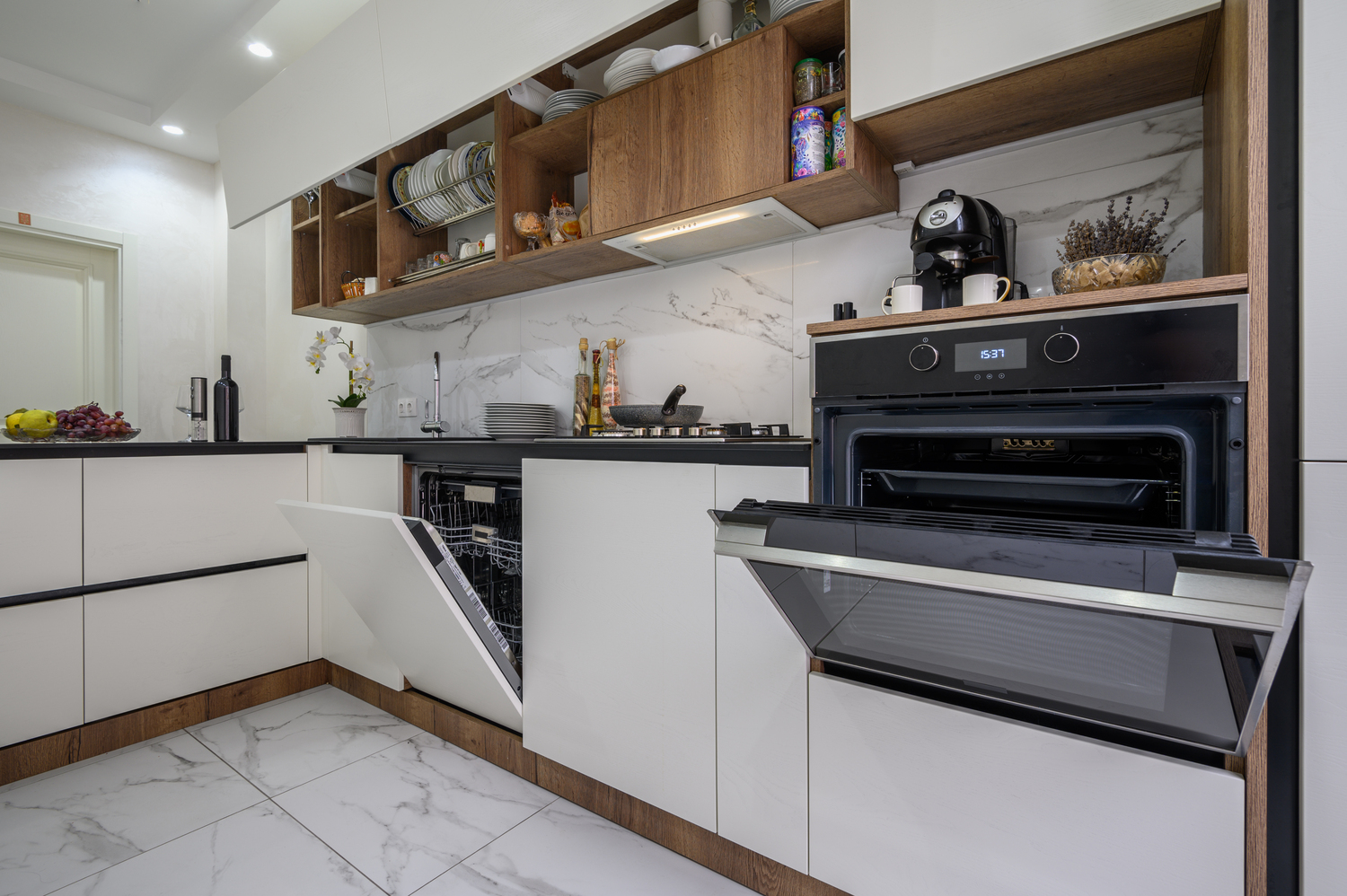


[…] an existing kitchen, removal and supporting repairs add their own requirements. Those belong in the renovation process, rather than being hidden inside a cabinet delivery […]
[…] an existing kitchen, removal and supporting repairs add their own requirements. Those belong in the renovation process, rather than being hidden inside a cabinet delivery […]