
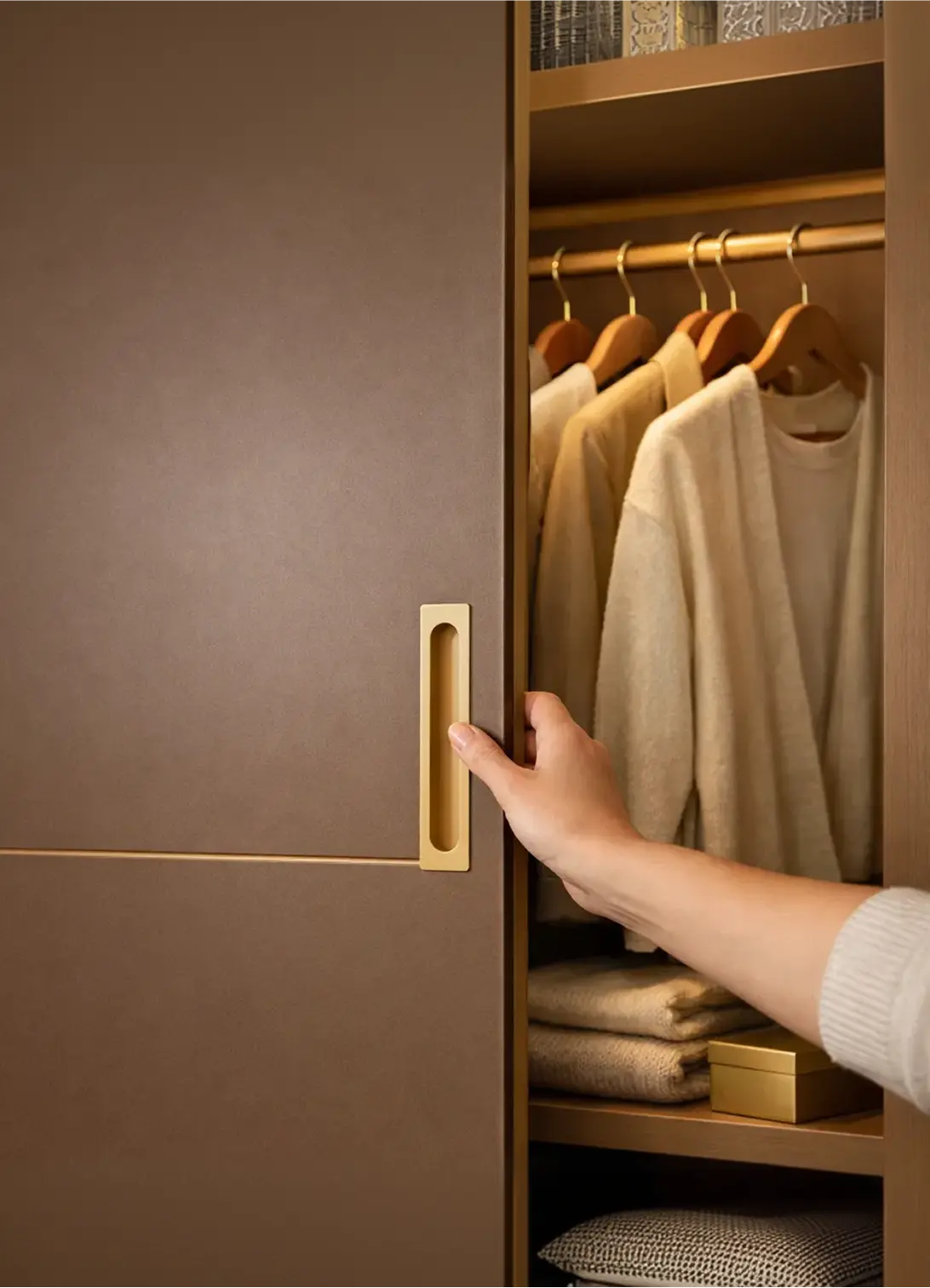
Indian homes are evolving rapidly. Changing lifestyles, smaller family units, apartment living, and higher expectations from interior spaces have altered how homeowners think about materials. Interiors are no longer viewed as short-term décor decisions but as long-term systems that must perform reliably under daily stress. In this shift, stainless steel is emerging as a material that aligns naturally with the future of Indian home interiors.
Once limited to commercial kitchens and industrial use, stainless steel has undergone a quiet transformation. Today, it is redefining residential interiors through improved engineering, refined finishes, and thoughtful design integration. Its rise is not driven by trend alone, but by practicality, longevity, and adaptability to Indian living conditions.
Table of Contents
- Designed for Indian Climate and Usage Patterns
- A Material Built for Hygiene and Health
- Longevity That Matches Modern Investment Thinking
- Evolution of Design and Aesthetic Versatility
- Sustainability and Responsible Material Choices
- Redefining Expectations of Modern Living Spaces
Designed for Indian Climate and Usage Patterns
Indian homes operate in environments that are particularly demanding for interior materials. High humidity levels, seasonal temperature swings, heavy daily usage, and frequent cleaning are realities across most regions. Traditional materials such as wood-based boards struggle to maintain their integrity under these conditions over long periods.
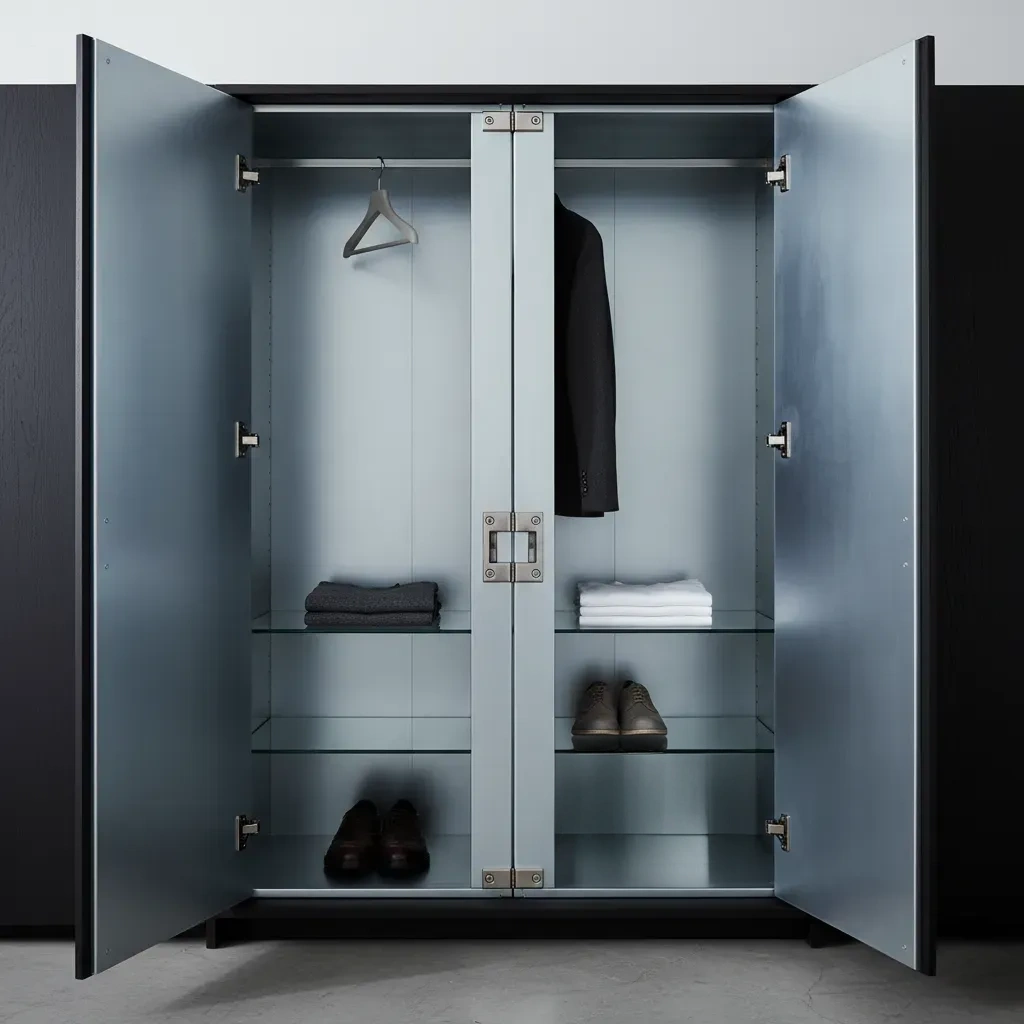
Stainless steel thrives in precisely these environments. It does not absorb moisture, swell, or deteriorate due to humidity. Heat from cooking does not compromise its structure, and exposure to steam or water does not lead to long-term damage. This makes steel especially suited for kitchens, utility areas, wardrobes, and storage units that experience constant interaction.
As Indian homes increasingly prioritise functionality alongside aesthetics, materials that remain stable regardless of climate or usage naturally move to the forefront. Steel’s consistency gives homeowners confidence that their interiors will behave the same way year after year.
A Material Built for Hygiene and Health
Health awareness has become central to home design decisions. Kitchens and storage spaces are no longer judged only by appearance but also by how hygienic they remain over time. Wood-based materials often develop micro-cracks, absorb moisture, and create conditions that allow bacteria, fungus, or pests to thrive invisibly.
Stainless steel offers a fundamentally different advantage. Its non-porous surface does not trap moisture or contaminants. It is easy to clean thoroughly and does not degrade internally. This makes steel interiors inherently more hygienic, particularly in food preparation zones and storage areas.
In homes with children, elderly family members, or allergy concerns, this hygiene factor becomes especially important. Steel supports a cleaner living environment without requiring specialised maintenance routines or chemical treatments.
Longevity That Matches Modern Investment Thinking
Home interiors represent a significant financial investment. Modern homeowners increasingly expect long-term value rather than short-term visual appeal. Renovation cycles are becoming longer, and frequent replacements are seen as inefficient and disruptive.
Stainless steel aligns perfectly with this mindset. Properly engineered steel interiors are designed to last decades with minimal intervention. They do not suffer from termite damage, internal decay, or structural weakening. Hardware remains securely anchored, and cabinet integrity stays intact even after prolonged use.
This longevity changes the economics of interiors. While steel may carry a higher initial cost, it dramatically reduces lifetime expenses related to repairs, replacements, and upgrades. For homeowners planning to stay in their homes long term, steel represents a rational and future-ready choice.
Evolution of Design and Aesthetic Versatility
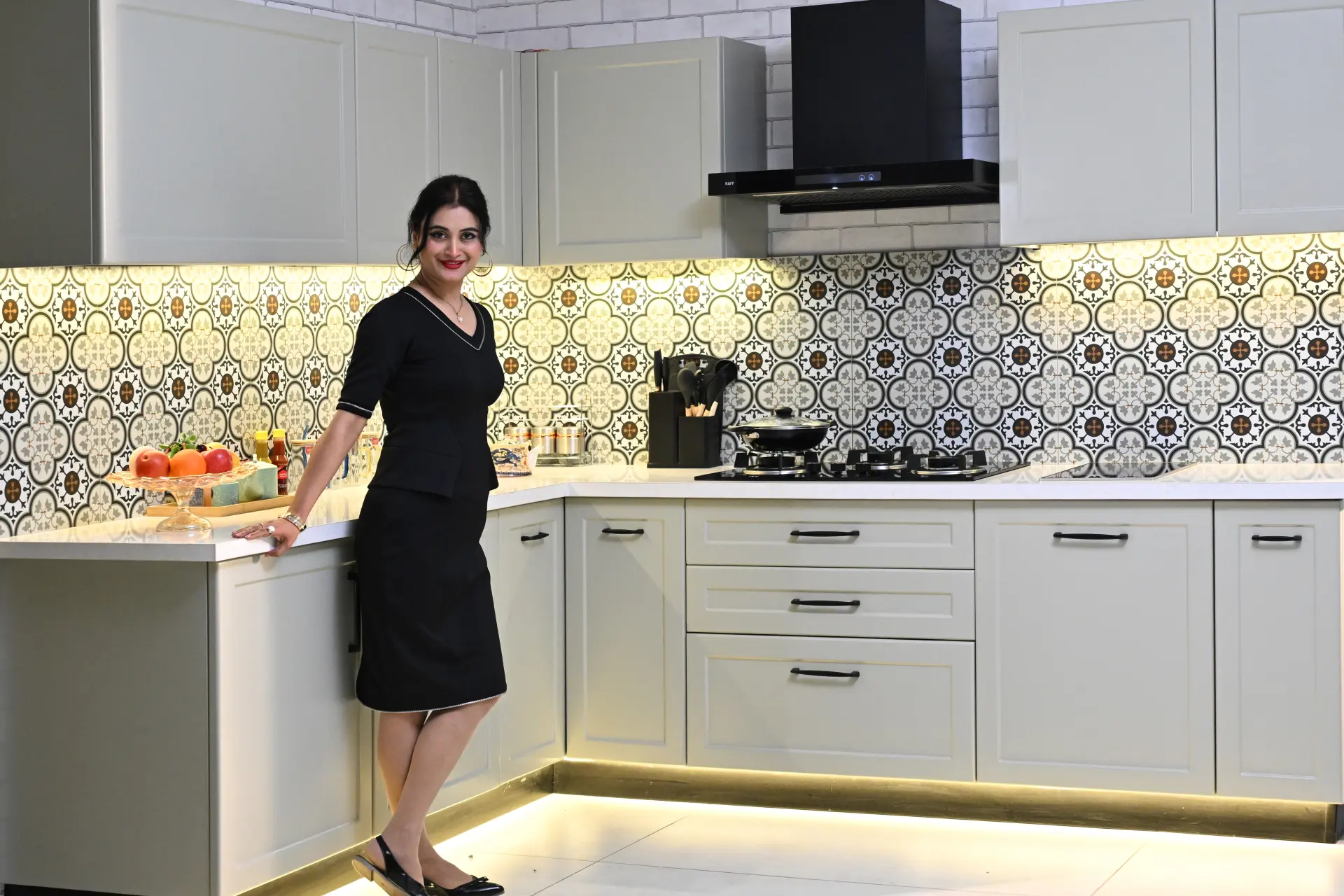
One of the biggest shifts enabling steel’s rise in residential interiors is its aesthetic evolution. Earlier perceptions of steel as cold or industrial are no longer accurate. Advances in finishing technology have expanded steel’s design potential significantly.
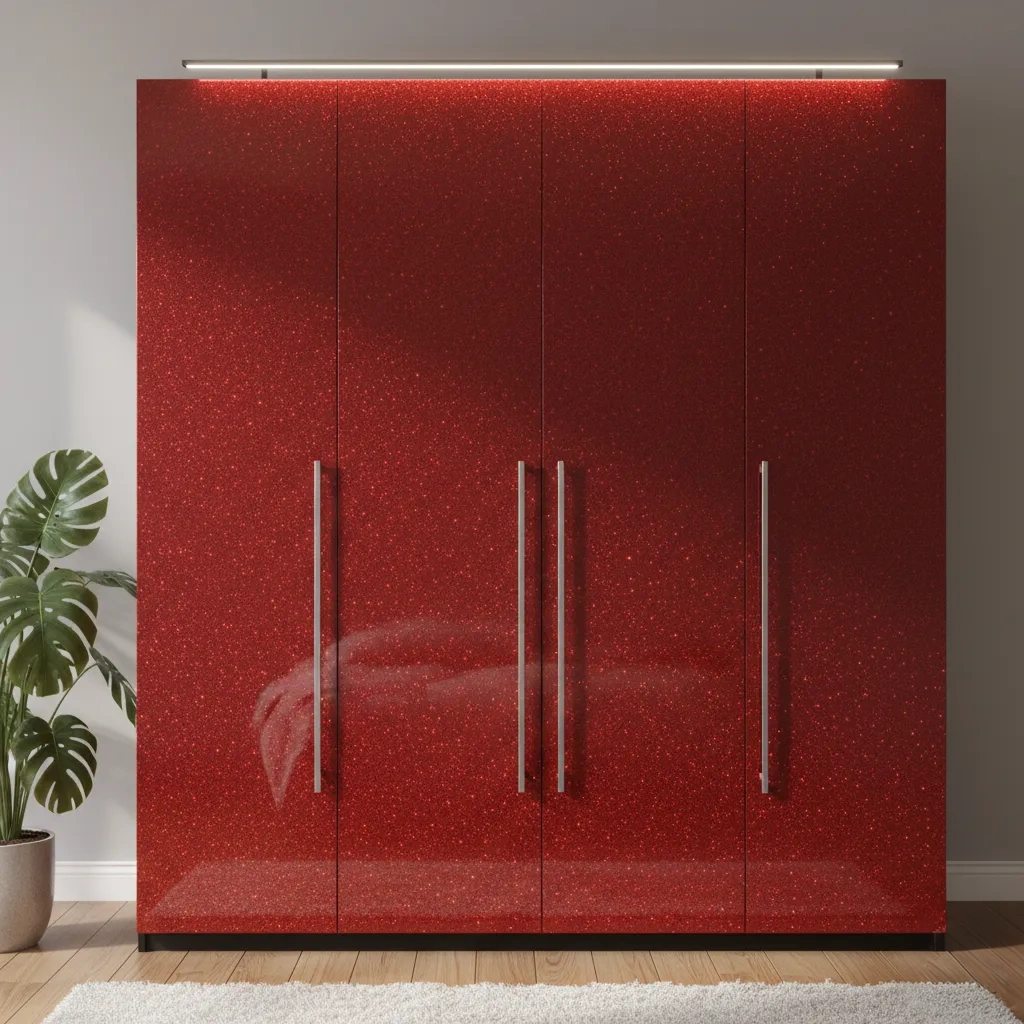
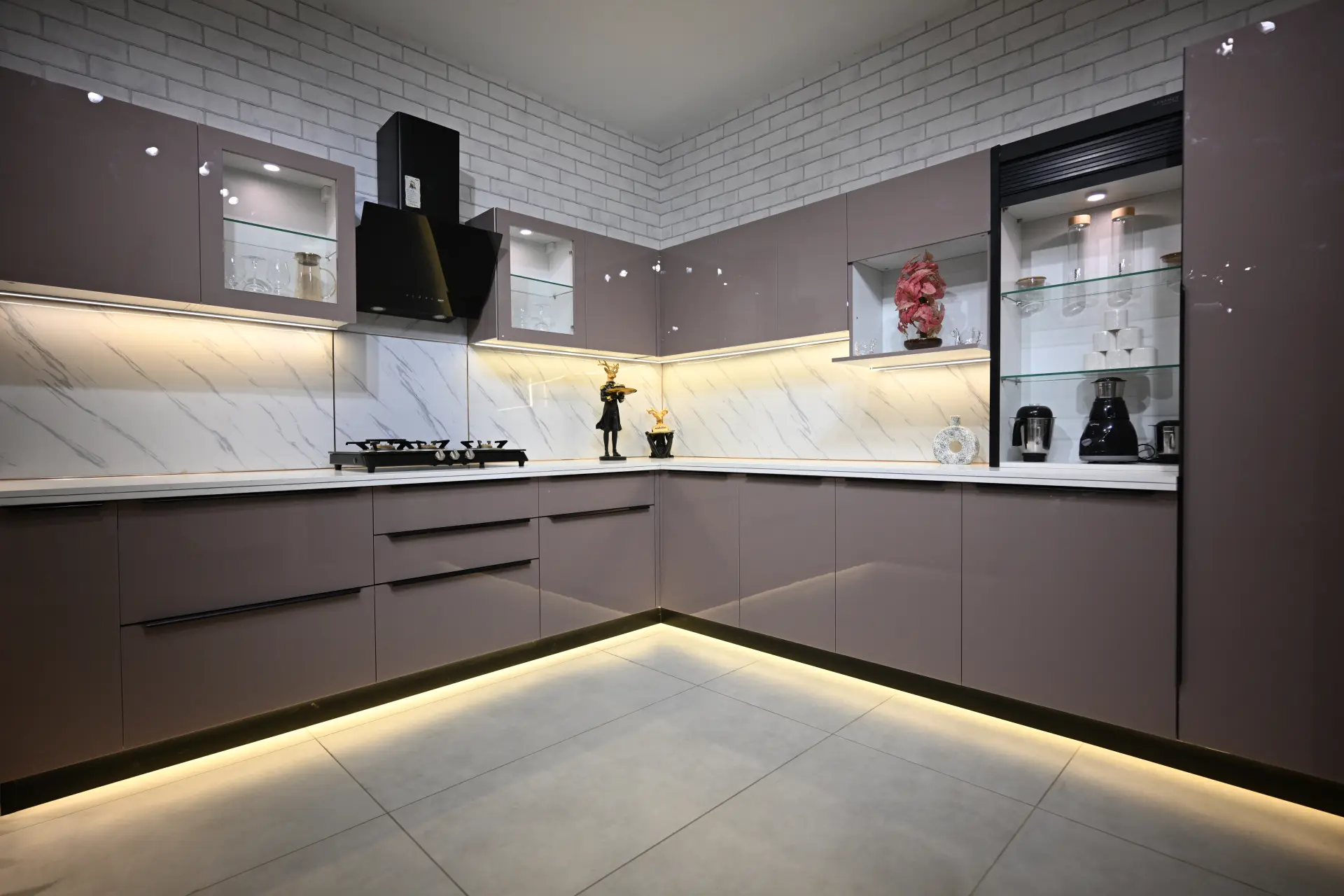
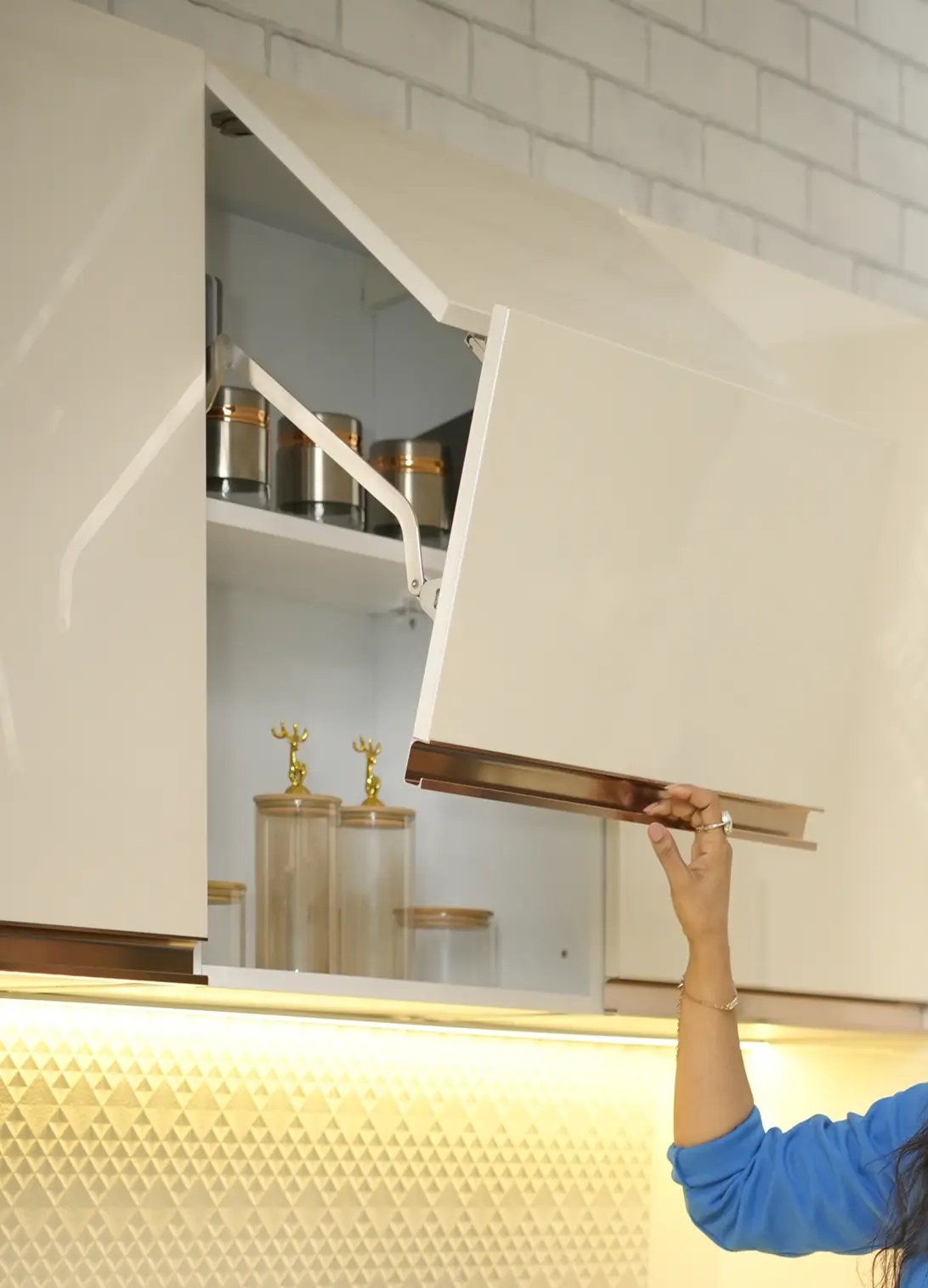
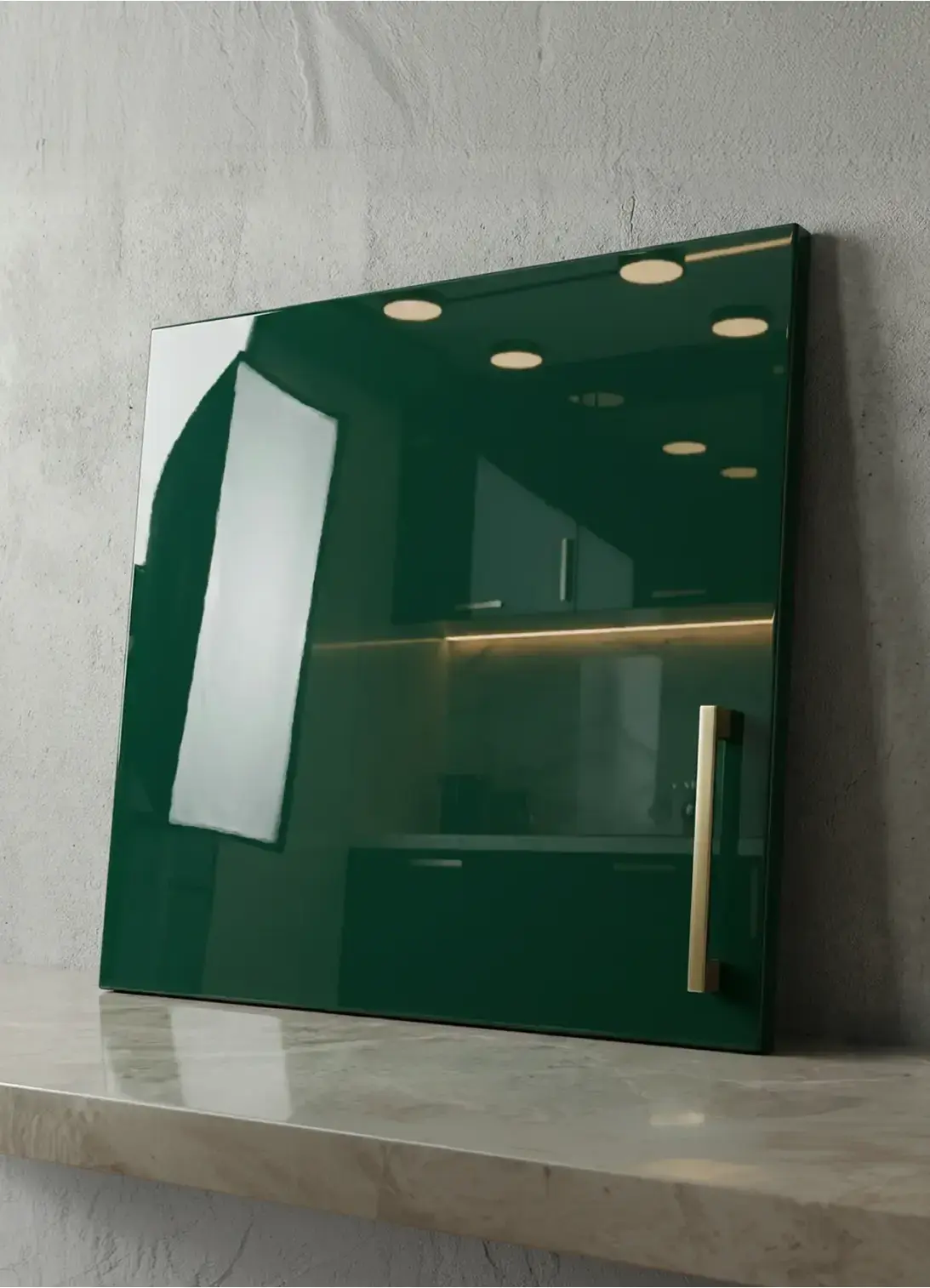
Modern steel interiors are available in a wide spectrum of colours, textures, and surface styles. Matte finishes, textured coatings, high-gloss PU surfaces, and subtle metallic tones allow steel to blend seamlessly into diverse interior themes. From contemporary minimalism to rich, premium layouts, steel adapts without compromising its core strength.
Design flexibility also extends to modularity. Steel cabinets can be precision-manufactured, reconfigured, and serviced easily. This adaptability supports changing family needs, layout modifications, and future upgrades without structural compromise.
Sustainability and Responsible Material Choices
Sustainability is becoming an important consideration in home construction and interiors. Homeowners are increasingly aware of the environmental impact of materials used within their living spaces.
Stainless steel is a recyclable material with a long usable life. Unlike wood-based boards that rely heavily on adhesives, chemical treatments, and composite layers, steel maintains its integrity without releasing harmful substances over time. A long-lasting interior also reduces the need for frequent renovations, lowering material waste and resource consumption.
As Indian cities grow denser and sustainability concerns intensify, materials that support responsible building practices will naturally gain preference. Steel’s durability and recyclability position it well within this future-focused approach.
Redefining Expectations of Modern Living Spaces
The future of Indian home interiors is defined by reliability, adaptability, and thoughtful engineering. Homeowners want spaces that support their lifestyles without constant attention or repair. Stainless steel delivers on this expectation by offering predictability and peace of mind.
Its ability to perform consistently across kitchens, wardrobes, storage units, and functional furniture makes it a holistic interior solution rather than a category-specific material. As design innovation continues to enhance its visual appeal, steel bridges the gap between performance and aesthetics.
Ultimately, stainless steel represents a shift in how homes are built and experienced. It reflects a move away from fragile, maintenance-heavy materials toward interiors that quietly endure. In this sense, steel is not just the future of Indian home interiors. It is a practical response to how Indian homes are actually lived in.
I look forward to seeing how these developments will improve service levels and customer satisfaction in the freight industry!