
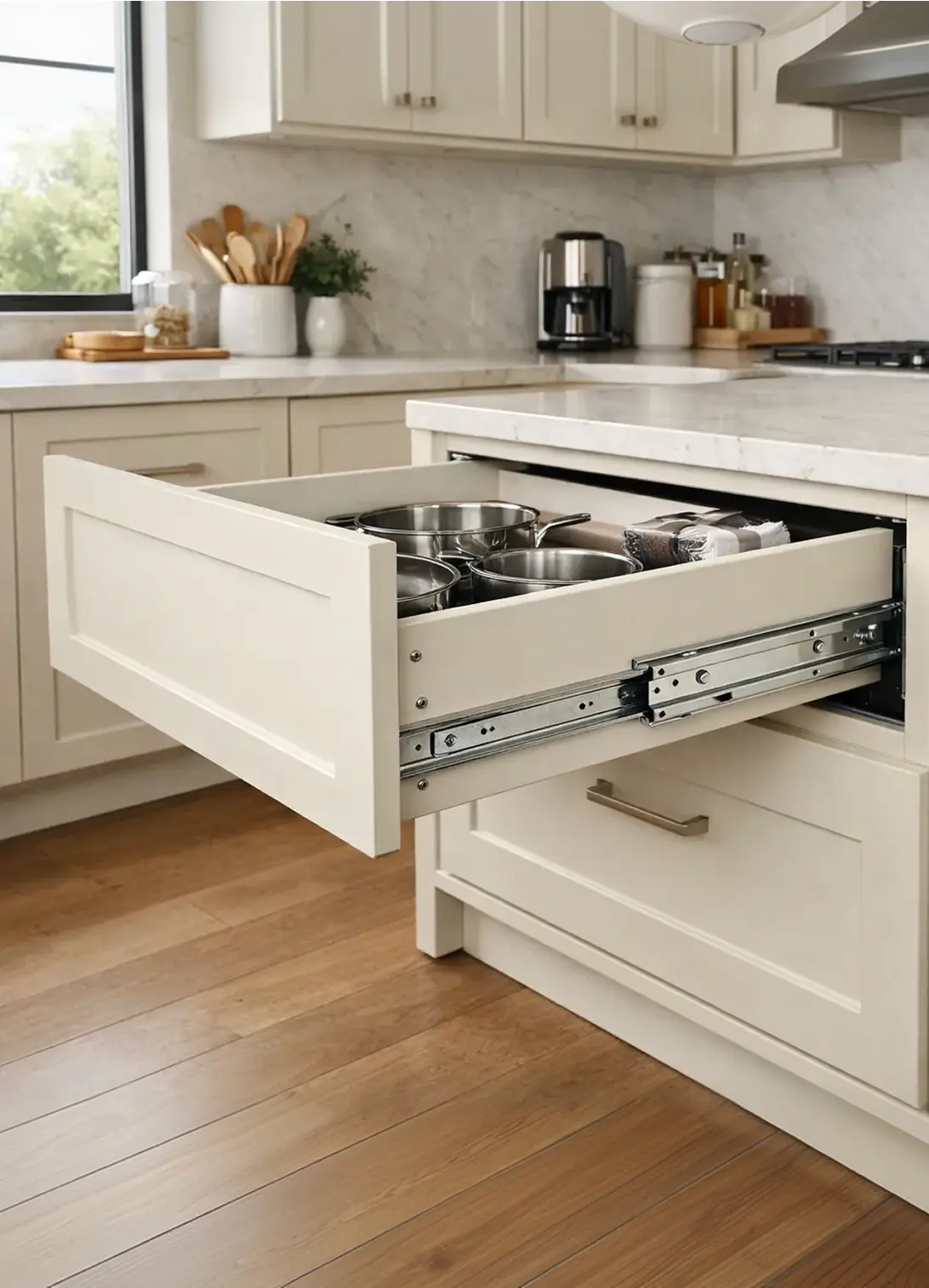
Finalising a modular kitchen brand is one of the most important decisions in a home interior project. A kitchen is not a decorative upgrade that can be easily changed. It is a high-usage space that must perform reliably every single day for years. Yet many homeowners make this decision based on showroom finishes, discounts, or brand familiarity, only to discover limitations after installation.
Asking the right questions before committing to a brand can prevent regret, hidden costs, and long-term dissatisfaction. These questions are not about design preferences alone. They are about material integrity, engineering standards, service commitment, and how the kitchen will age inside your home.
Table of Contents
- What Is the Core Material, Not Just the Finish
- How Does the Kitchen Handle Moisture and Daily Wear
- What Kind of Hardware and Assembly System Is Used
- What Does Warranty Actually Cover
- How Service and Modularity Are Handled After Installation
- Will This Kitchen Still Make Sense Ten Years From Now
What Is the Core Material, Not Just the Finish
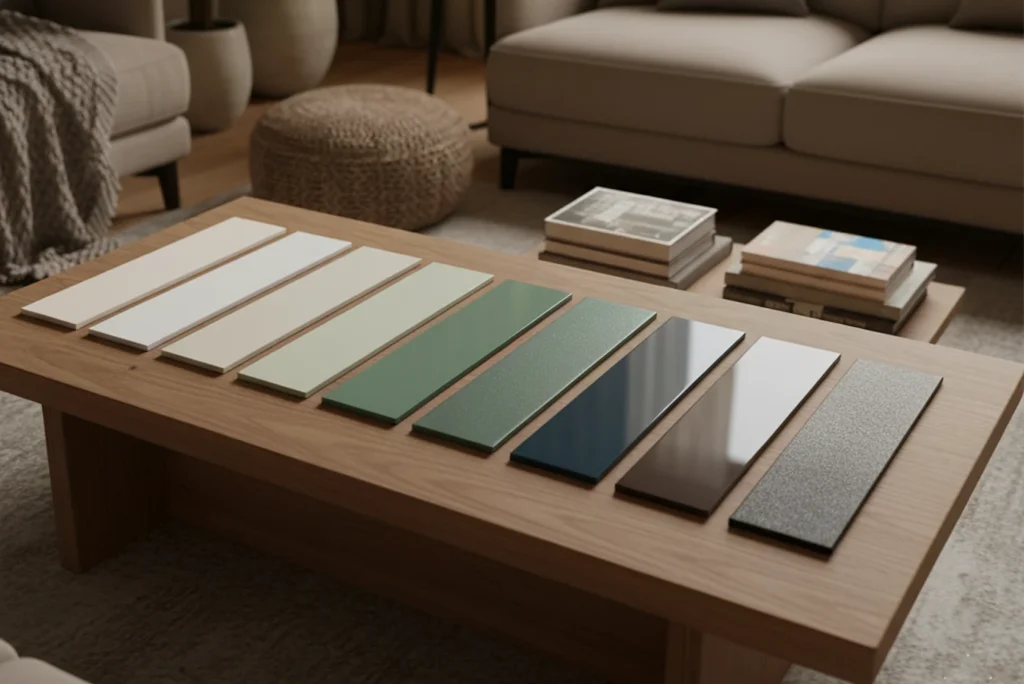
One of the most overlooked aspects of modular kitchens is the difference between surface appearance and structural material. Many kitchens look premium on the outside but rely on engineered wood boards beneath laminates, acrylics, or veneers.
Homeowners should ask what the cabinets are actually made of. Is it MDF, HDHMR, plywood, galvanized steel, or stainless steel. Each material behaves differently over time, especially in kitchens exposed to heat, moisture, and cleaning.
Understanding the core material helps predict long-term performance. Finishes can be replaced or upgraded, but the internal structure determines durability, load-bearing strength, and resistance to water or pests. A clear explanation of material grades and their application across different kitchen zones is a strong indicator of a brand’s transparency.
How Does the Kitchen Handle Moisture and Daily Wear
Kitchens face constant exposure to steam, spills, and humidity. Under-sink cabinets, corners, and utility areas are particularly vulnerable. Many failures in modular kitchens begin internally, long before visible damage appears.
A critical question to ask is how the kitchen is engineered to handle moisture. Are wet zones treated differently. Is there a material upgrade in high-risk areas. How are edges sealed and joints protected.
Brands that rely heavily on wood-based materials often depend on coatings and sealants to resist moisture. Over time, these protections can fail. Kitchens built from non-absorbent materials such as steel offer a fundamentally stronger defence. Understanding this distinction helps homeowners assess long-term reliability rather than short-term claims.
What Kind of Hardware and Assembly System Is Used
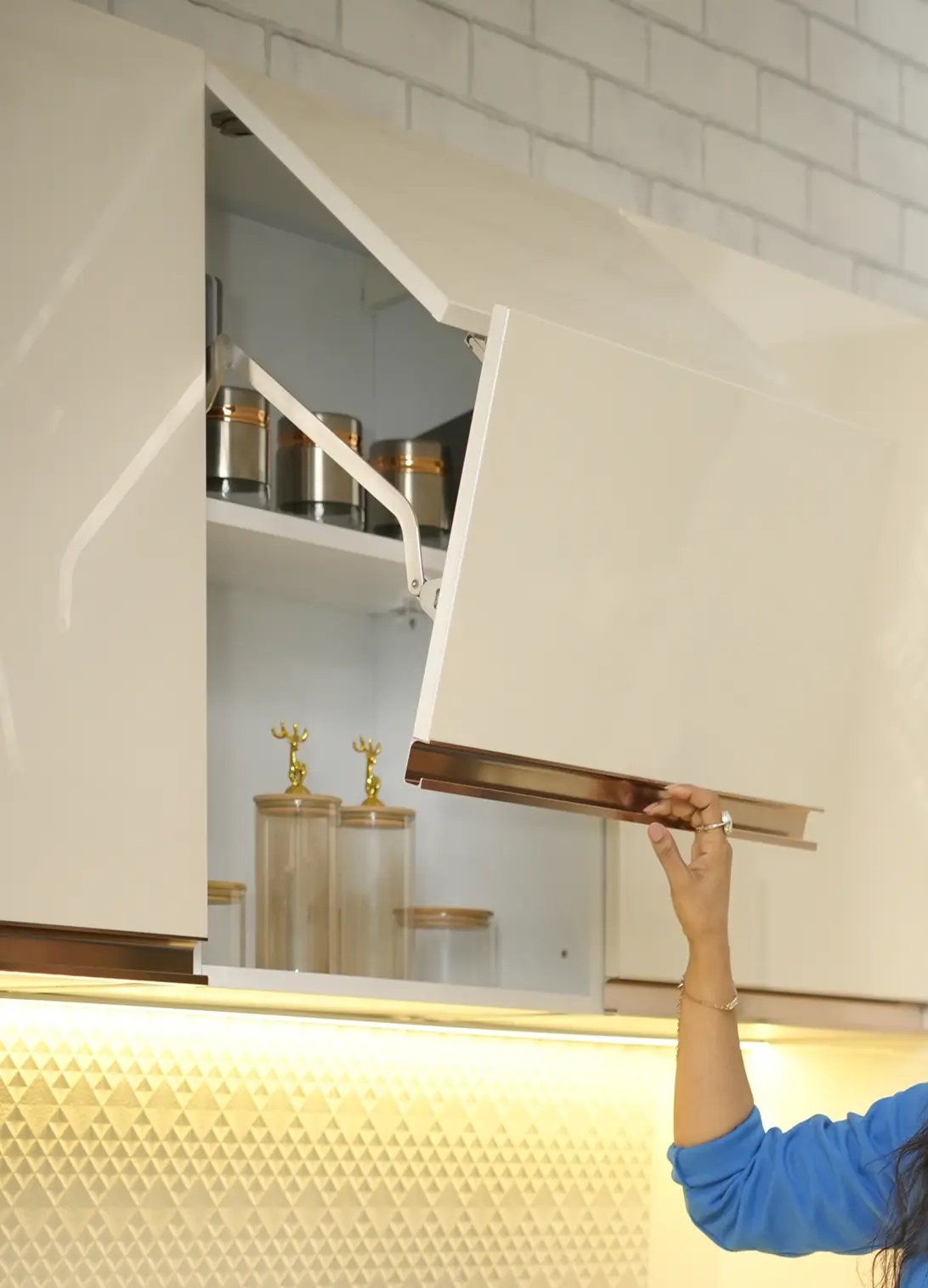
Hardware quality plays a major role in how a kitchen feels during daily use. Hinges, drawer channels, lift-up systems, and internal fittings are under constant stress. Even the best cabinet material can underperform if hardware is weak or poorly installed.
Homeowners should ask which hardware brands are used and why. More importantly, they should understand how that hardware is fixed to the cabinet structure. Screws anchored into soft boards can loosen over time, leading to sagging shutters and misaligned drawers.
A robust assembly system that ensures long-term stability is essential. This includes reinforced panels, secure fastening methods, and compatibility between cabinet material and hardware design. These details are rarely visible in showrooms but become critical after years of use.
What Does Warranty Actually Cover
Warranty is often presented as a reassuring promise, but not all warranties offer the same protection. Many modular kitchen warranties are limited to hardware or surface finishes, excluding structural issues caused by moisture, pests, or material degradation.
Homeowners should ask for clarity on what the warranty truly covers. Does it include rust, corrosion, swelling, or internal damage. Is the warranty conditional on usage patterns or maintenance routines.
A meaningful warranty reflects confidence in the material and engineering of the kitchen. Long-term or lifetime warranties on core structure indicate that the brand expects its kitchens to perform without deterioration. Understanding warranty scope prevents unpleasant surprises later.
How Service and Modularity Are Handled After Installation
A kitchen does not remain static throughout its life. Appliances change, storage needs evolve, and occasional servicing becomes necessary. A well-designed modular kitchen should allow for easy access, repair, and upgrades without dismantling the entire setup.
Homeowners should ask how service requests are handled after installation. Is the kitchen fully modular and serviceable. Are spare parts and panels available years later. Does the brand have an in-house installation and service team or rely on external contractors.
Brands that prioritise long-term customer relationships invest in service infrastructure. This becomes especially important when adjustments or repairs are required years after the original purchase.
Will This Kitchen Still Make Sense Ten Years From Now
The final and most important question is about longevity. A kitchen should not only suit current needs but also remain functional and relevant in the future. This includes structural durability, design adaptability, and ease of maintenance.
Homeowners should consider how the kitchen will age visually and structurally. Will the material hold up without frequent intervention. Can the layout or storage be modified if family needs change.
Asking this question shifts the decision from immediate gratification to long-term satisfaction. Brands that focus on engineering, material integrity, and service continuity are better equipped to support homeowners over extended periods.
A modular kitchen is a long-term companion in everyday life. Asking the right questions before finalising a brand ensures that this companion remains reliable, functional, and stress-free for years to come.

I look forward to seeing how these developments will improve service levels and customer satisfaction in the freight industry!