Table of Contents
- Where cabinet noise comes from
- The vibration-control principle
- Inside an insulated steel panel
- Why joints and fasteners matter
- Hardware and installation
- How to judge sound in a showroom
First, Where Does Cabinet Noise Come From?
The familiar metallic sound of a basic steel cabinet is usually not caused by steel simply existing. It comes from vibration. A thin, unsupported sheet moves when it is tapped or when a shutter closes. That movement resonates through the panel and produces a hollow ring.
Modern Steel Furniture can be engineered very differently. By controlling sheet movement, strengthening joints, securing hardware, and slowing the final closing action, a manufacturer can create a shutter that feels solid and restrained. Understanding these layers helps buyers separate a genuinely engineered cabinet from a generic metal enclosure.
Layer 1: A Dual-Sheet Panel Instead of a Single Skin
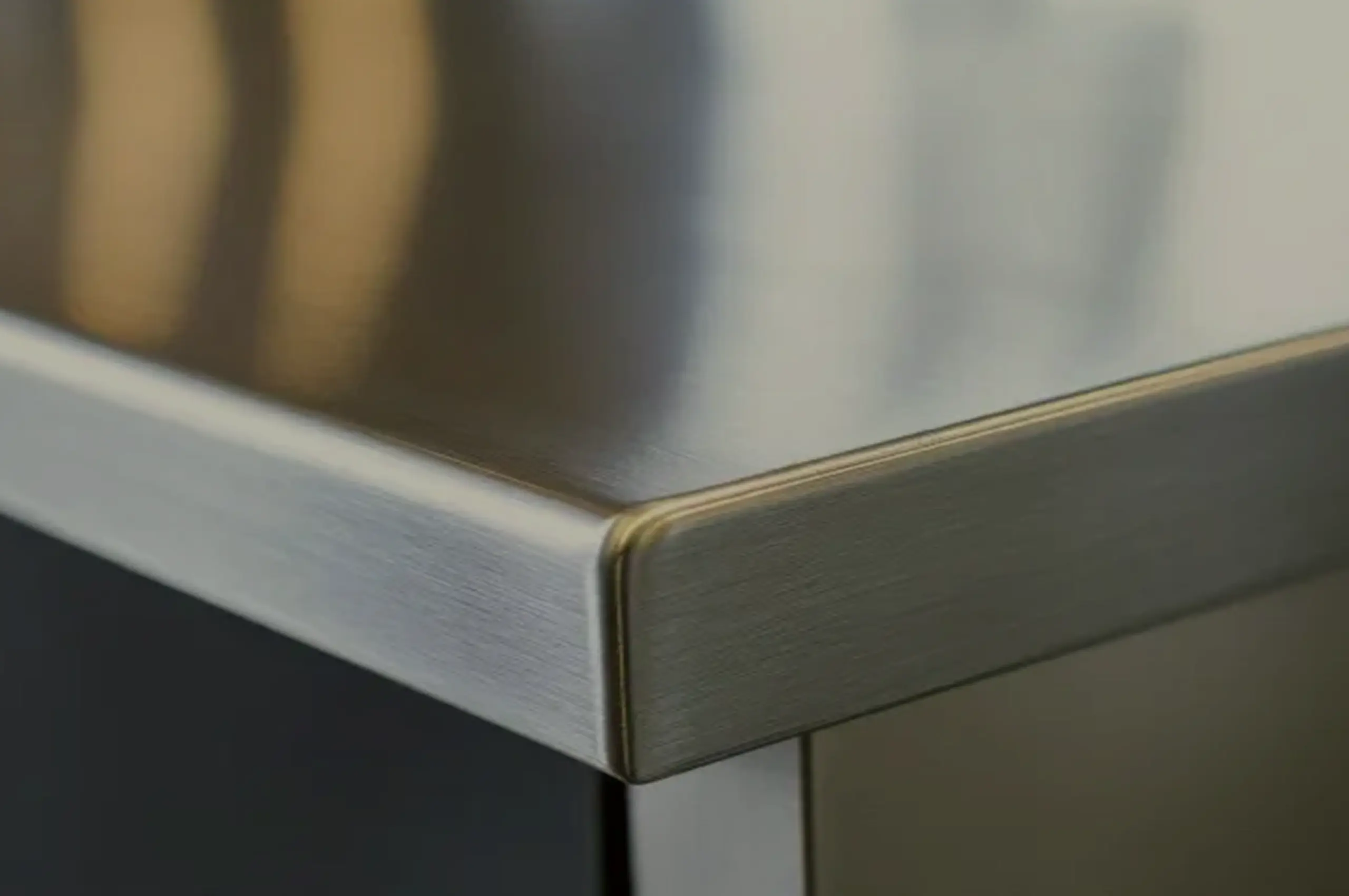
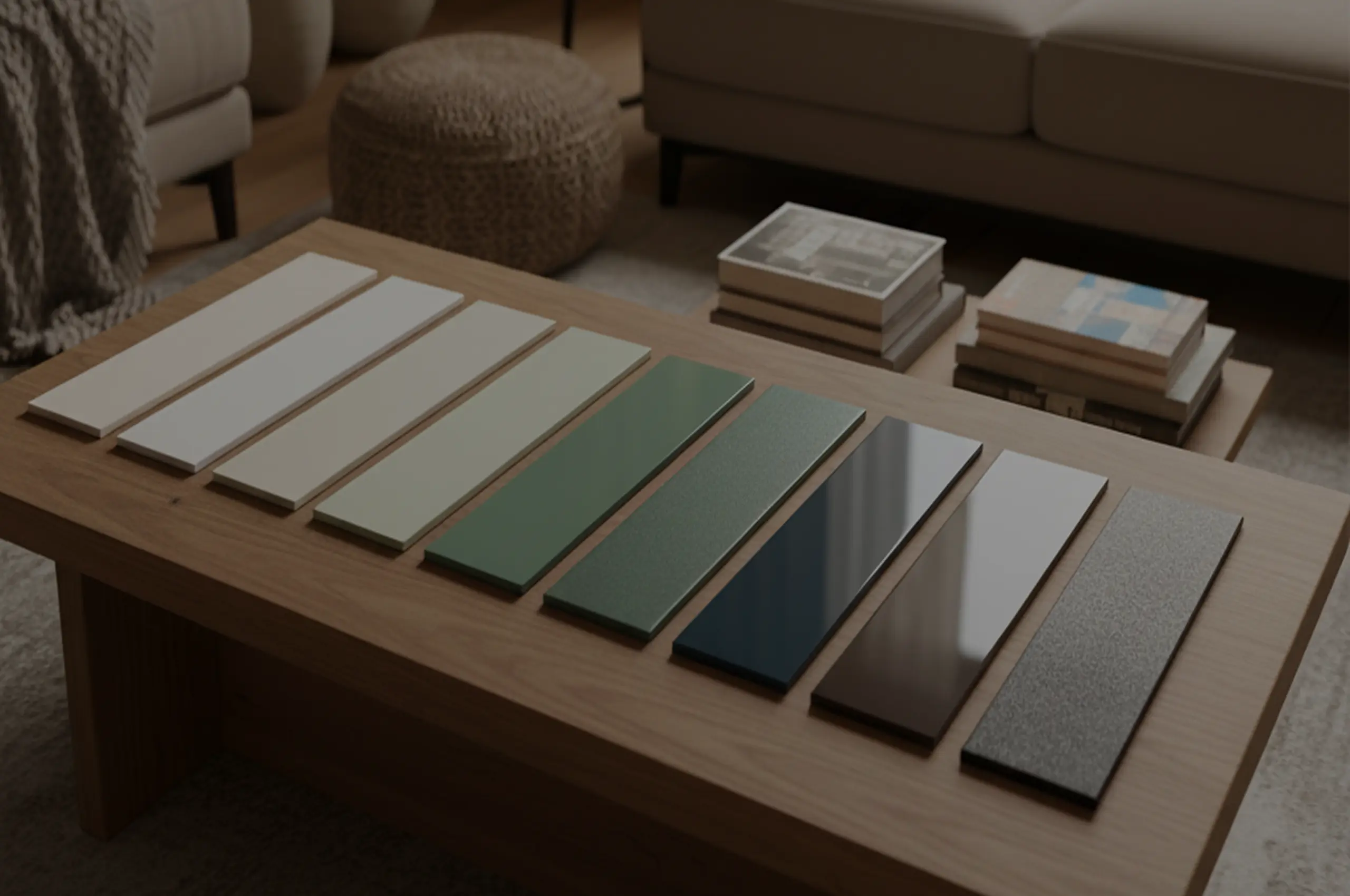
A single thin sheet has room to flex. Steelax uses a dual-sheet panel system that creates a more substantial shutter or cabinet component. Two skins provide greater rigidity than one unsupported surface and allow an insulating core to sit between them.
The assembled panel reaches 18 mm thickness, comparable to premium wooden cabinetry. Thickness alone does not guarantee quietness, but it provides the space and structure needed for effective vibration management.
Layer 2: Rubber Insulation That Absorbs Vibration
Between the steel sheets, Steelax places a rubber insulation core. Rubber behaves differently from rigid metal. When the shutter receives an impact, the core helps absorb and damp the resulting vibration instead of allowing it to travel freely across the panel.
This is the central idea behind the company’s soundless technology. The panel feels less hollow, and the closing sound becomes softer and more solid. The benefit is particularly noticeable in open kitchens and bedrooms, where cabinet noise can travel into living or sleeping areas.
Insulation must fill and support the panel appropriately. A token strip at one edge would not control resonance across the whole shutter. Buyers should therefore ask to see a sample panel or demonstration rather than relying only on the word “noise-free.”
Layer 3: Rigid Joints That Do Not Rattle
Even a well-insulated panel can become noisy if its joints loosen. Small movements between sheets, frames, hardware, and fittings can introduce rattling or clicking. Steelax uses double-layer riveting through the panel assembly to improve rigidity and help components remain stable over repeated use.
The company also integrates stainless steel insert nuts within the panel core. These provide secure threaded fixing points for stainless steel screws. Compared with a fitting that depends on a weak or loosening substrate, the insert-nut system helps hinges and other hardware stay firmly attached.
Stable fastening has two benefits. It supports quieter action, and it helps prevent shutters from sagging as the cabinet ages. Alignment matters because a misaligned shutter may scrape, strike an adjacent panel, or close unevenly.
Layer 4: Hardware That Controls Motion
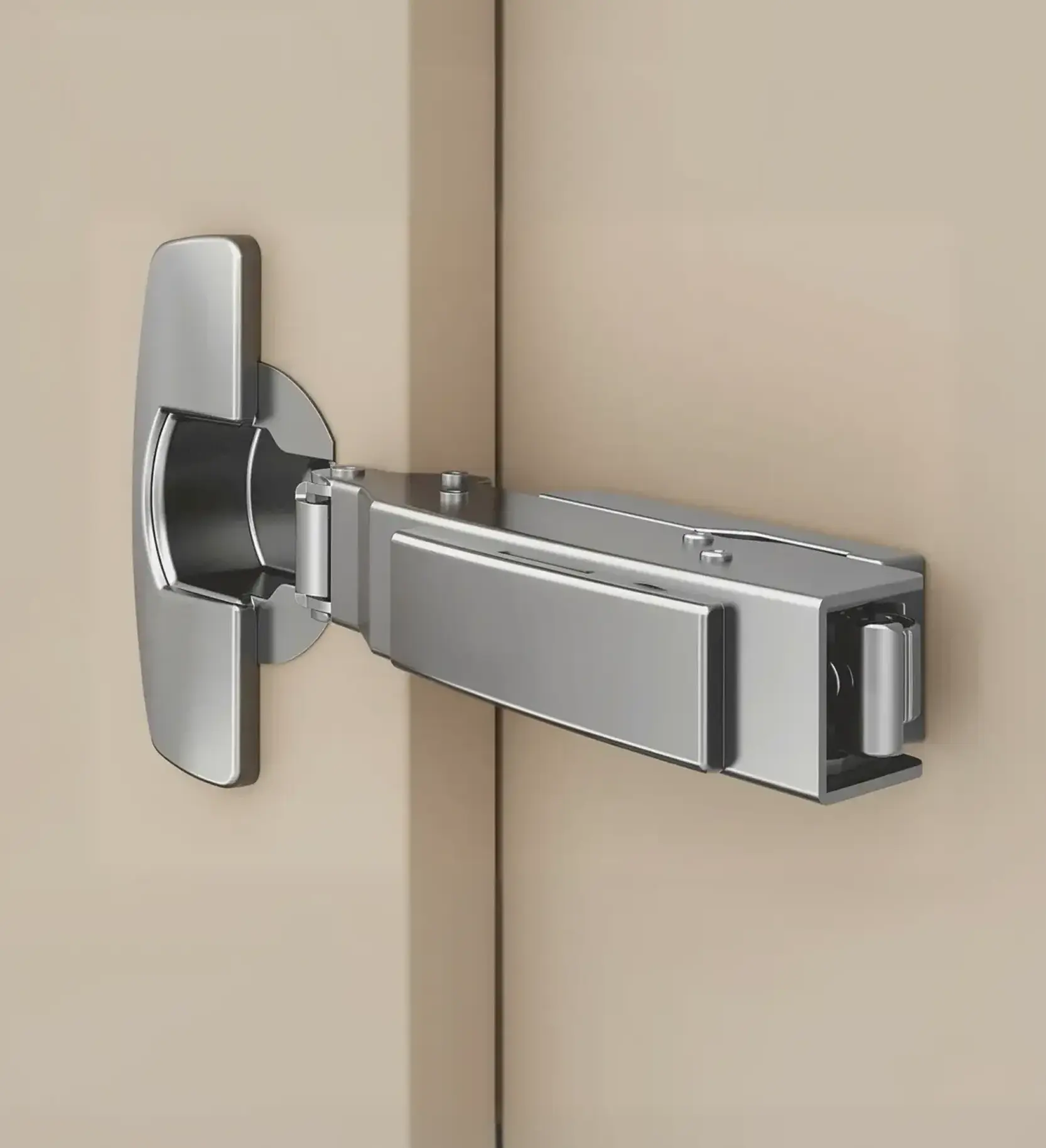
Quiet operation is not only about the shutter panel. Hinges and drawer channels determine how movement starts, travels, and stops. Soft-close hardware slows the final part of the motion so the shutter does not slam into the cabinet body.
Steelax works with hardware and accessory brands including Hafele, Hettich, Laranza, and Ozone, depending on the project specification. Correct selection should consider shutter weight, opening angle, frequency of use, and the cabinet’s purpose. A large pantry shutter may need a different hinge configuration from a small wall cabinet.
Small buffers, rubber contact points, and accurately positioned fittings also reduce impact noise. These details may appear minor on a quotation, but they influence the daily feel of the furniture.
Layer 5: Precision Manufacturing and Installation
Quiet components can still perform poorly if the cabinet is installed out of level. Accurate manufacturing keeps panels square and consistent. At site, installers must align shutters, adjust hinges, secure cabinets, and confirm that drawers travel without rubbing.
Floor and wall irregularities are common during renovations. Levelling and controlled fillers prevent the furniture from being forced into a distorted opening. A clean handover should include repeated testing of every moving component.
How to Evaluate a Cabinet for Yourself
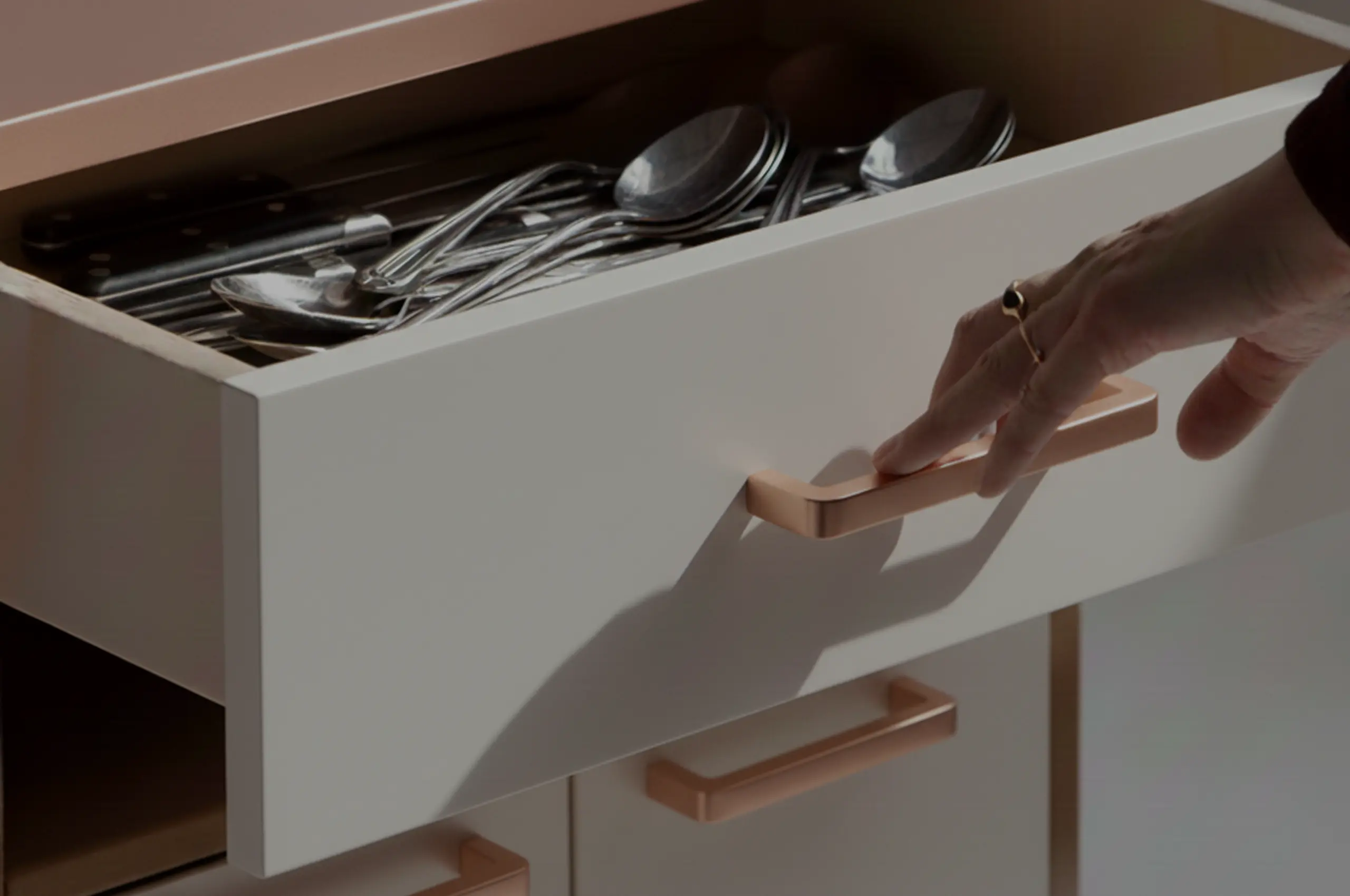
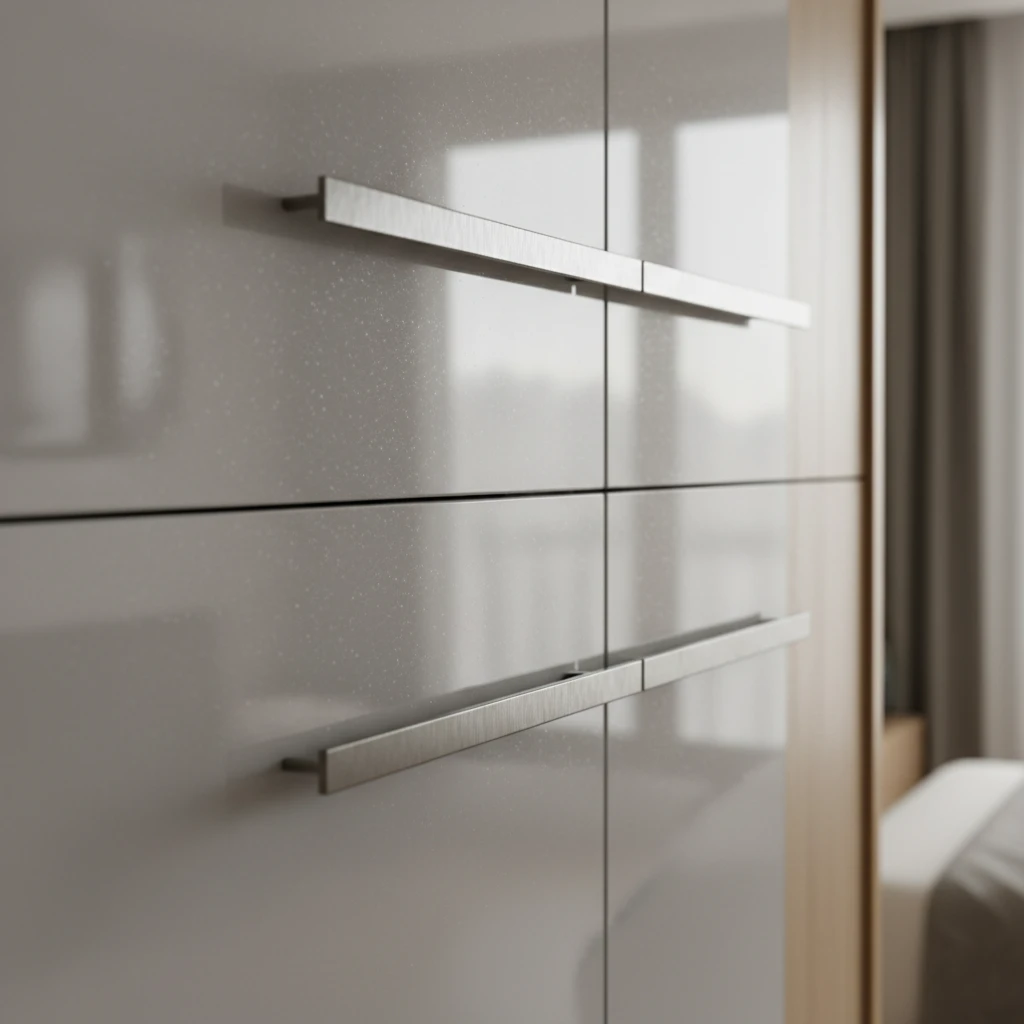
In the showroom, open and close a full-size shutter rather than tapping only a small sample. Try a drawer under realistic load if possible. Listen for ringing, rattling, scraping, and a harsh final impact. Gently hold the shutter after closing and check whether it feels stable.
Ask what sits between the steel skins, how the panels are joined, how hardware is fastened, and which soft-close system is specified. Also ask whether adjustments are covered during service, since hinges can require fine tuning after regular use or building movement.
The Best Modular Kitchens in Lucknow should feel composed in ordinary operation. Steelax’s approach combines rubber-insulated dual sheets, 18 mm panels, double riveting, insert nuts, quality hardware, and precise installation. Quietness is not a decorative promise added at the end. It is the result of controlling vibration and movement at every stage of the cabinet.