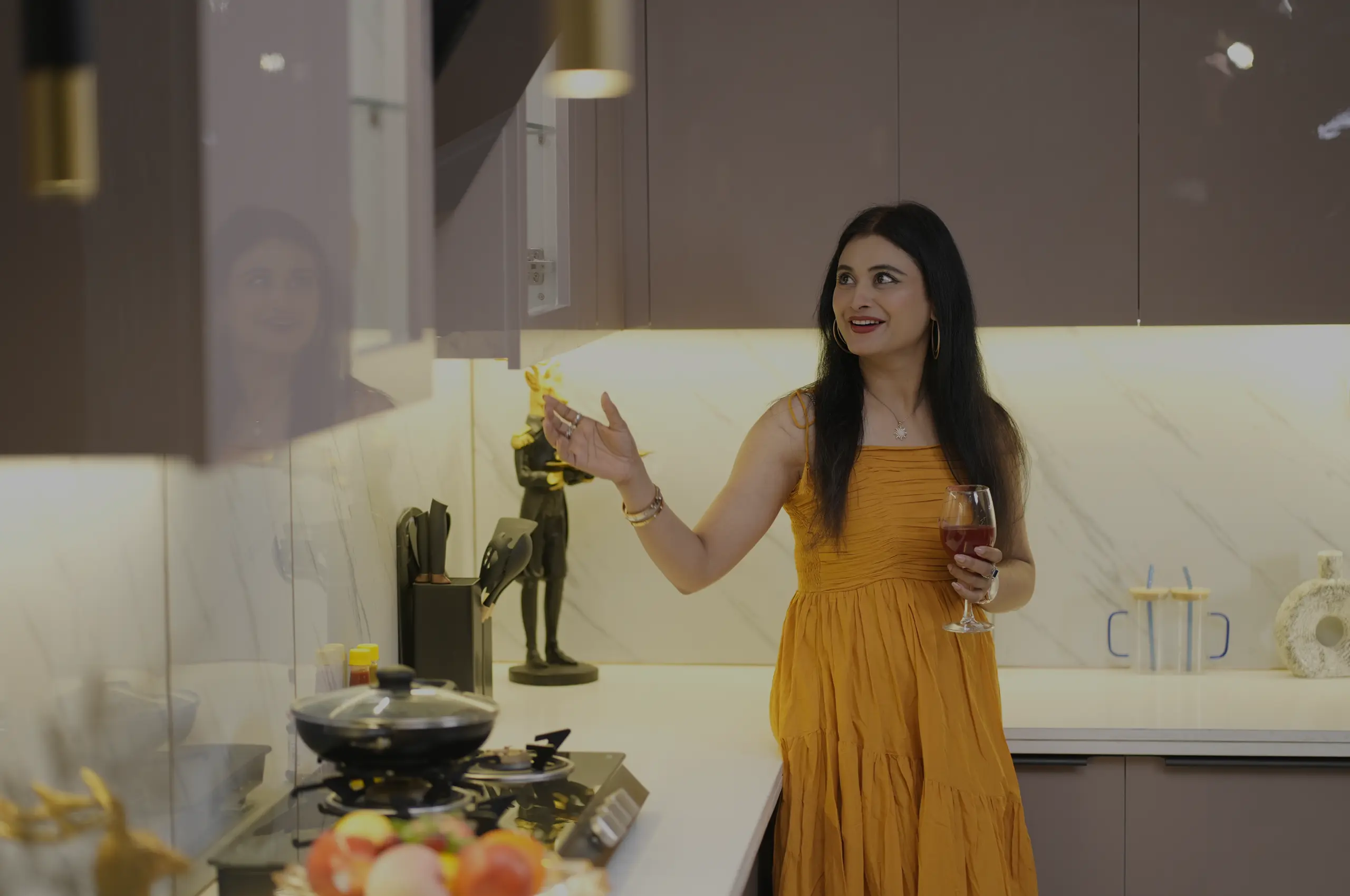
Luxury interiors are no longer defined by ornamentation alone. Modern luxury is subtle, thoughtful, and rooted in how a space feels to live in every day. Homeowners today seek interiors that are refined yet comfortable, premium yet practical. In this evolving definition of luxury, stainless steel has emerged as an unexpected but powerful material.
Once associated mainly with industrial or commercial environments, steel has undergone a complete transformation in residential design. With advanced finishes, precision engineering, and thoughtful design integration, steel interiors now deliver elegance, warmth, and sophistication without sacrificing performance. The key lies not in using steel as a statement, but in designing with it intelligently.
Table of Contents
- Rethinking Luxury Beyond Traditional Materials
- How Steel Supports Warm and Inviting Aesthetics
- Finishes, Colours, and Textures That Elevate Steel
- Balancing Strength With Comfort in Everyday Use
- Integrating Steel Seamlessly Across Interior Spaces
- Why True Luxury Lies in Longevity and Ease
Rethinking Luxury Beyond Traditional Materials
For decades, luxury interiors in India were closely tied to wood, marble, and decorative finishes. While these materials still hold aesthetic value, they often demand high maintenance and are vulnerable to environmental stress. As lifestyles change, homeowners are beginning to question whether traditional materials truly align with modern living.
Luxury today is increasingly associated with reliability, cleanliness, and peace of mind. A kitchen or wardrobe that looks beautiful but deteriorates internally over time fails to meet this new standard. Steel challenges old assumptions by offering a material that performs exceptionally well while supporting high-end design intent.
Rather than replacing warmth, steel redefines it. The warmth of an interior now comes from how confidently a space supports daily life without constant upkeep or concern.
How Steel Supports Warm and Inviting Aesthetics
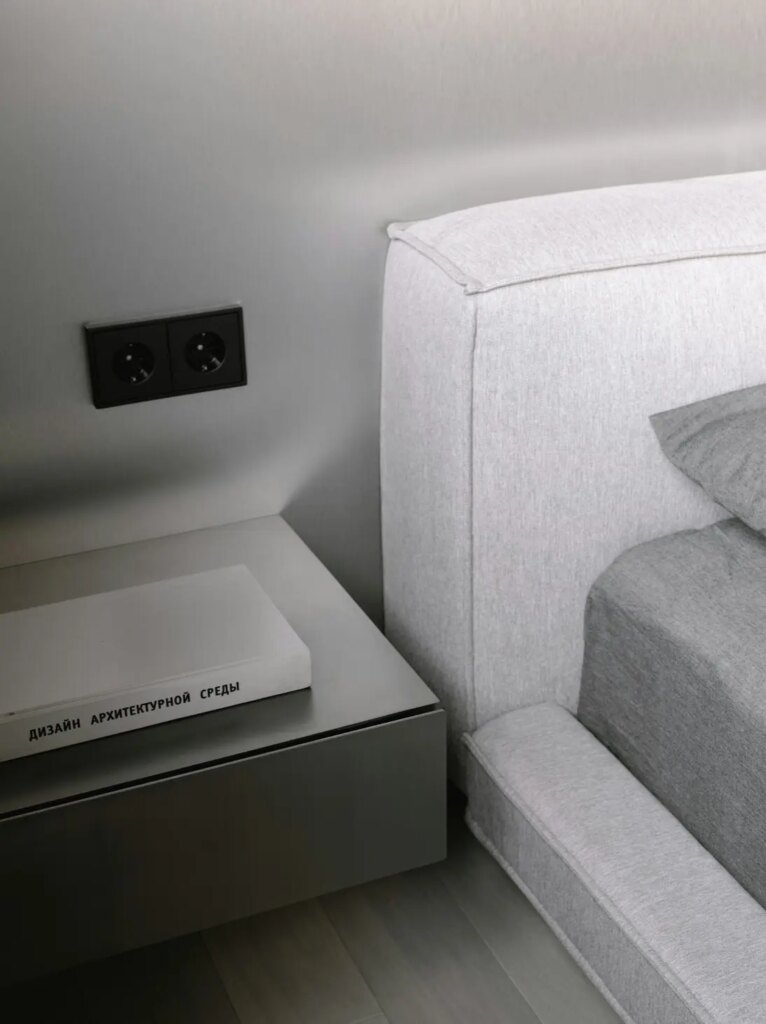
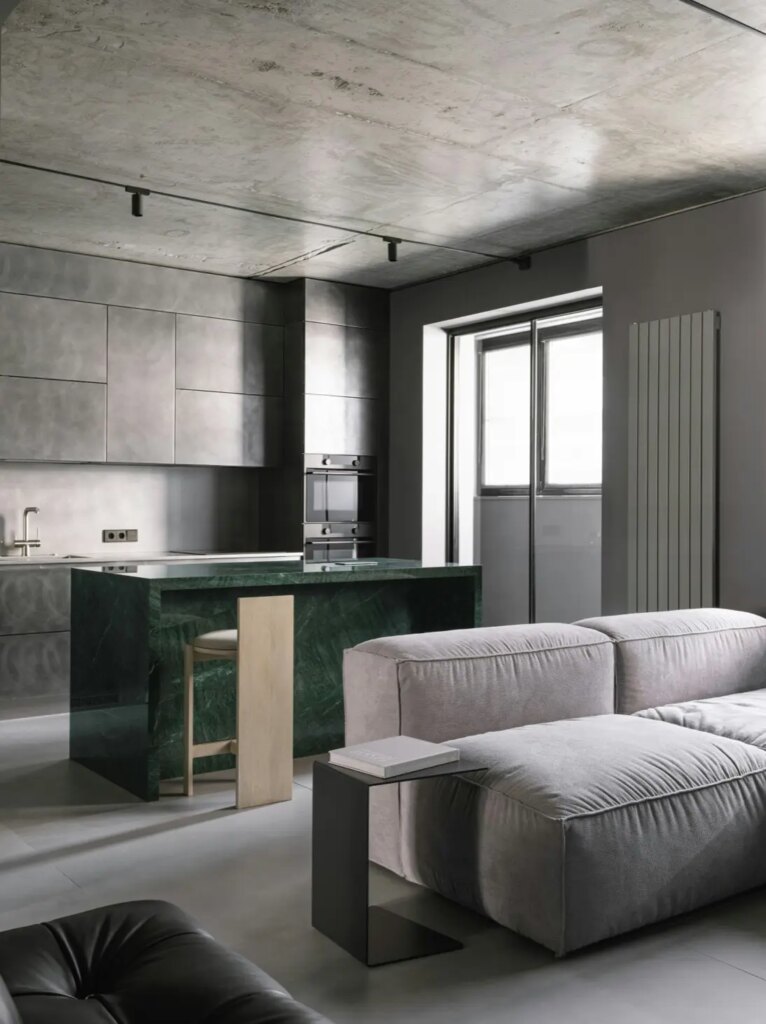
Warmth in interiors is not created by material alone. It is shaped by proportions, colour choices, lighting, and surface interaction. Steel, when thoughtfully designed, acts as a neutral structural canvas that allows these elements to shine.
Modern steel interiors avoid exposed industrial finishes unless intentionally desired. Instead, steel cabinets and units are clad in refined surface treatments that soften their presence. When paired with warm lighting, balanced layouts, and complementary materials such as stone or soft furnishings, steel blends seamlessly into inviting spaces.
The result is an interior that feels composed and calm rather than cold. Steel provides the backbone, while design layers create emotional comfort.
Finishes, Colours, and Textures That Elevate Steel
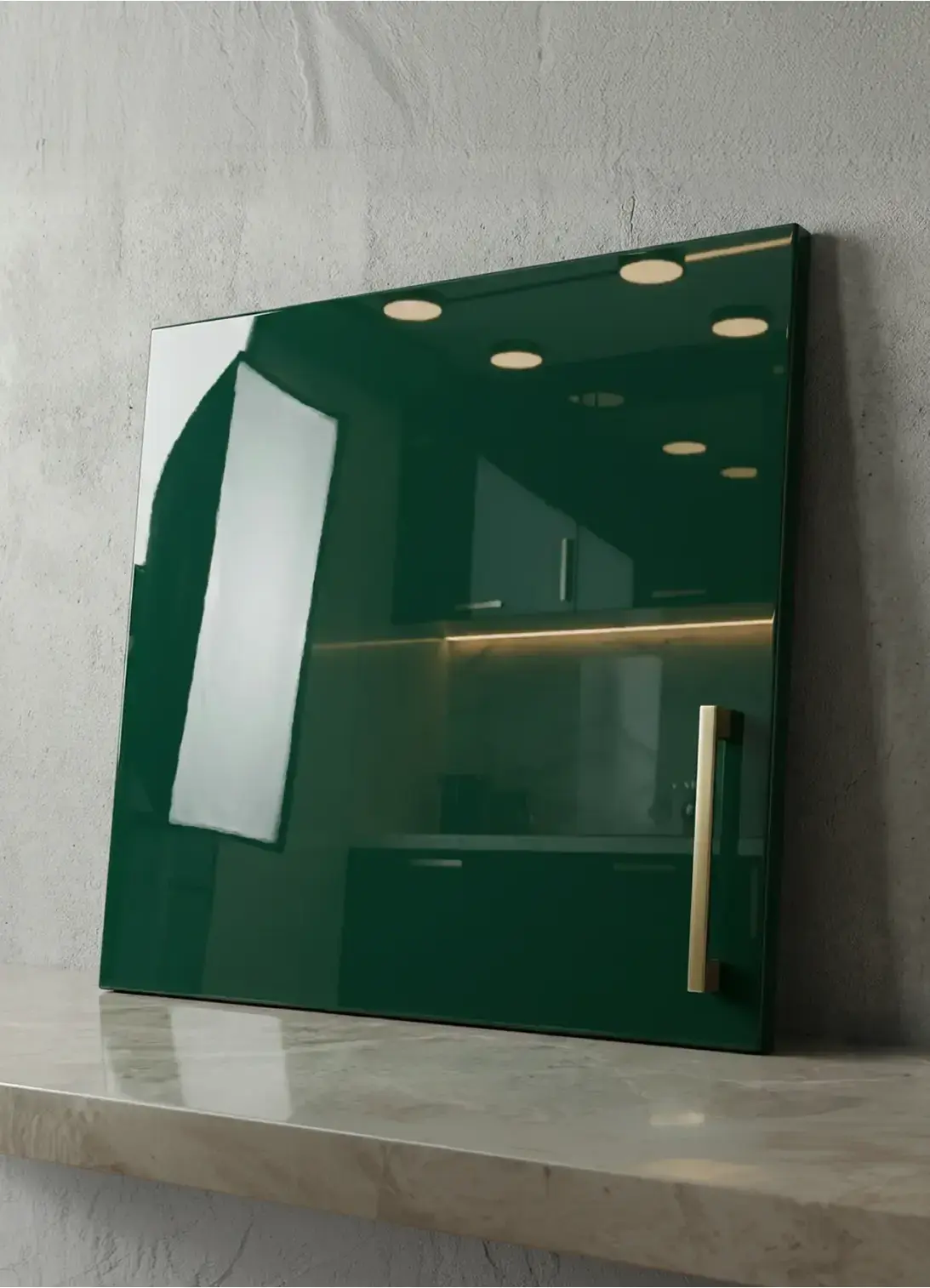
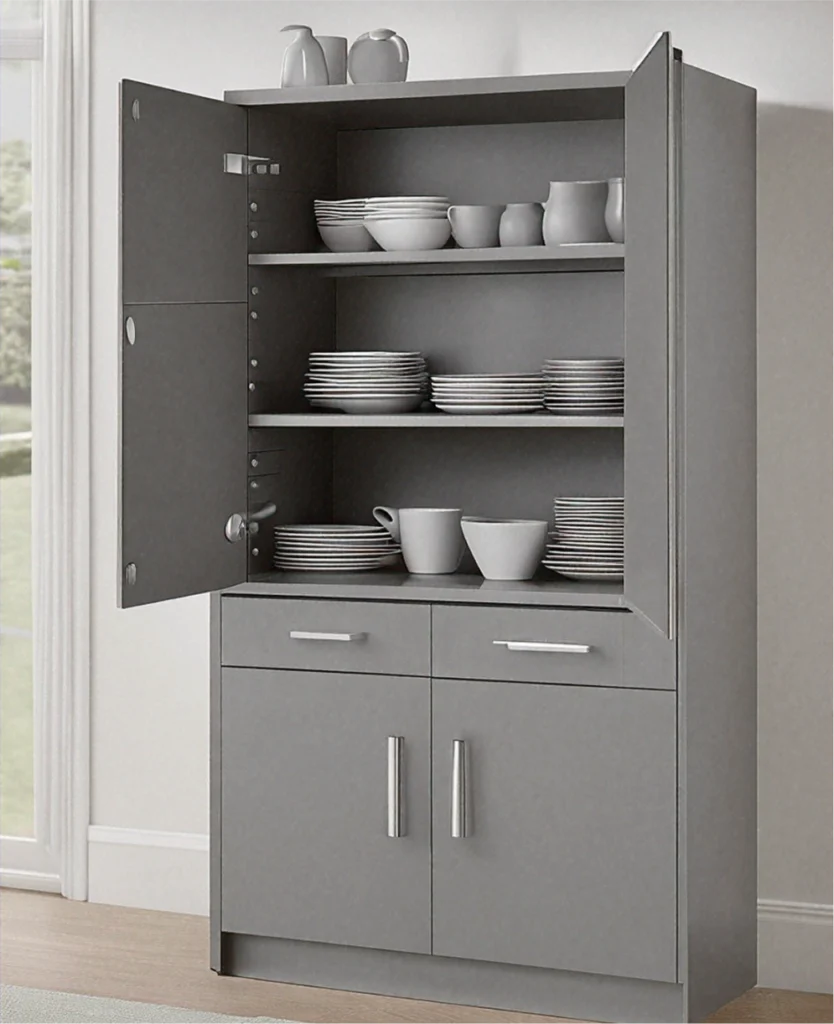
One of the most significant shifts in steel interiors is the range of finishes now available. Steel is no longer limited to brushed or metallic appearances. Advanced PU coatings, matte finishes, textured surfaces, and high-gloss options allow steel to express a wide spectrum of moods.
Soft neutrals, muted pastels, deep earthy tones, and elegant monochromes can all be achieved on steel surfaces. Textured finishes add depth and tactility, making cabinets feel rich and bespoke rather than utilitarian.
These finish options allow steel interiors to align with premium residential aesthetics while retaining their inherent strength. Visual luxury is no longer compromised for durability.
Balancing Strength With Comfort in Everyday Use
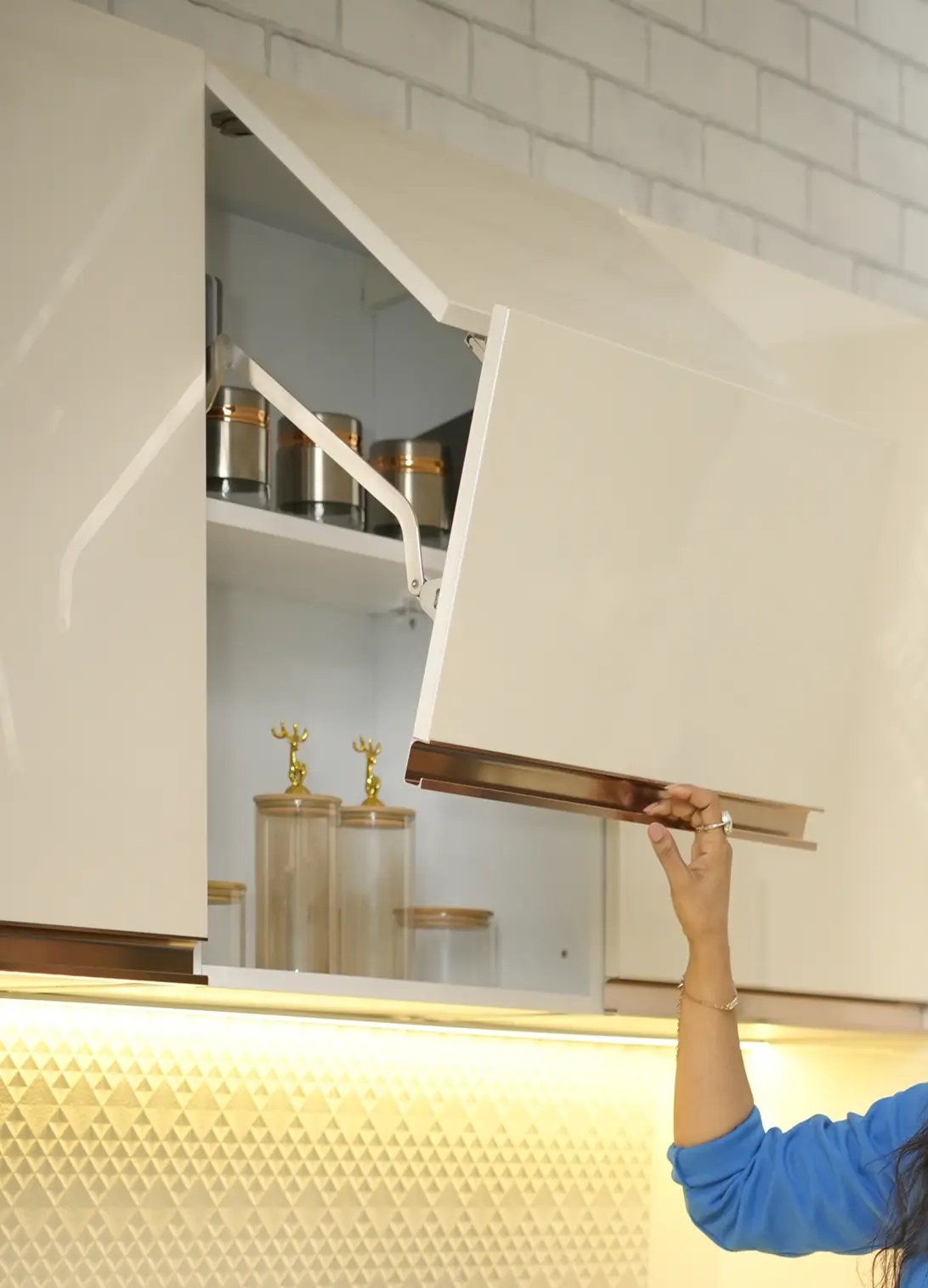
Luxury is experienced through daily interaction. How a shutter closes, how a drawer glides, and how silent a cabinet feels all contribute to the perception of quality. Earlier concerns around steel interiors feeling noisy or rigid have been addressed through engineering innovation.
Modern steel cabinetry uses insulated panel construction and precision hardware to ensure smooth, quiet operation. Doors feel solid, drawers remain aligned, and fittings stay firm over time. This tactile comfort bridges the gap between strength and softness.
When strength operates quietly in the background, comfort takes centre stage. This balance is essential for creating interiors that feel luxurious in real life, not just in photographs.
Integrating Steel Seamlessly Across Interior Spaces
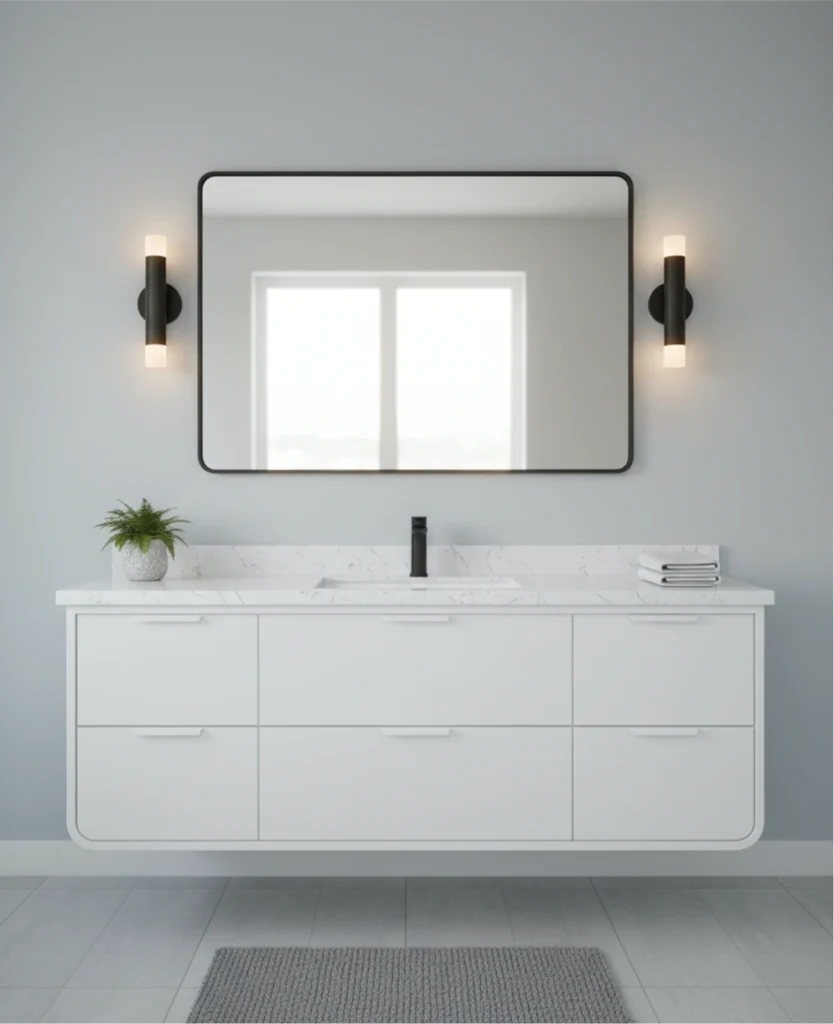
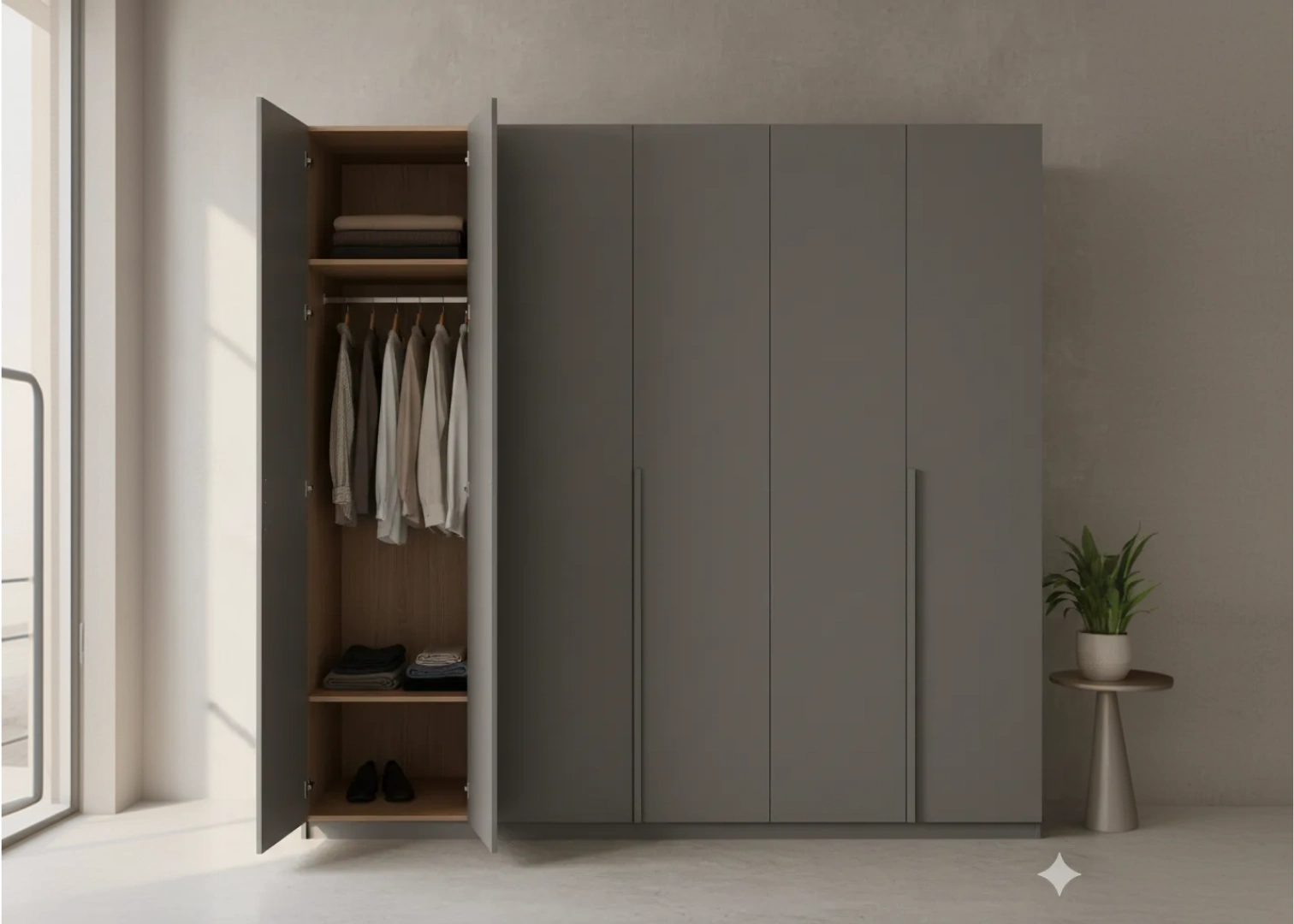
Steel is most powerful when used holistically rather than as a standalone feature. Kitchens, wardrobes, vanity units, storage systems, and living area furniture can all be designed using steel as a consistent structural base.
This continuity creates visual harmony across the home while simplifying maintenance and long-term planning. Design language can vary from space to space through finishes and layouts, even as the core material remains consistent.
Such integration allows homeowners to enjoy both variety and reliability. Steel adapts to different functions without losing its identity or performance advantages.
Why True Luxury Lies in Longevity and Ease
At its core, luxury is about effortlessness. An interior that looks refined but demands constant attention eventually becomes a burden. Steel interiors offer a different promise. They age slowly, resist damage, and retain their integrity with minimal care.
This longevity reduces the need for repairs, replacements, and frequent upgrades. Over time, the absence of problems becomes the most valuable luxury of all.
Designing with steel is not about making a bold statement. It is about making a considered choice. When combined with thoughtful design, steel delivers interiors that feel warm, elegant, and enduring. In modern homes, this quiet confidence defines true luxury.