The quotation says “304 stainless steel”, but the finished cabinet looks much like the lower-priced option beside it. If you are wondering how to check 304 stainless steel, begin with the specification and the evidence connecting it to the material used. A shiny surface or a confident demonstration cannot establish the grade by itself.
You do not need to become a metallurgist to ask useful questions. Request a clear material schedule, understand the limits of simple tests and ask how the maker can support the specification for your order.
Table of Contents
- Why appearance cannot identify 304 stainless steel
- 304 vs 202 identification: what needs confirming
- The 304 steel magnet test and its limits
- How to check 304 stainless steel with stronger evidence
- Steel grade certificates and order traceability
- Confirming Steelax’s kitchen steel specification
- How to check 304 stainless steel: FAQs
Why appearance cannot identify 304 stainless steel
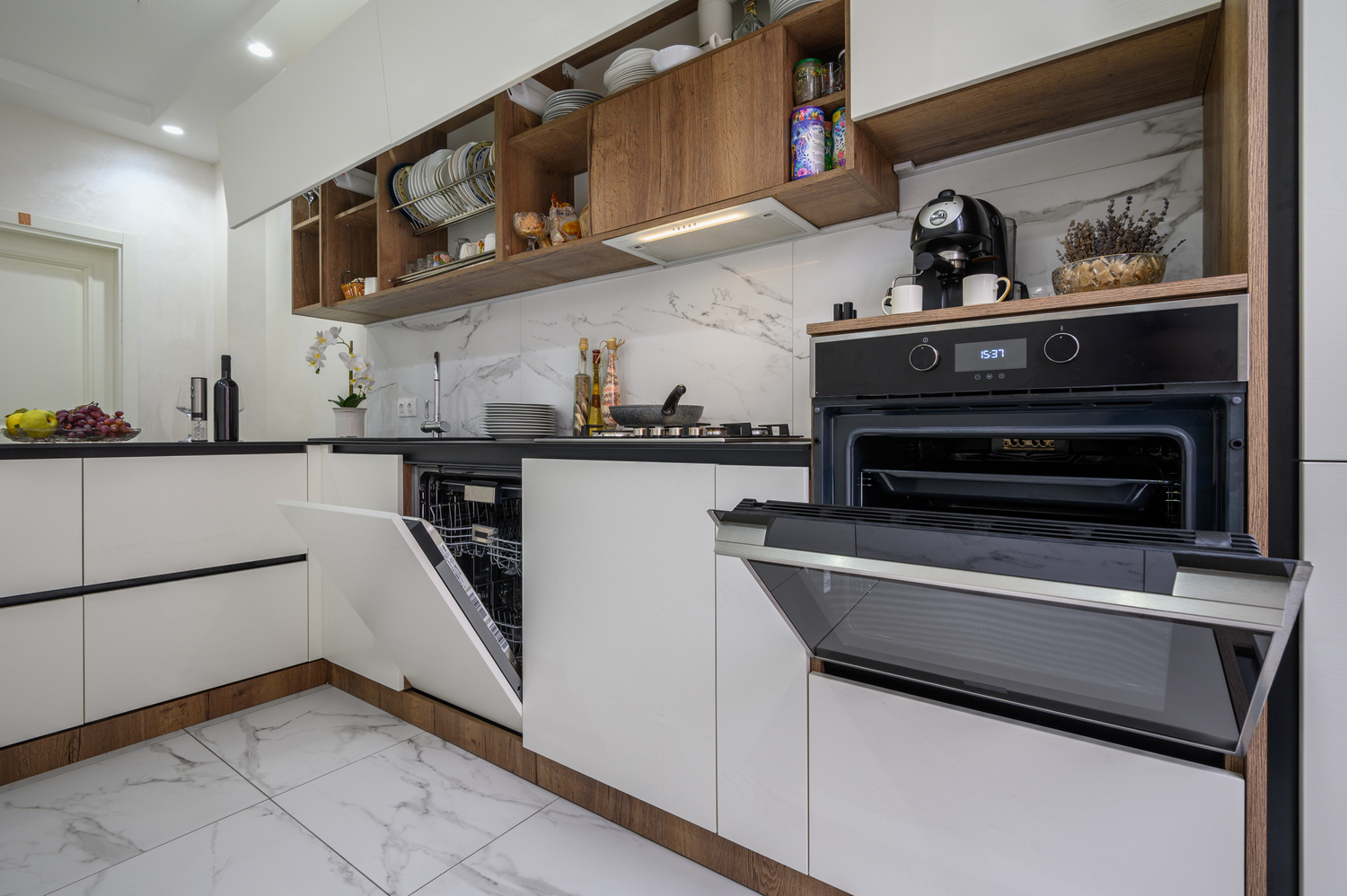
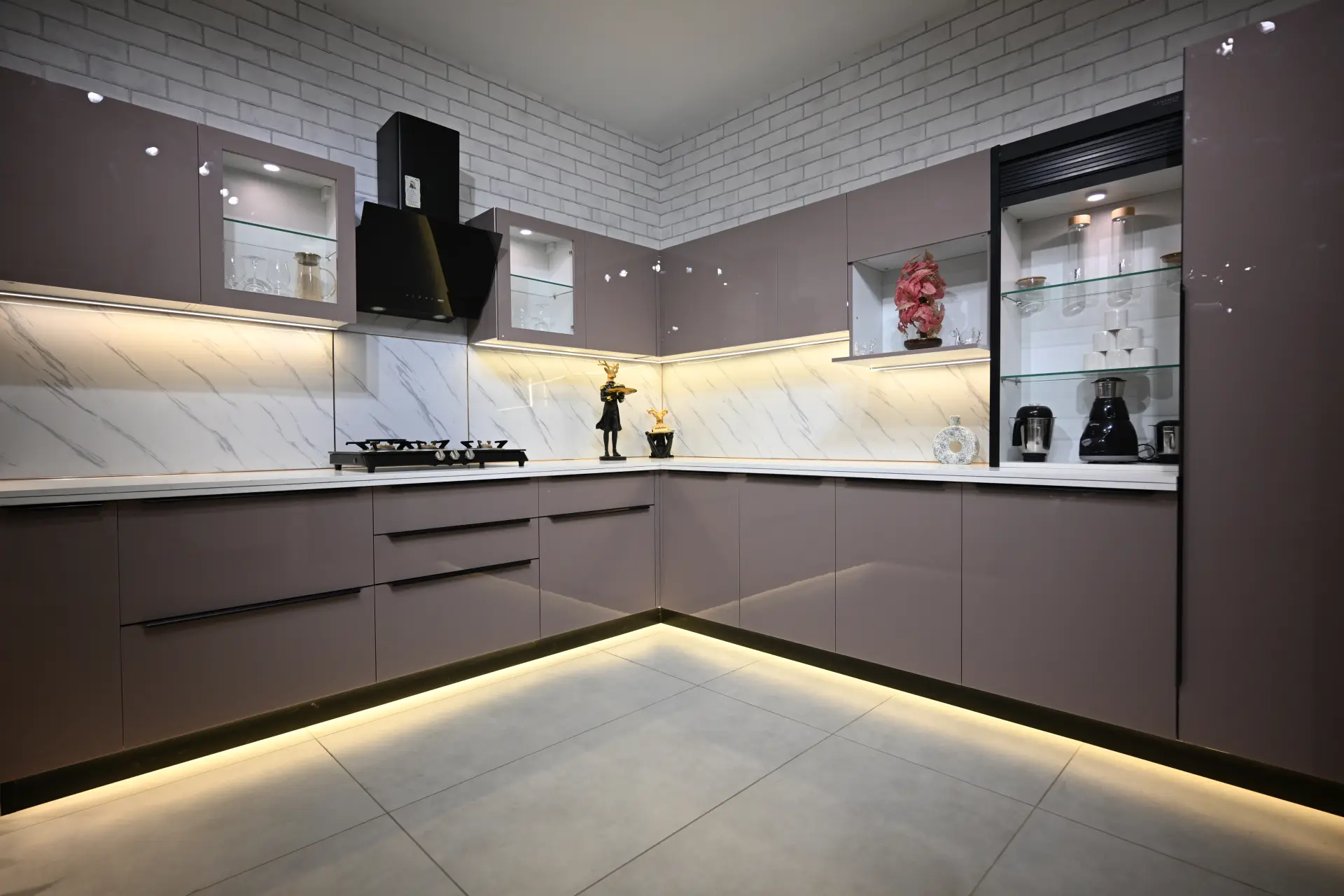
Different stainless steel grades can look similar, especially after finishing. Paint also conceals the metal’s appearance, while colour and polish provide no reliable proof of the composition underneath. Treat the display as an example of construction and finish, not as a chemical identification test.
A supplier name is useful information but does not replace the grade specification. The same manufacturer can supply different products. Ask which grade is proposed for each module and what records support that choice.
If your quotation uses only “stainless steel”, request the missing detail before comparing prices. A specification that clearly names the sink cabinet, general units and any mixed-grade areas gives you something definite to verify.
304 vs 202 identification: what needs confirming
304 and 202 are stainless steel grades with different alloy compositions. Both belong to the austenitic family, so a simple magnetic response cannot reliably distinguish them. Confirmation needs to relate to the specified composition, not merely the general observation that the sample is metal.
The British Stainless Steel Association’s sorting guidance explains that conclusive grade identification relies on appropriate chemical analysis. This is different from a visual or physical screening check in a showroom.
For advice on where each grade belongs, use our 304, 202 and GI selection guide. Here the focus is how to check 304 stainless steel once that grade has been specified, rather than which grade to choose.
The 304 steel magnet test and its limits
The familiar claim that “a magnet does not stick, therefore it is 304” is unreliable. Other austenitic grades may also show little attraction. Equally, genuine 304 can develop some magnetic response after forming or other cold work.
The BSSA’s magnetic properties guidance explains that cold working can change the response, including around corners and worked surfaces. A reaction at a formed edge therefore needs interpretation rather than an immediate conclusion about the grade.
Do not treat either attraction or non-attraction as proof that a cabinet matches the order. A 304 steel magnet test can raise a question, but it cannot provide the final answer. Return to the documented specification and appropriate verification if the distinction matters to your purchase.

How to check 304 stainless steel with stronger evidence
A mill test certificate records information about the supplied material, but its value depends on traceability. Ask how the record relates to the batch used in your order. An unrelated certificate or an unlabelled sample does not establish the material inside your finished kitchen.
Professional positive material identification, commonly called PMI, can assess alloy composition using suitable equipment. Evident describes handheld XRF as a method for alloy verification. The testing method, sample surface and operator technique need to suit the question being answered.
Chemical spot kits may help screen material according to the kit’s capabilities, but should not be described as universal proof of 304. Ask a qualified tester to explain what the particular result can establish. Avoid applying a kit to a finished cabinet without the maker’s agreement and suitable professional handling.
Steel grade certificates and order traceability

| Evidence or check | What it helps establish | Important limitation |
| Material schedule | What the maker agrees to supply | It needs supporting fulfilment records |
| Traceable mill record | Information about the supplied material batch | It must relate to the actual order |
| Professional PMI | Alloy composition at the tested location | One tested part does not verify every module |
| Magnet demonstration | A physical response at one location | It does not reliably identify 304 |
Confirming Steelax’s kitchen steel specification
Steelax’s references identify Jindal Stainless as a supplier and specify 304 for under-sink cabinets, with 202 and GI used in appropriate applications. Ask what grade documentation and traceability information can be provided for your particular order. Do not assume every type of certificate or inspection is routinely included.
Keep the final material schedule, invoice and any supplied records together. If the proposal changes during design, update the specification before production. Our manufacturing guide explains the cabinet process alongside this documentation discussion.
If you want help understanding how to check 304 stainless steel in a proposed kitchen, speak to Steelax before placing the order. We can clarify the specified grades and discuss the supporting information available for your project.
How to check 304 stainless steel: FAQs
How can I tell whether a kitchen is really 304 stainless steel?
Begin with a module-wise specification and supporting traceable records. Where independent verification is needed, agree suitable professional testing. Appearance and a magnet demonstration alone cannot establish the grade.
Should a magnet stick to 304 stainless steel?
304 generally has a low magnetic response in its annealed condition, but forming and cold work can increase attraction. A response does not automatically mean the material is incorrectly specified.
Does a non-magnetic sample prove it is 304?
No. Other austenitic grades can also have little magnetic attraction. Non-attraction is not a reliable method for distinguishing 304 from 202.
Is a mill certificate enough?
It is useful when it relates to the actual material batch and order. Ask about traceability. A certificate shown without that connection does not verify every part of a finished kitchen.