The kitchen is only a few years old, yet a shutter has dropped and one cabinet edge looks swollen. You were told the material was suitable for kitchen use, so the damage feels difficult to explain. If your cabinets use HDHMR board, MDF or plywood, the first step is to identify what has failed before deciding that the whole kitchen needs replacing.
Age alone cannot establish the cause. A leak, an exposed edge, a fitting problem or deterioration in the panel can create different symptoms. Understanding that distinction helps you ask for a useful inspection instead of another temporary adjustment.
Table of Contents
- Early signs of damage in kitchen cabinets
- What an HDHMR board label tells you
- Moisture damage in HDHMR, MDF and plywood cabinets
- Sagging kitchen shutters and loose hinge fixings
- Kitchen cabinet repair or partial replacement?
- Choosing replacement kitchen cabinet materials
- HDHMR board and damaged kitchen cabinets: FAQs
Early signs of damage in kitchen cabinets
Start by noting where the damage appears. Is it concentrated near plumbing, spread across several cabinets or limited to a single shutter? Photograph the affected areas and the interiors as well as the front. A clear record helps the person inspecting the kitchen understand the pattern.
Also note whether the problem is changing. A door that needs occasional alignment is different from a panel that is visibly losing shape. Avoid covering the damaged area before the cause has been examined, because a cosmetic repair may hide a continuing problem.
What an HDHMR board label tells you
HDHMR means high-density high-moisture-resistant board; MDF is medium-density fibreboard. Both are manufactured board products. Plywood uses bonded layers of veneer. The decorative surface can make these structures look similar once fitted, so check the original specification rather than identifying the material only from its finish.
The HDHMR board label describes the material category, not every detail of the completed cabinet. The actual product, edge protection, assembly and exposure still matter. A moisture-resistant description does not mean a cabinet can remain in contact with leaking water indefinitely.
If your paperwork names only the finish, ask the supplier to identify the board underneath. Our cabinet material guide offers a broader comparison. For now, focus on the specification of the damaged unit so any proposed repair addresses the right structure.
Moisture damage in HDHMR, MDF and plywood cabinets
Water exposure is not always obvious from the front. It can occur around a pipe opening, at an edge or inside the sink cabinet while the visible shutter remains dry. The location matters because a repair needs to stop the source as well as address the damaged panel.
Steam and splashes also deserve consideration during inspection, particularly where the cabinet design leaves vulnerable areas exposed. However, a mark alone does not establish which source caused it. Ask the installer to examine the area and explain what evidence supports the diagnosis.
For damage centred beneath the sink, our moisture damage guide covers that problem in more detail. If you see signs of pests, refer to the termite guide rather than assuming every damaged edge is a water issue.
Sagging kitchen shutters and loose hinge fixings
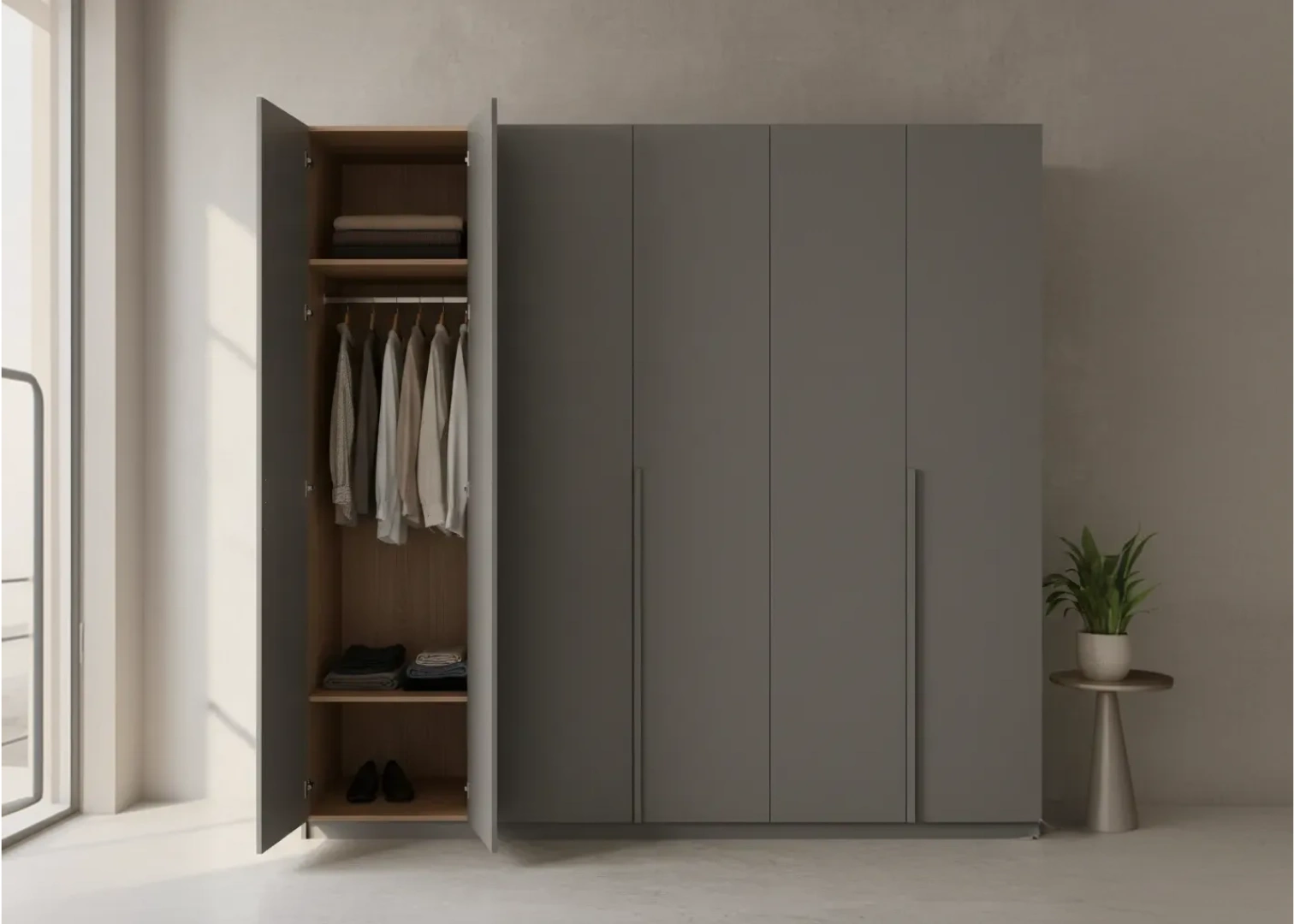
First, check the fitting itself. A hinge may need adjustment or replacement without requiring a new cabinet. Second, examine the panel holding it: if the fixing area has deteriorated, tightening the same screw may provide only a short-lived improvement.
This is why a repair recommendation should explain both the hardware and its mounting surface. Ask whether the fitting can be secured reliably in the existing panel, or whether the affected part needs replacement. The goal is to restore dependable operation rather than simply make the shutter look straight for a few days.
Steelax’s steel panels use double-layer riveting and stainless steel insert nuts to support secure assembly. That is one construction detail worth discussing if you are considering replacement. Our team can show you a sample so you can compare the fixing approach with your current kitchen.
Kitchen cabinet repair or partial replacement?

| Finding during inspection | Option to discuss |
| Sound panel with a faulty fitting | Hardware repair or replacement |
| Damage limited to one cabinet | Partial cabinet replacement after correcting the cause |
| Several weakened panels | Wider replacement assessment |
| Unclear or continuing moisture source | Investigate the source before approving cosmetic work |
Choosing replacement kitchen cabinet materials
If an HDHMR board kitchen has been affected by recurring moisture, simply ordering the same design with another colour may repeat the weakness. Resolve the leak or exposure first, then choose a material and construction suited to that location. Steelax specifies 304 stainless steel for under-sink cabinets.
Elsewhere, your budget and expected ownership period may support a different choice. Our steel versus wooden kitchen comparison explains the longer-term trade-offs without assigning a universal expiry date to either option.
If you are unsure whether the kitchen needs repair or replacement, speak to our Gomti Nagar team. Share photographs and your original specification, and ask about a site assessment before committing to a new kitchen.
HDHMR board and damaged kitchen cabinets: FAQs
Why is my five-year-old kitchen already damaged?
Possible causes include moisture exposure, deteriorated panels or fitting problems. Age alone does not identify the cause. Have the affected cabinets inspected before deciding between a repair and replacement.
Is HDHMR board waterproof?
It is described as moisture-resistant. That should not be treated as protection against an unattended leak or indefinite water contact. The actual board specification and cabinet construction also matter.
Can a sagging shutter be repaired?
Often the hinge or alignment can be addressed, but the mounting panel must also be checked. If the fixing area is weakened, repeated tightening may not provide a lasting repair.
Do I need to replace the whole kitchen?
Not necessarily. Localised damage may allow partial replacement if the remaining units are sound. Ask for an inspection that identifies the cause, extent and effect on neighbouring cabinets.