Table of Contents
- Stainless steel is a family of materials
- What grade 304 offers
- What grade 202 offers
- A practical side-by-side comparison
- Why placement matters
- How to evaluate a quotation
Stainless Steel Is Not One Single Material
When a kitchen or wardrobe is described as “stainless steel,” the phrase sounds complete. In reality, stainless steel includes different grades with different compositions and levels of corrosion resistance. Two grades commonly discussed in modular interiors are 304 and 202.
This does not mean one grade is universally good and the other universally bad. It means they suit different exposure levels, performance expectations, and budgets. The most responsible choice begins by understanding where the steel will be used.
What Makes Stainless Steel Stainless?
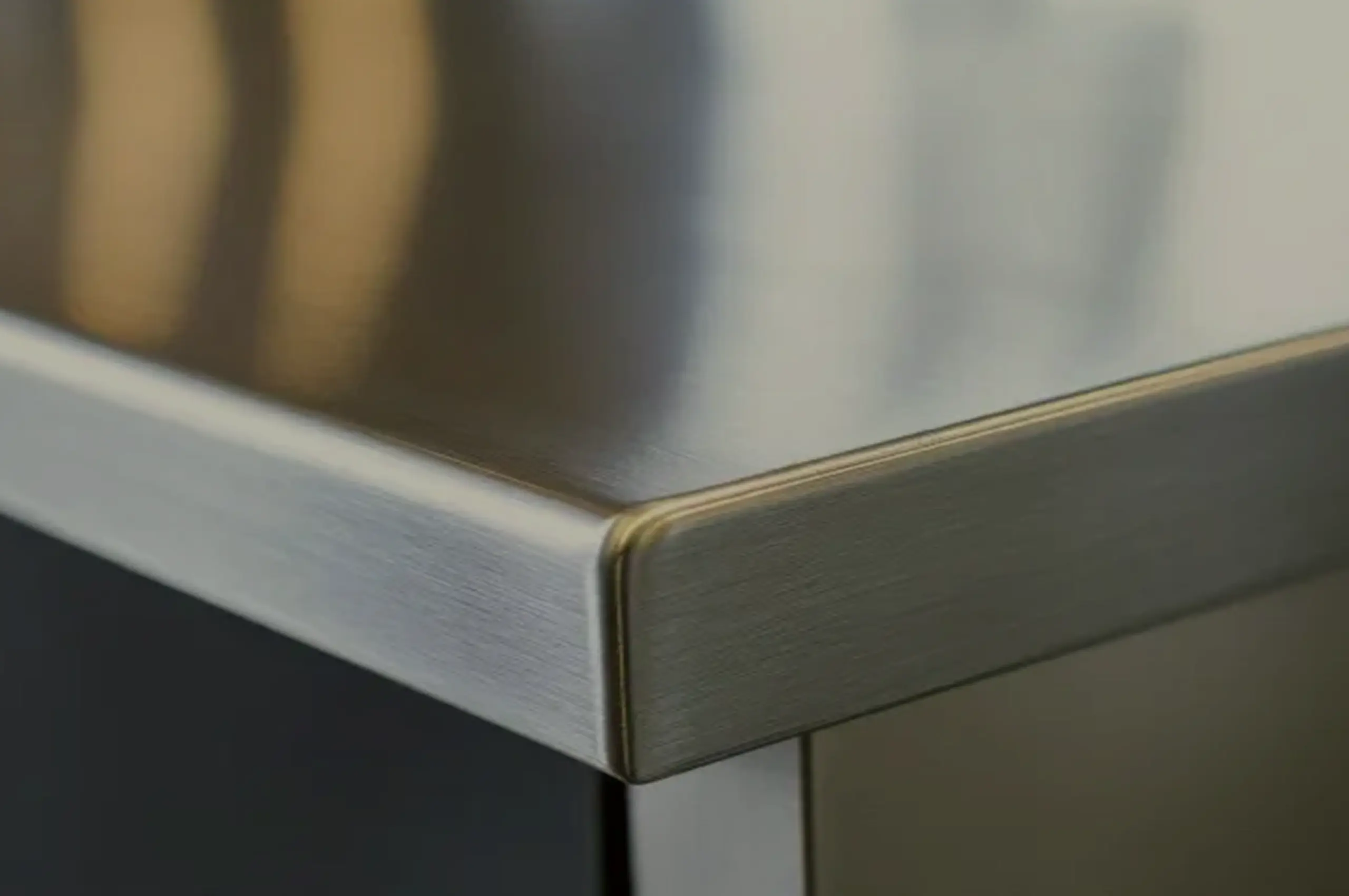
Stainless steel contains chromium, which helps form a thin protective layer on the surface. This passive layer supports resistance to corrosion. The complete alloy composition, manufacturing quality, surface condition, and environment all influence performance.
The word “rust-proof” is often used casually in marketing, but buyers should ask for the exact grade and application. Harsh chemicals, salt exposure, trapped moisture, surface contamination, and poor maintenance can challenge any material. Grade selection and fabrication quality therefore matter alongside routine care.
Understanding 304 Stainless Steel
Grade 304 is widely valued for strong corrosion resistance and suitability in demanding everyday environments. Its alloy composition generally provides more reliable protection against moisture and common kitchen conditions than 202. It is commonly used for food-related equipment, sinks, and other applications where hygiene and corrosion performance are important.
In a modular kitchen, 304 is especially sensible for the under-sink cabinet and other areas that may encounter leaks, repeated splashes, wet utensils, or high humidity. It is also a premium choice for homeowners who want a consistent high-performance material throughout the cabinetry.
This performance comes at a higher material cost. A genuine 304-grade kitchen will usually cost more than one built in 202 or galvanised steel. The additional spend improves the core material rather than simply changing the visible finish.
Understanding 202 Stainless Steel
Grade 202 is a cost-conscious stainless steel option that provides useful strength and an attractive stainless appearance. Its composition differs from 304 and generally offers lower corrosion resistance, particularly in aggressive or persistently damp conditions.
That does not make it unsuitable for all interiors. It can be used in medium-use cabinetry and relatively dry zones when correctly specified, fabricated, finished, and maintained. For homeowners balancing budget with the benefits of steel construction, 202 can form part of a carefully planned configuration.
The important point is transparency. A quotation should clearly state where 202 is used rather than referring vaguely to “stainless steel.”
304 vs 202: The Practical Comparison
For corrosion resistance, 304 has the advantage. For high-moisture or food-oriented zones, 304 is the safer choice. For cost efficiency in lower-exposure cabinetry, 202 may be considered. Both offer steel’s structural strength, termite resistance, and non-absorbent nature, but their long-term corrosion performance is not identical.
Appearance alone is not a reliable way to identify the grade. Both can have a brushed stainless finish, and external shutters may be painted in matte, glossy, metallic, or textured colours. Material certification, supplier credibility, and a clearly documented specification are more useful than a visual guess.
Why a Hybrid Grade Strategy Can Be Sensible
A kitchen is not exposed uniformly. The sink module faces more moisture than a crockery cabinet. A dry wardrobe has different demands from a vanity. Steelax can use 304 stainless steel in high-moisture areas while selecting 202 or GI for suitable general areas according to the project and budget.
This zone-based approach directs spending towards the areas that need it most. It should not be used to conceal material choices. Each cabinet’s grade should be explained and recorded so the homeowner knows exactly what is being purchased.
Grade Is Only One Part of Cabinet Quality
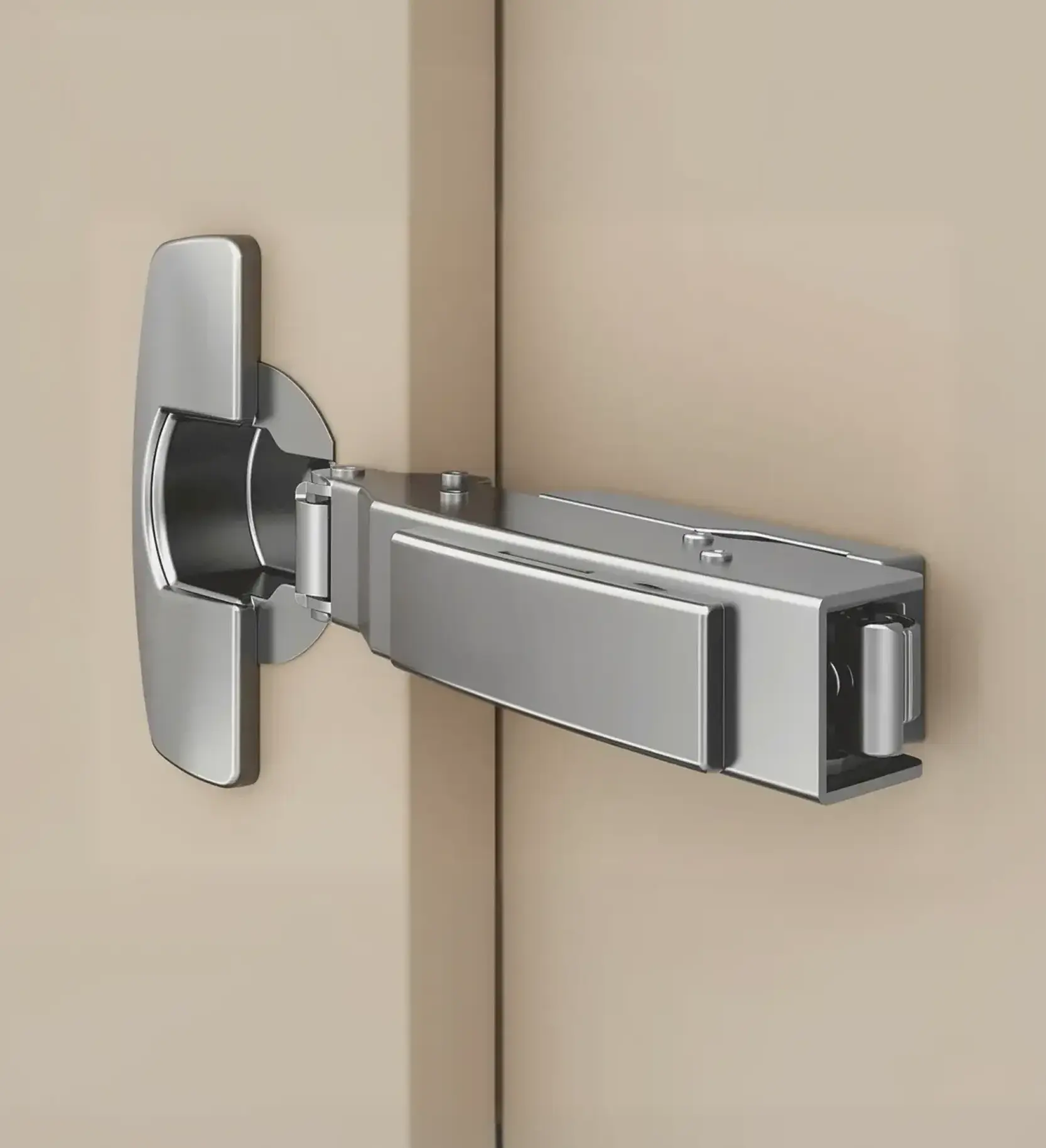
A 304 label cannot compensate for weak fabrication, unsuitable hardware, poor joining, or careless installation. Panel engineering, edge treatment, fastening, load support, shutter alignment, and service access all contribute to performance.
Steelax uses dual-sheet, rubber-insulated 18 mm panels to reduce metallic resonance. Double riveting improves rigidity, while stainless steel insert nuts provide secure fixing points for hardware. In-house painting supports consistency across external finishes. These details explain how raw steel becomes refined Steel Furniture rather than a basic metal box.
What to Ask Before You Buy
Request a cabinet-wise material schedule showing 304, 202, or GI usage. Ask about sheet thickness, panel construction, internal and external finish, hardware brands, moisture-zone detailing, warranty, and cleaning guidance. Be cautious of quotations that compare only final price without explaining the material inside.
The Best Modular Kitchens in Lucknow are not built on a mysterious grade claim. They make performance choices visible. Choose 304 when corrosion resistance and wet-zone reliability are priorities. Consider 202 for suitable dry or moderate-use sections when budget optimisation is important. Most of all, insist that the specification matches the actual conditions of your home.