Table of Contents
- Storage should reduce effort
- Map frequency before furniture
- Use vertical and overlooked space
- Plan room by room
- Select interiors that can adapt
- Build a storage brief
Smart Storage Should Reduce Effort, Not Just Hide Things
When a home feels cluttered, the instinct is often to add another cabinet. Yet the real problem may be poor placement, unsuitable depth, or storage that makes frequently used objects difficult to reach. Smart storage is less about maximum volume and more about minimum friction.
The simplest test is this: can you find an item, take it out, and return it without moving three other things? If not, the space needs better planning. Modern homes benefit from storage designed around visibility, frequency, weight, and the natural path of each activity.

Begin with a Frequency Map
Divide belongings into daily, weekly, seasonal, and archival categories. Daily items belong within comfortable reach. Weekly items can occupy slightly higher or deeper positions. Seasonal objects may move to lofts or less accessible zones, while sentimental or archival belongings need protected, labelled storage.
This approach prevents prime space from being occupied by rarely used pieces. It also reveals what should not be stored in a particular room at all. For example, suitcases may fit better in a wardrobe loft than in a utility cabinet, while cleaning supplies should remain close to the areas they serve.
Use Vertical Space Without Creating a Wall of Bulk
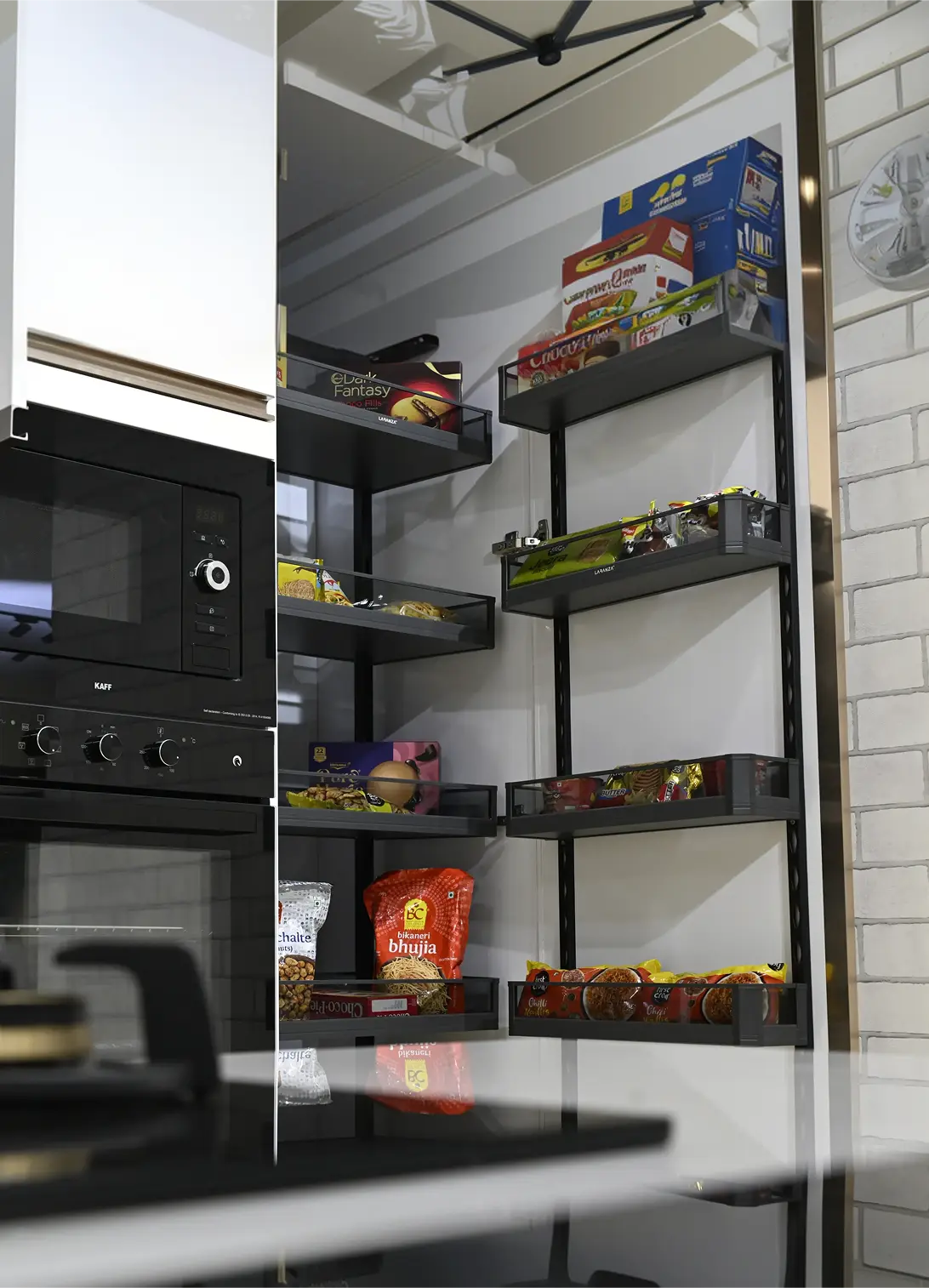
Tall storage can recover valuable capacity, especially in apartments, but it should be visually balanced. Full-height units work well for pantries, brooms, appliances, linen, or luggage. Lighter colours, recessed sections, and aligned shutter lines can keep them from feeling heavy.
Inside, adjustable shelves make the height useful rather than theoretical. Narrow vertical dividers are excellent for trays, chopping boards, ironing boards, or handbags. Internal drawers prevent smaller objects from becoming lost behind large shutters.
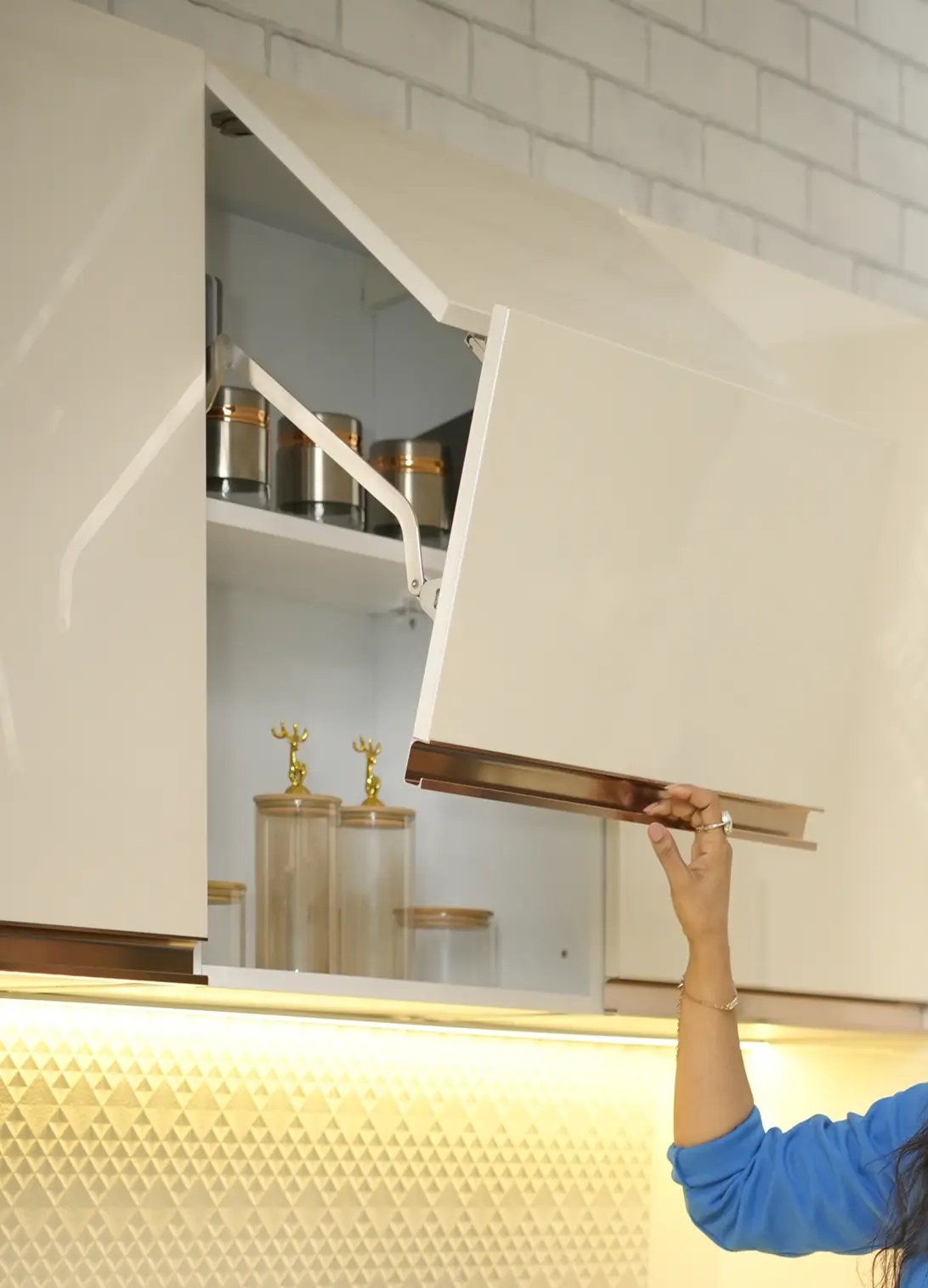
Overhead cabinets should be reserved for lightweight or infrequently used items. Storing heavy cookware above shoulder level may technically save space, but it does not create an easy home.
Give Corners a Specific Job
Corners are often either wasted or overloaded with complicated fittings. Choose a corner solution according to the items it will hold. In a kitchen, a well-designed carousel or corner pull-out can improve access to pots and appliances. In a wardrobe, an L-corner may suit hanging garments if the overlap is carefully managed.
Not every corner needs a mechanism. Sometimes a simple blind corner with an adjacent drawer bank gives better value and easier maintenance. The correct solution is the one you can use comfortably, not the one with the most moving parts.
Plan Smart Storage Room by Room
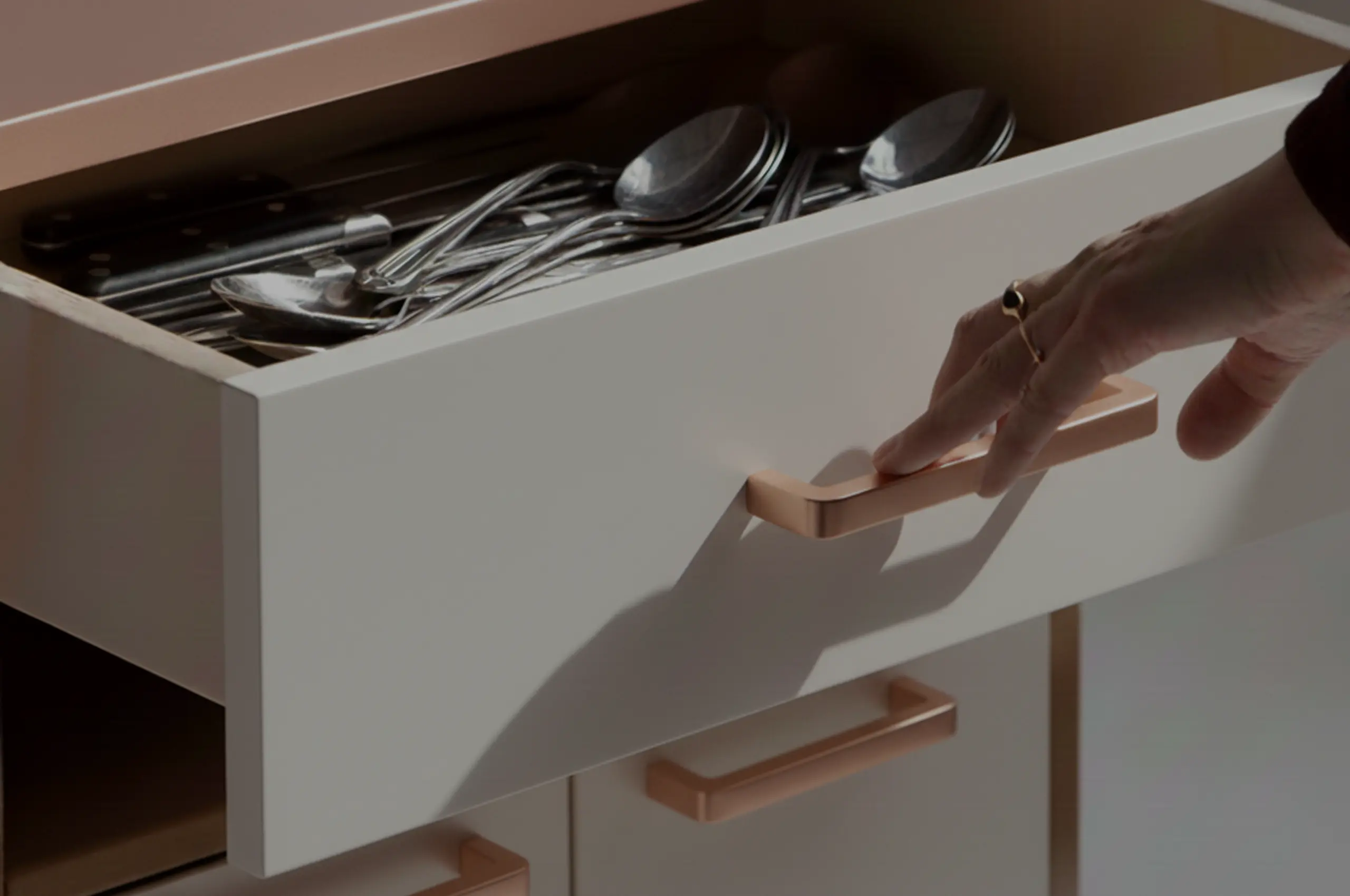
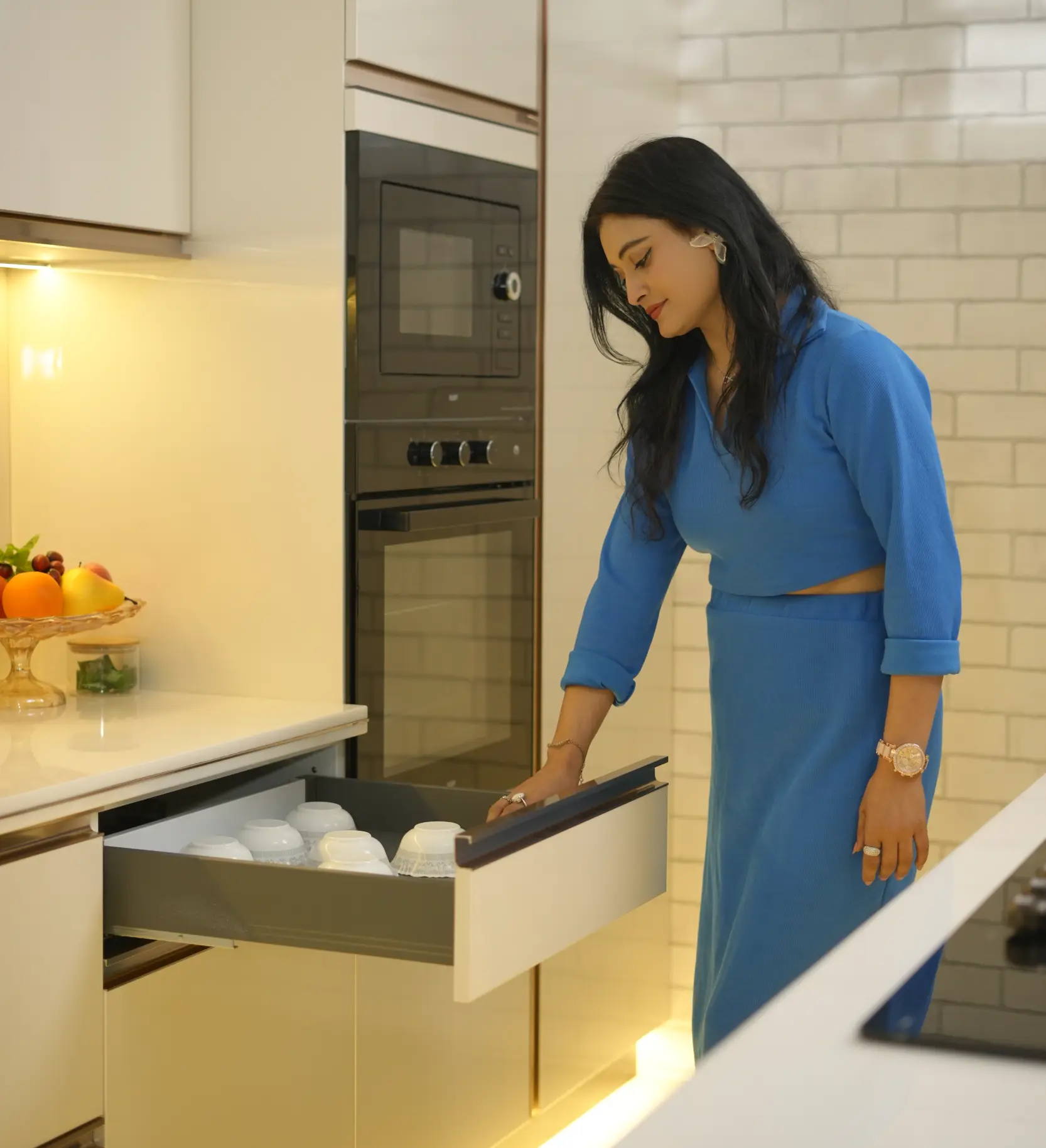
In the kitchen, locate storage by workflow. Keep knives, chopping boards, and preparation tools near the main counter. Place heavy pots in deep drawers close to the hob. Store plates near the dishwasher or drying area. Give oils and spices dedicated access without placing them directly beside excessive heat.
In bedrooms, separate long hanging, short hanging, folded clothing, accessories, footwear, and laundry. A wardrobe filled with identical shelves ignores how different clothing types behave. Slim drawers can organise watches and jewellery; ventilated shelves support shoes; a tall section protects dresses and coats.
Bathrooms need shallow, moisture-resistant storage. A mirror cabinet can hold daily grooming items at eye level, while vanity drawers organise refills and toiletries. Avoid deep shelves where small products disappear. Keep electrical devices away from wet zones and allow access to plumbing.
Living areas benefit from selective concealment. Closed cabinets can hold cables, devices, board games, and household supplies, while a few open surfaces display books or meaningful objects. A media unit should provide ventilation and service routes instead of simply hiding equipment.
Choose Materials That Support the Storage Environment
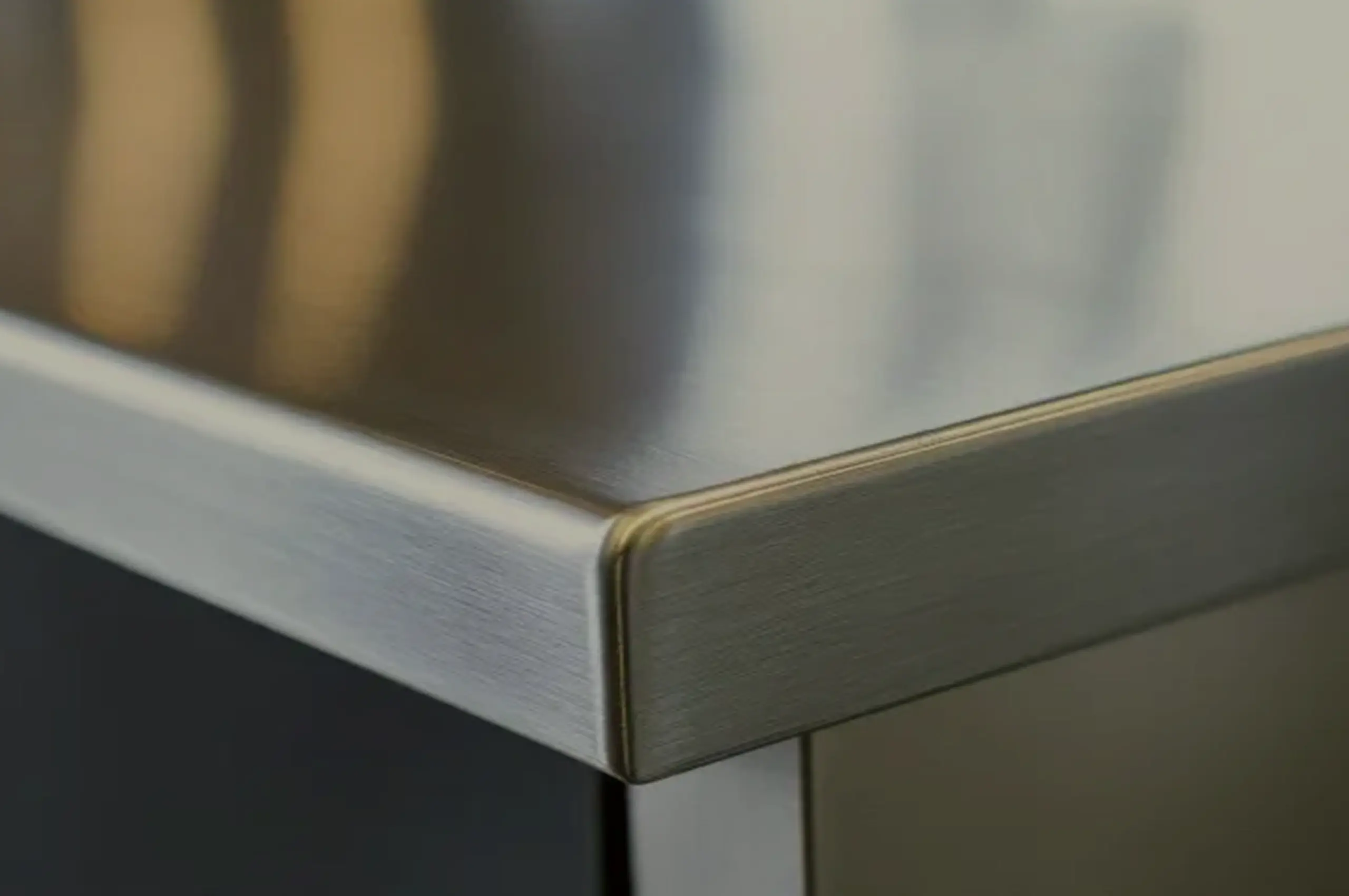
The Best Modular Interiors account for what the cabinet will face. Kitchens and bathrooms encounter moisture. Wardrobes hold weight over long spans. Utility areas may face rough use and cleaning chemicals. Steel Furniture offers strong, hygienic, termite-resistant construction across these conditions.
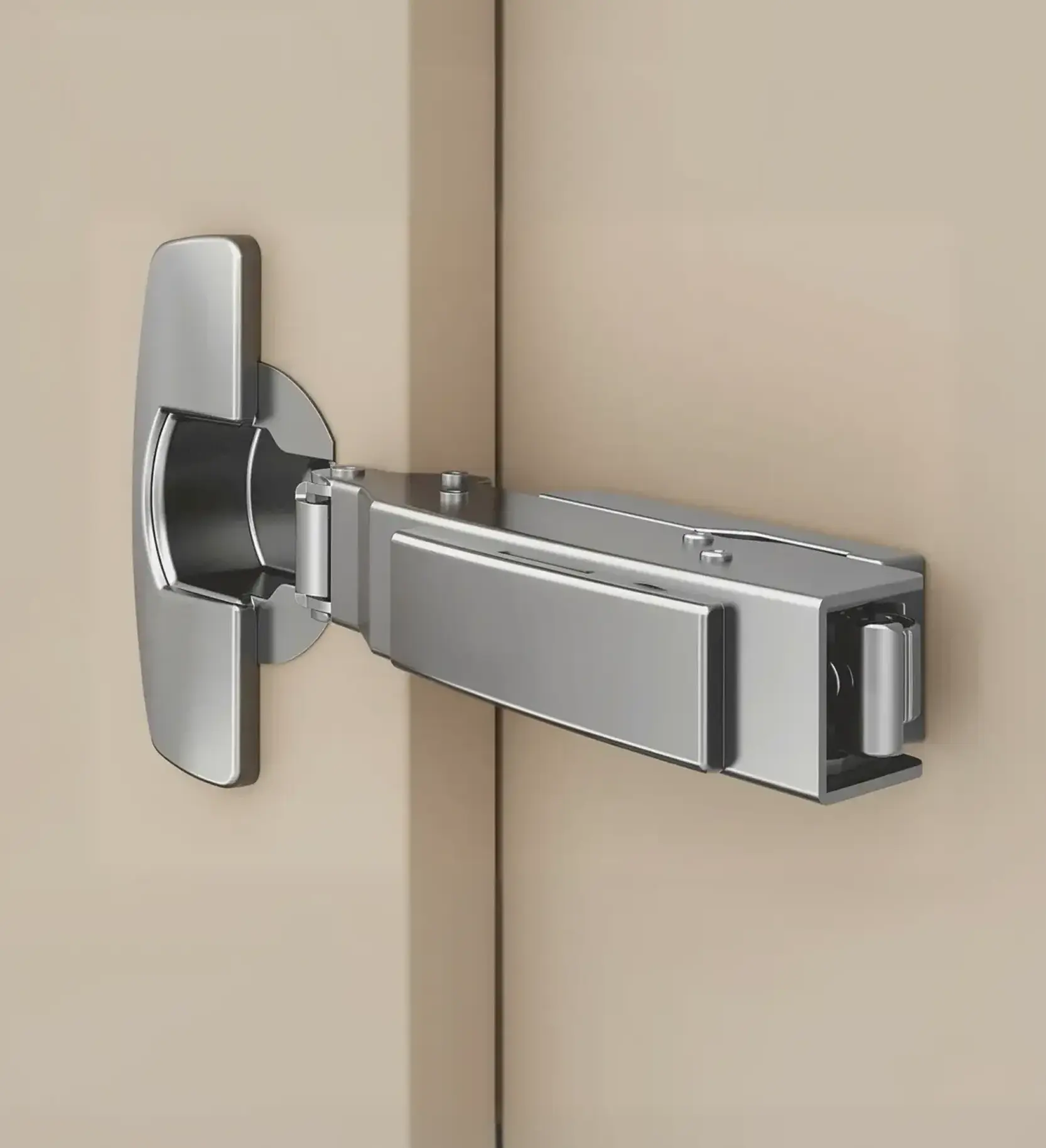
Steelax creates modular kitchens, wardrobes, vanity units, dressing tables, TV units, crockery units, and bar units in steel. Appropriate grades can be selected by zone, including 304 stainless steel for high-moisture applications. Rubber-insulated panels give shutters a quiet, solid action, while modular construction keeps units serviceable.
Turn Your Habits into a Useful Design Brief
Before meeting a designer, photograph the items that need storage and note their approximate quantities. Identify daily pain points such as crowded counters, inaccessible corners, mixed laundry, or nowhere to charge devices. Mention future needs too, including growing children, ageing parents, new appliances, or working from home.
For Steel Interiors in Lucknow, customisation is most valuable when it follows this evidence. Do not ask only for “more cabinets.” Ask for easier mornings, clearer counters, safer lifting, quicker cleaning, and room to adapt. Smart storage succeeds when the home feels simpler even though it quietly holds more.