Table of Contents
- Why the Choice Matters
- Understanding Sliding Wardrobes
- Understanding Hinged Wardrobes
- Space Planning Considerations
- Accessibility and Everyday Convenience
- Design Flexibility and Aesthetics
- Cost, Maintenance, and Longevity
- Which Wardrobe Is Right for You?
Why the Choice Matters
A wardrobe is often the largest piece of furniture in a bedroom, which means its design affects much more than storage. It influences room circulation, accessibility, aesthetics, and even how organized your daily routine feels.
When planning a modular wardrobe, homeowners typically find themselves choosing between two popular options: sliding wardrobes and hinged wardrobes. Both are widely used in modern homes, yet they offer very different experiences in terms of functionality and design.
The right choice is rarely about which option is better overall. It is about understanding which solution works better for your specific space and lifestyle.
Understanding Sliding Wardrobes
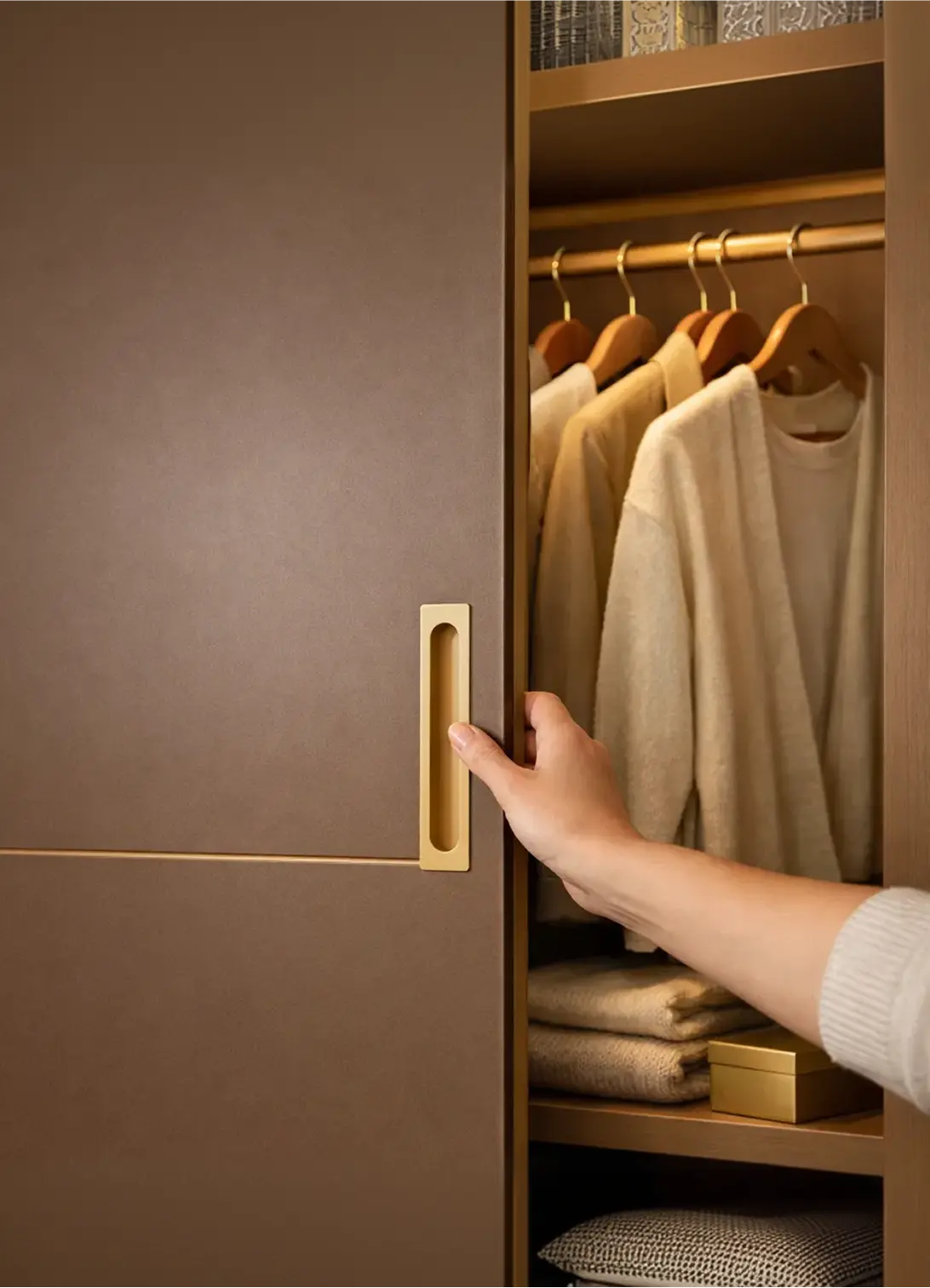
Sliding wardrobes operate on a track system where shutters move horizontally instead of opening outward.
Their biggest advantage is space efficiency. Since the doors do not swing open, the wardrobe requires no additional clearance in front. This makes sliding wardrobes particularly attractive for compact bedrooms and urban apartments where every square foot matters.
Visually, sliding wardrobes create a sleek and contemporary appearance. Large uninterrupted panels can make a room feel cleaner and more spacious. Many homeowners also appreciate the premium look that sliding systems bring to modern interiors.
However, sliding wardrobes come with one practical limitation. Since one panel overlaps another, only a portion of the wardrobe can be accessed at any given time. While this is rarely a major issue, it is worth considering if multiple family members frequently access the wardrobe simultaneously.
Understanding Hinged Wardrobes
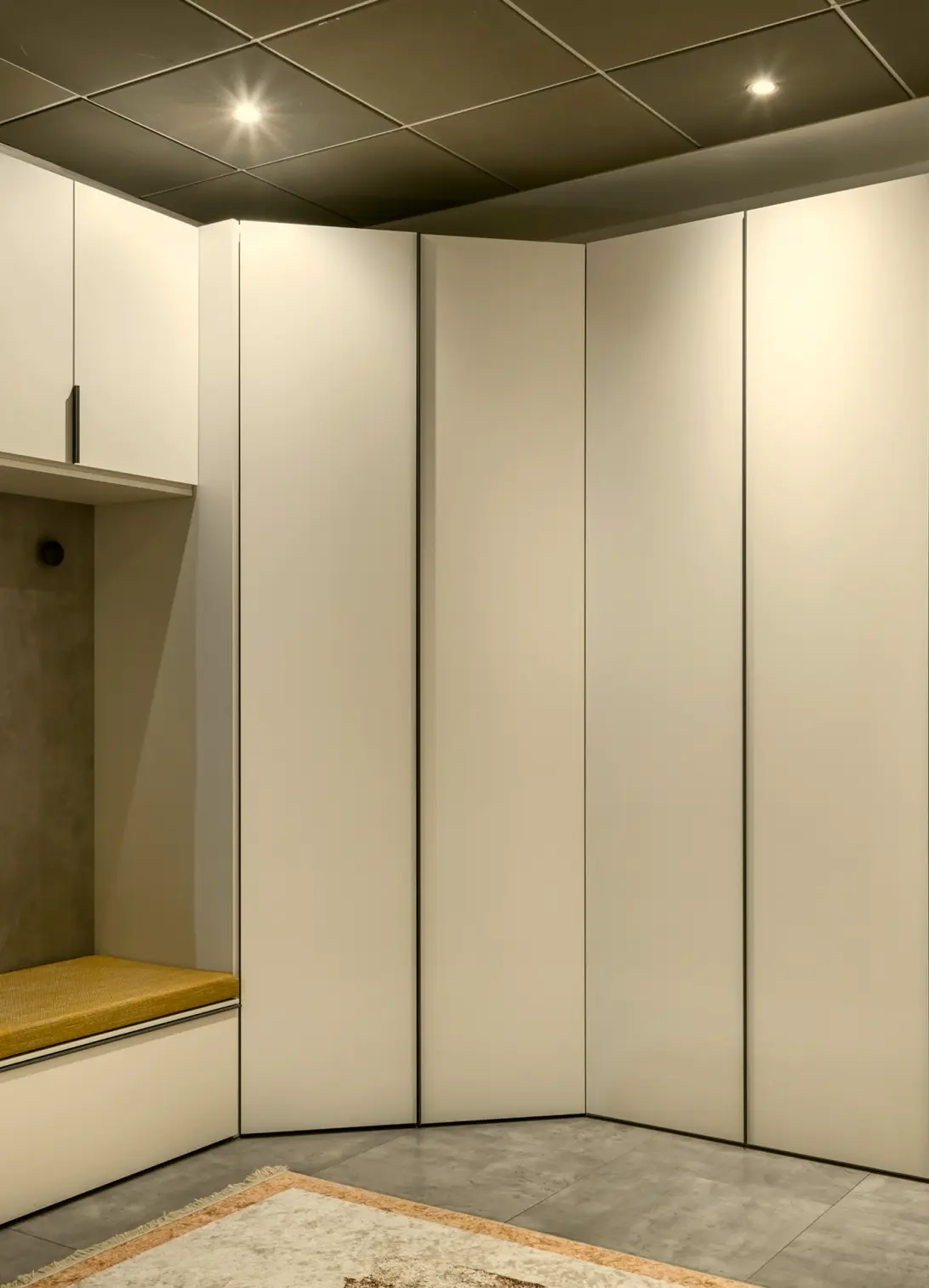
Hinged wardrobes remain one of the most widely used wardrobe formats because of their simplicity and practicality.
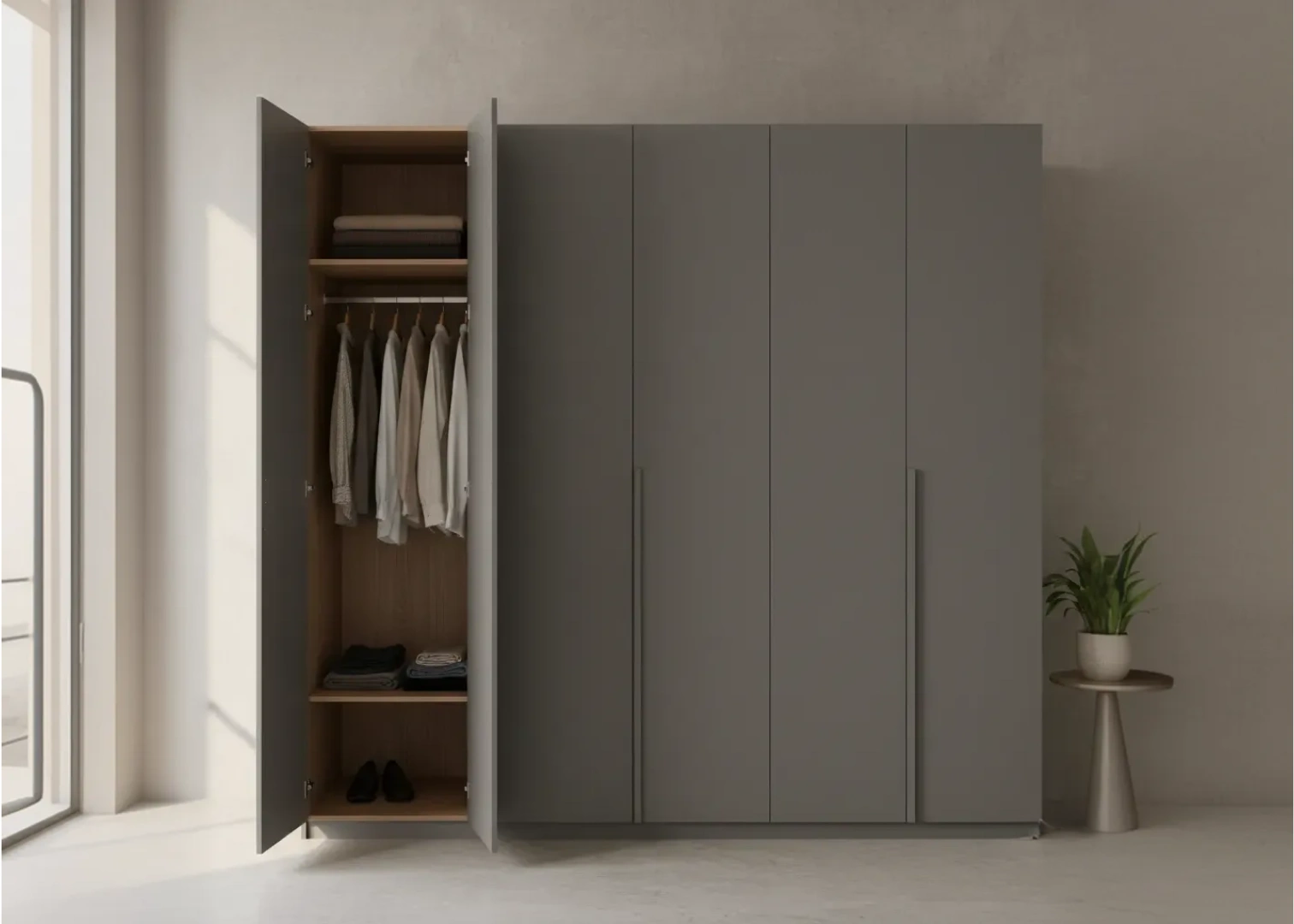
Unlike sliding systems, hinged shutters open outward, providing complete visibility and access to the entire wardrobe interior. This makes organizing, cleaning, and retrieving items easier, particularly in larger storage setups.
Another advantage is flexibility. Hinged wardrobes allow designers to incorporate a wider variety of internal accessories, including pull-out organizers, mirrors, laundry compartments, and specialized storage solutions.
From a design perspective, hinged wardrobes can work equally well in contemporary and classic interiors. Whether the desired look is minimal, luxurious, or traditional, hinged shutters adapt easily to different design styles.
Their only significant drawback is the space required for opening the doors. In compact rooms, this can occasionally interfere with furniture placement and circulation.
Space Planning Considerations
Room size is often the deciding factor when choosing between sliding and hinged wardrobes.
In apartments or smaller bedrooms, sliding wardrobes often feel like the obvious choice. Their ability to function without requiring door clearance allows homeowners to utilize space more efficiently.
However, larger rooms provide greater flexibility. In these situations, hinged wardrobes often become more practical because they offer unrestricted access to the entire storage area.
The decision should not be based solely on room dimensions. Furniture placement, circulation paths, and overall room layout all influence which option will feel more comfortable in daily use.
A wardrobe that looks ideal on paper may feel restrictive if these factors are overlooked.
Accessibility and Everyday Convenience
The true test of any wardrobe lies in how it performs every day.
For homeowners who frequently access different sections of their wardrobe, hinged systems offer a clear advantage. Opening all shutters simultaneously provides a complete view of clothing, accessories, and storage compartments.
This can be particularly useful during busy mornings when locating items quickly matters.
Sliding wardrobes, on the other hand, prioritize convenience in compact spaces. They eliminate concerns about door clearance and allow smooth access without affecting surrounding furniture.
The difference may seem minor initially, but it becomes increasingly noticeable over years of daily use.
Ultimately, convenience is less about the mechanism itself and more about how well it aligns with the user’s habits.
Design Flexibility and Aesthetics
Both wardrobe types offer excellent design possibilities, but they create very different visual impressions.
Sliding wardrobes tend to emphasize clean lines and contemporary minimalism. Their large panels create a seamless appearance that works especially well in modern bedrooms. They are often preferred when homeowners want the wardrobe to blend quietly into the overall design.
Hinged wardrobes provide greater flexibility in styling. Panel detailing, decorative finishes, handles, mouldings, and custom shutter designs can all be incorporated more easily.
For homeowners seeking a timeless design that can evolve with changing interior trends, hinged wardrobes often provide more customization opportunities.
The decision ultimately depends on whether the goal is modern simplicity or design versatility.
Cost, Maintenance, and Longevity
Budget considerations often influence the final decision.
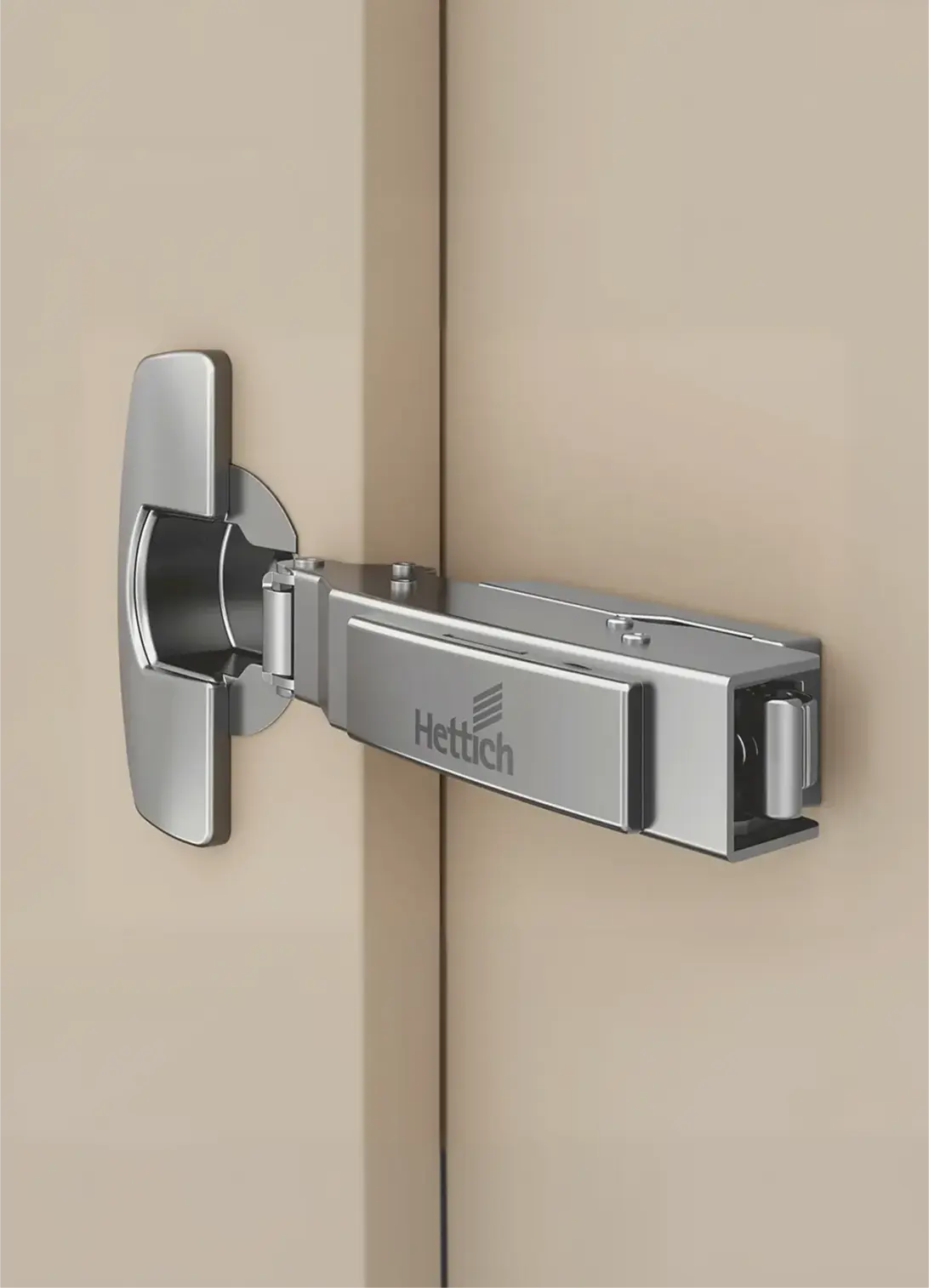
Sliding wardrobes typically involve more complex hardware systems, including tracks, rollers, and alignment mechanisms. As a result, they often carry a higher initial cost compared to hinged alternatives.
Hinged wardrobes generally use simpler hardware configurations, making them more economical and easier to maintain over time.
That said, the quality of materials and hardware plays a far greater role in longevity than the opening mechanism itself. Premium modular wardrobes built using durable materials and high-quality fittings will outperform poorly constructed alternatives regardless of design.
This is why experienced manufacturers focus not only on appearance but also on structural quality, hardware reliability, and long-term performance.
Which Wardrobe Is Right for You?
There is no universal winner in the sliding versus hinged wardrobe debate.
If your priority is maximizing space in a compact bedroom while maintaining a clean contemporary look, a sliding wardrobe is often the ideal choice.
If you value full accessibility, design flexibility, and ease of organization, a hinged wardrobe may be the better investment.
The most successful wardrobe projects begin by understanding how the space will actually be used. Room dimensions, storage requirements, design preferences, and daily habits should all influence the decision.
For homeowners looking for the Best Modular Furniture in Lucknow, the focus should not simply be on choosing a wardrobe style but on creating a storage solution tailored to their lifestyle. Whether sliding or hinged, a well-designed modular wardrobe should deliver effortless organization, durability, and everyday convenience for years to come. Brands like Steelax Lucknow continue to demonstrate how customized modular solutions can balance functionality, aesthetics, and long-term performance for modern homes.