

If your kitchen has started swelling or losing its shape sooner than expected, you probably want to avoid making the same investment twice. Comparing a wooden kitchen vs steel kitchen begins with that concern: how well will the cupboards hold up to everyday cooking, spills and cleaning?
Neither material comes with a universal expiry date. A well-made wooden kitchen can serve you for years, while a steel kitchen still needs suitable grades and proper construction. What matters is how each handles the conditions most likely to cause damage in your home.
Table of Contents
- What causes kitchen cabinets to wear out?
- How plywood, HDHMR and MDF kitchen cabinets age
- What supports a steel kitchen’s lifespan?
- Wooden kitchen vs steel kitchen: termites and water
- Steel and wooden kitchen costs over ten years
- When a wooden kitchen makes sense
- Wooden kitchen vs steel kitchen: FAQs
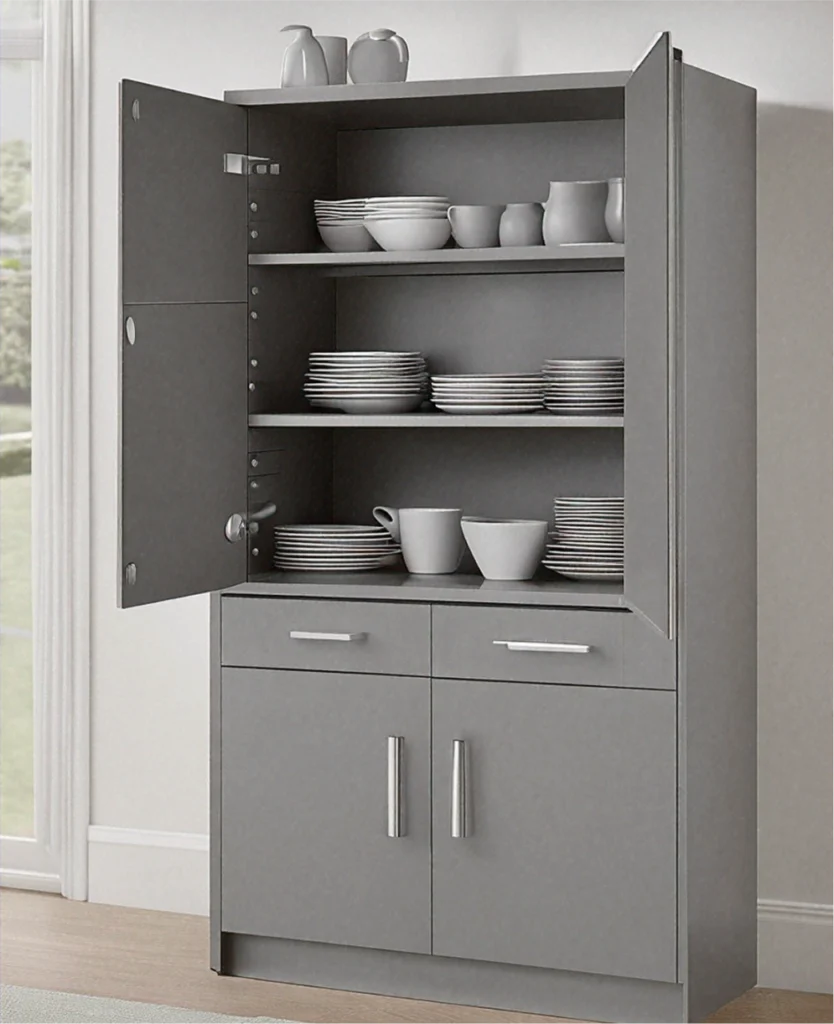
What causes kitchen cabinets to wear out?
A kitchen rarely fails all at once. Damage may begin beneath the sink, along a cabinet edge or around a shutter fixing. Much of the kitchen can still look good, leaving you unsure whether a repair will be enough.
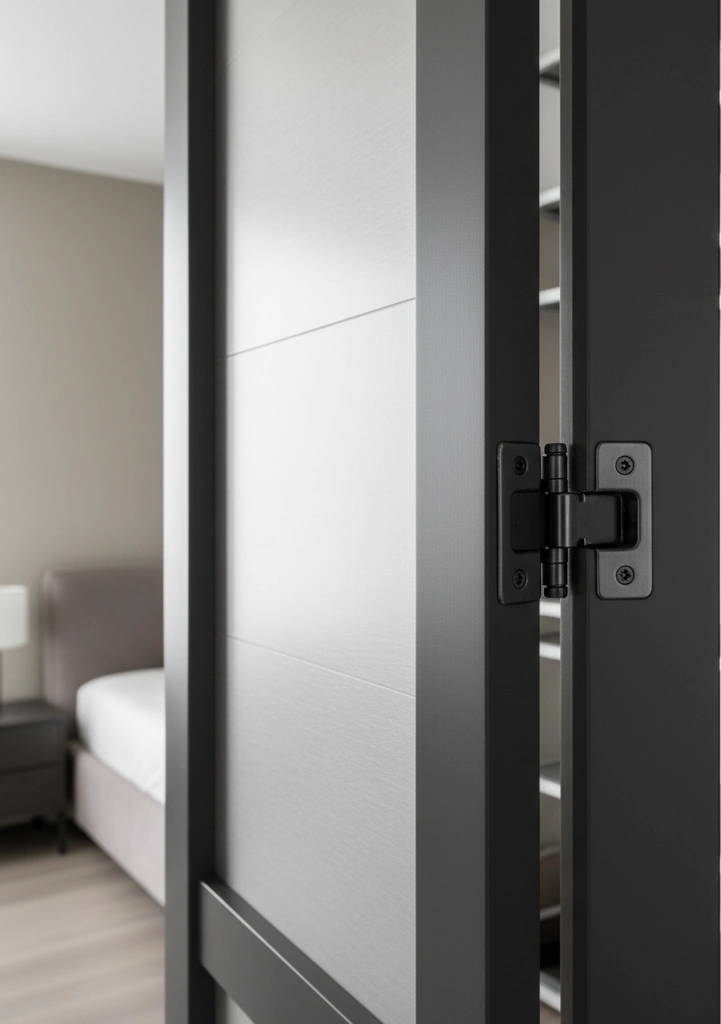
The distinction is between a worn component and a weakened cabinet. A faulty hinge can be replaced; a damaged panel holding that hinge needs a different solution. When comparing kitchens, look beyond the shutter finish and ask what the structure is made of. That is where many long-term differences begin.
For a wooden kitchen vs steel kitchen decision, inspect the internal construction as well as the front. You want to understand which parts can be serviced and which failures would require a new panel or cabinet.
How plywood, HDHMR and MDF kitchen cabinets age
Most “wooden” modular kitchens use plywood or engineered boards such as HDHMR and MDF, covered with a decorative finish. Their performance depends on the board specification, workmanship and exposure to moisture. Similar-looking shutters can therefore belong to very different kitchens.
HDHMR offers moisture resistance, but a recurring leak still needs prompt attention. An acrylic finish changes the outer appearance without necessarily changing the board underneath. Paying more for a glossy surface does not automatically mean you are buying a longer-lasting cabinet.
Rather than accepting a fixed lifespan claim, check the specified material and its protection around plumbing openings and edges. Our kitchen cabinet material guide explains the alternatives in more detail.
What supports a steel kitchen’s lifespan?
Steel does not absorb water and swell like a wood-based board, and termites cannot consume the steel structure. These properties make it worth considering for a kitchen you intend to keep for the long term. The grade and construction still deserve attention.
At Steelax, under-sink cabinets are made exclusively with 304 stainless steel. Depending on the application and budget, other cabinetry can use 202 stainless steel or galvanised steel. Mixed-grade configurations help direct spending towards the areas with greater moisture exposure.
Our 18 mm dual-sheet panels have a rubber insulation core to reduce metallic noise. Double-layer riveting and stainless steel insert nuts support secure assembly. If you would like to understand how this feels in use, our Gomti Nagar team can show you a panel sample and let you try the shutters.
Wooden kitchen vs steel kitchen: termites and water
Replacing wood-based cabinets with steel removes a material termites can feed on. It does not eliminate an infestation elsewhere in the property. If you have already noticed termite activity, the building may still need inspection and treatment.
Similarly, a steel sink cabinet avoids board swelling but cannot fix a leaking pipe. Water can continue to affect the surrounding wall or floor, so the underlying problem must be addressed. Choosing a more suitable cabinet material and repairing the leak are separate decisions.
Ask which steel grade is specified beneath the sink and which is used elsewhere. “Steel kitchen” is too broad a description for a fair comparison. If pests are your main concern, our guide to termites in kitchen cabinets explores that issue further.
Steel and wooden kitchen costs over ten years
Wooden kitchens generally offer a lower starting price. Whether steel works out cheaper over ten years depends on actual repairs and replacement, which cannot be predicted from the material name alone.
These approximate 2026 planning prices come from Steelax’s references for an 80 sq ft kitchen:
Kitchen specification | Approximate initial cost |
|---|---|
Carpenter-built plywood | ₹1.25 lakh |
Factory-made HDHMR/MDF | ₹2.50 lakh |
HDHMR/MDF with acrylic finish | ₹3.00–3.25 lakh |
GI steel | ₹3.20 lakh |
202 stainless steel | ₹4.00 lakh |
304 stainless steel | ₹5.50 lakh |
Final prices depend on site conditions and specifications. These references are not quotations with verified identical inclusions.
Consider a simple illustration. A ₹2.50 lakh board kitchen replaced once at the same price would involve ₹5 lakh in purchase spending. A ₹4 lakh 202 steel kitchen retained throughout those ten years would cost less in that scenario. If the board kitchen remained serviceable, it would retain its initial price advantage.
This illustration excludes inflation, repairs and removal costs. It shows why your likely ownership period matters, rather than proving that steel always saves money. Before comparing totals, check equivalent layouts and fittings using our guide to kitchen cost differences.
When a wooden kitchen makes sense
For a rental property, a short stay or a renovation with a firm spending limit, a lower-cost wooden kitchen can be reasonable. Steelax also offers HDHMR kitchens because the right specification depends on your circumstances.
In a long-term family home, repeated moisture damage or termite concerns may justify investing more in the cabinet structure. You can also choose wood-look finishes on steel if you prefer that appearance.
Before deciding, compare the material schedule, quotation inclusions and warranty together. Steelax states a lifetime warranty against rust and material degradation; hardware and appliances need separate consideration. Our warranty guide explains these distinctions.
Share your kitchen layout with our team or visit our Gomti Nagar or Sushant Golf City showroom. We can help you compare HDHMR and steel options against your budget and everyday needs.
Wooden kitchen vs steel kitchen: FAQs
Will a steel kitchen stop termite and water problems for good?
Steel cannot be consumed by termites and does not swell through water absorption like boards. It does not resolve building infestations or plumbing leaks. Suitable steel grades and repairs to the underlying problem still matter.
How long will a steel kitchen last compared to wood?
There is no fixed lifespan for every kitchen. Steel avoids termite damage to its structure and board swelling, supporting long-term use. Wooden cabinetry depends heavily on material quality, moisture protection and workmanship.
Is steel always cheaper over ten years?
No. A wooden kitchen that remains serviceable can retain its lower purchase-cost advantage. Steel may offer better value if it avoids repairs or replacement that the alternative would need.
Does the lifetime warranty cover everything?
Steelax states lifetime coverage against rust and material degradation. Do not assume the same coverage applies to finishes, hinges, channels or appliances. Check the written terms supplied with your order.

I look forward to seeing how these developments will improve service levels and customer satisfaction in the freight industry!
[…] your budget and expected ownership period may support a different choice. Our steel versus wooden kitchen comparison explains the longer-term trade-offs without assigning a universal expiry date to either […]