
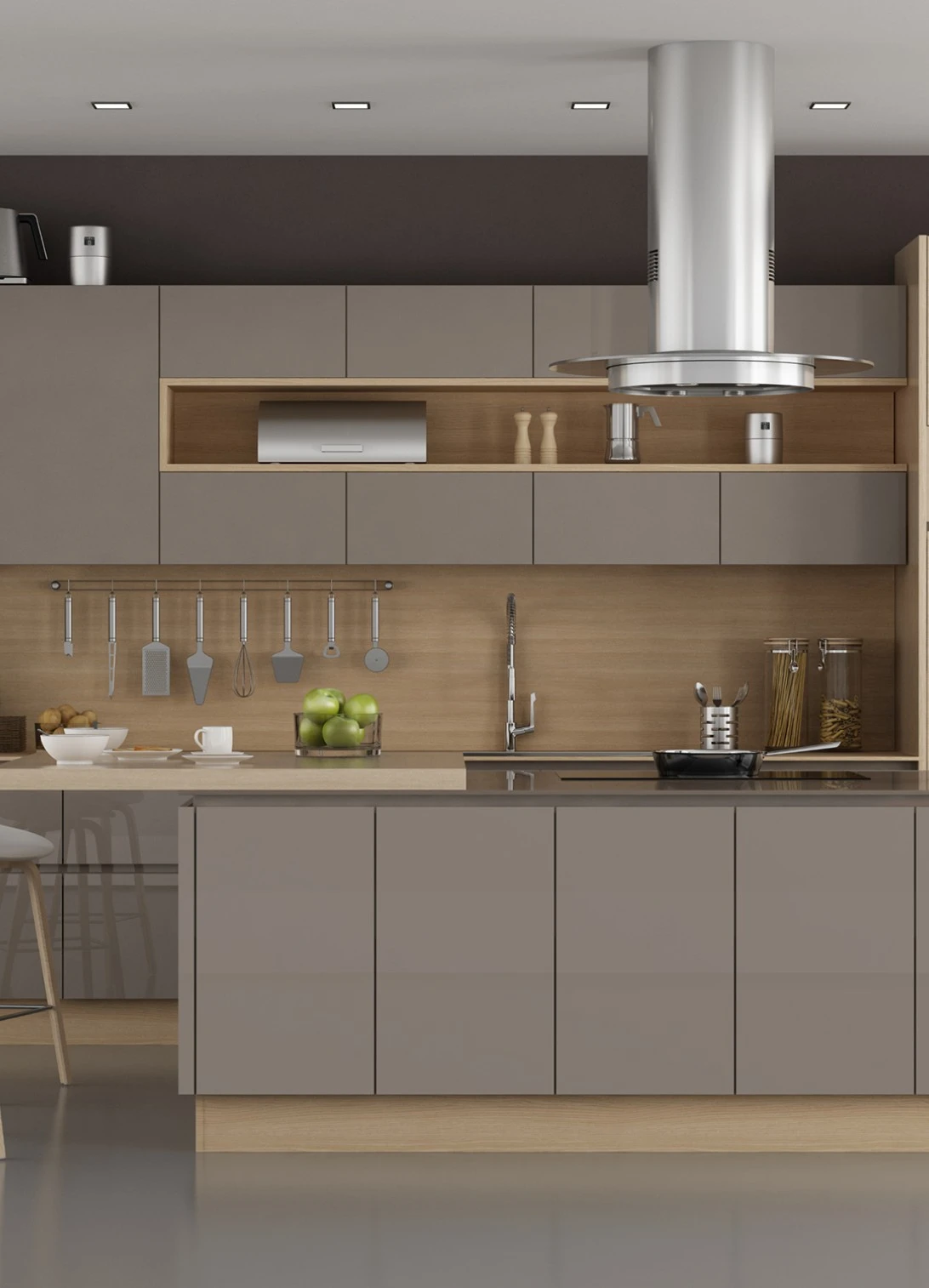
If you have been asking, “is steel kitchen good for an Indian home?”, you are probably not looking for a material science lecture. You want to know what happens after a few years of tadka, pressure cooking, wet mopping, sink splashes, heavy utensils and summer-to-monsoon humidity. You also want to know what you give up by moving away from a familiar wood-based kitchen.
Steel has clear strengths, especially around water, termites and structural stability. It also has a higher entry cost than many basic wood systems, and a hard impact can dent a metal panel. The useful answer is therefore not that steel is perfect. It is that steel solves a specific set of household problems very well, provided the grade, panel construction, hardware and finish are properly specified.
Table of Contents
How steel copes with everyday Indian cooking
Indian cooking is hard on cabinetry because heat, steam, oil and repeated cleaning are part of normal use. The cabinet nearest the sink and hob gets the most punishment. A practical steel specification pays attention to those zones instead of treating every cabinet as if it faces the same conditions.
Steelax uses 304 stainless steel in the sink cabinet, while 202 stainless steel or GI may be used in other areas according to the project. The steel is CNC cut and built into dual-sheet 18 mm panels with a rubber insulation core. That construction is meant to give the shutters and cabinet parts a more solid feel than a thin hollow metal sheet.
Cleaning is straightforward because the cabinet structure does not have exposed wood fibre that needs to be protected from water. That does not mean you should ignore leaks. A leaking sink can still damage the wall, countertop seal, flooring or nearby electrical point. The advantage is that the cabinet body itself is not waiting to swell once water reaches the core.
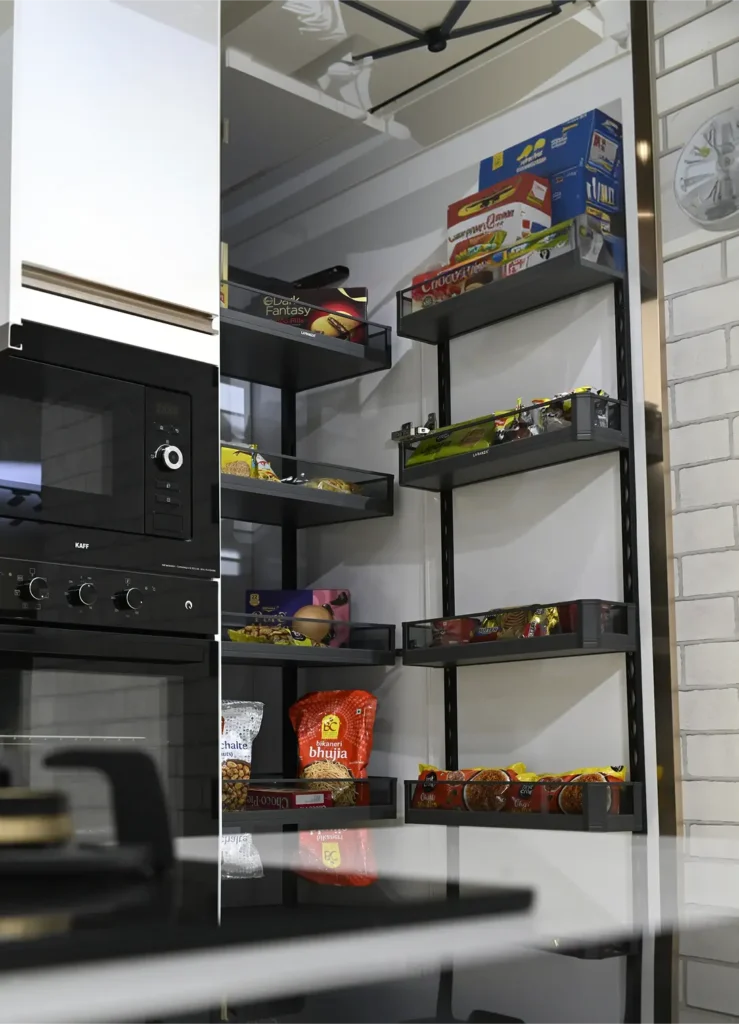
Heavy utensils bring the hardware into the conversation. Drawers need reliable runners, hinges need secure fixing and tall shutters need stable alignment. Steelax uses insert nuts and reinforced fixing methods with hardware from brands including Hettich, Hafele, Blum, Laranza and Ozone. The hardware model and load requirement should still be chosen for the actual cabinet.
Hygiene, humidity and the Lucknow monsoon
Humidity is not the same as a direct leak, but both can expose the weakness of porous or poorly sealed cabinet materials. During the monsoon, kitchens also see slower drying around wet cloths, sink areas and floor edges. A steel carcass gives families one less absorbent material to worry about.
Hygiene is often discussed too broadly. No kitchen is hygienic simply because of one material. Food spills still need cleaning, corners still need access and the sink still needs maintenance. Steel helps because its surfaces are non-porous and easy to wipe, but good housekeeping and a sensible cabinet design remain part of the result.
A useful way to judge the material is to inspect the cabinet that gets the least glamour in a showroom: the sink base. Open it, look at the joints and ask what grade is there. If a brand is confident about the wet zone, it should be able to explain the construction without hiding behind a decorative shutter.
The trade-offs worth knowing before you decide
The first trade-off is cost. Steel generally asks for more upfront than entry-level plywood or factory board. That higher cost may make sense for a family staying in the home long term or replacing a kitchen damaged by moisture and termites. It may feel unnecessary for a short-term rental or a very tight renovation budget.
The second is denting. Steel does not swell, but a strong point impact can mark a metal shutter. Panel engineering affects how easily this happens, which is why a full-size sample matters more than a thin loose sheet. Ask to handle a finished shutter and see how it feels under normal pressure.
The third is repair familiarity. A local carpenter can work with plywood almost anywhere. Steel cabinetry needs the right fabrication, fixing and refinishing skill. That makes after-sales support and access to the original specification more important.
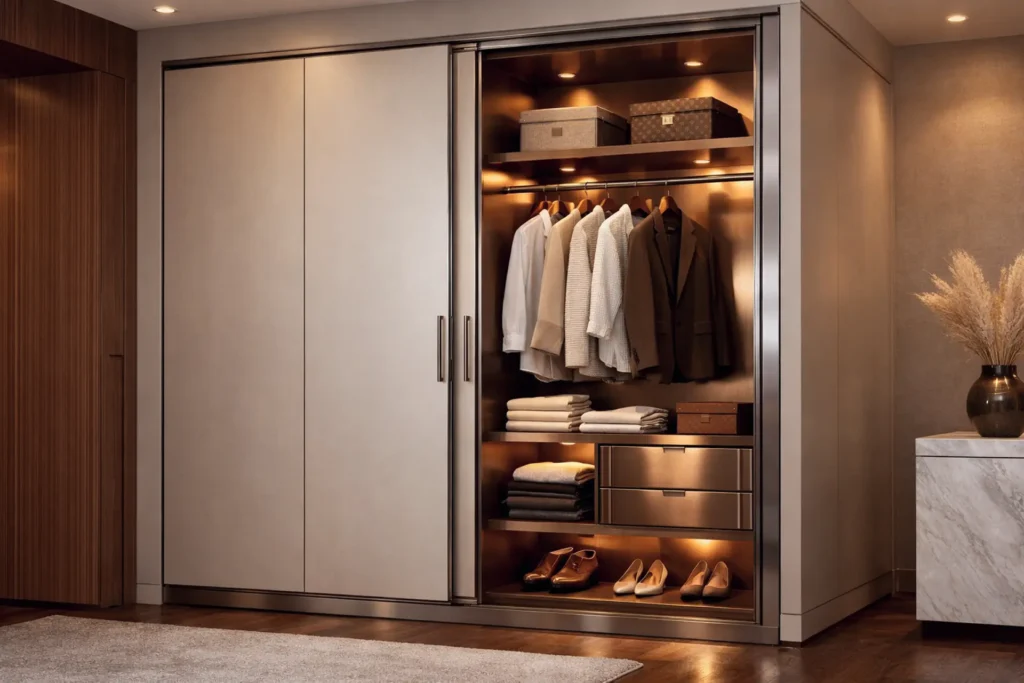
Finally, some people simply prefer the feel of wood-based interiors. A wood-look finish can recreate much of the visual warmth, but the sound and touch will still be different. Visit an experience centre before ordering if you are unsure. Material preference is easier to judge with a full cabinet in front of you.

Pros and cons at a glance
| What you are comparing | Steel kitchen | Wood-based modular kitchen |
| Moisture around cabinets | Does not swell like a wood core; grade choice still matters | Performance depends on board grade, sealing and leak exposure |
| Termites | No wood core for termites to feed on | Wood-based core can be vulnerable |
| Cleaning | Non-porous surface, easy to wipe | Finish is easy to clean, but exposed core needs protection |
| Upfront cost | Usually higher for engineered steel systems | Wider range of entry prices |
| Impact behaviour | Can dent under a hard point impact | Can chip, swell or crush depending on board and finish |
| Local repair familiarity | Needs suitable metal fabrication and finishing skill | Carpenter network is widely available |
| Finish choice | Can include matte, glossy, metallic, textured and wood-look finishes | Very broad laminate, acrylic and veneer choices |
The table is not a verdict. It shows which problems each material asks you to manage. If moisture and termites are high on your list, steel removes two common sources of anxiety. If first cost and local repair access matter most, a well-specified wood system may still be a sensible choice.
How Steelax builds around the drawbacks
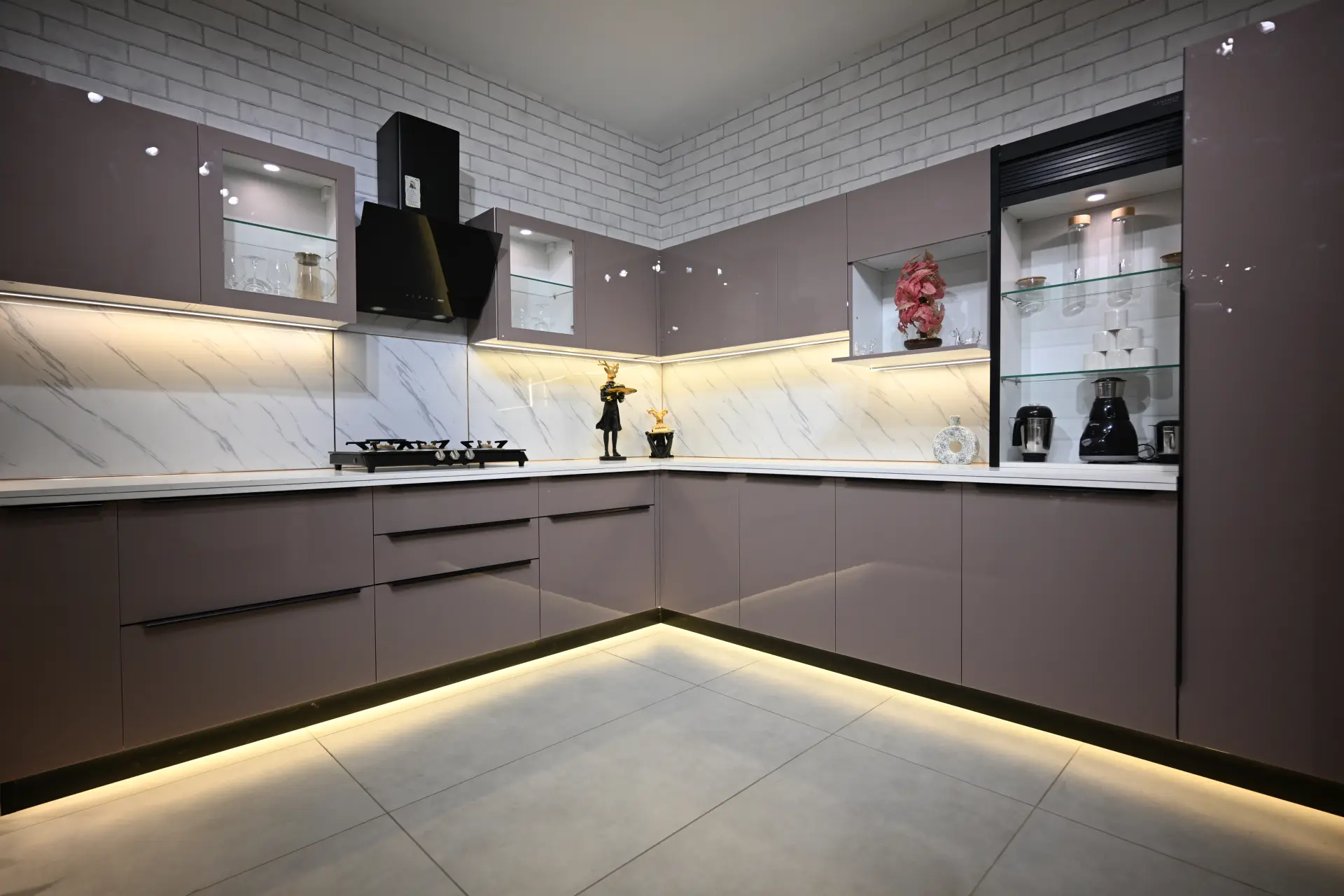
Steelax began as a steel almirah maker in 1990 and now specialises in modular steel interiors. The current system uses 0.8 mm Jindal stainless steel, zone-specific grades, dual-sheet 18 mm panels, rubber insulation, double riveting and stainless steel insert nuts. These construction choices are intended to address the thin, noisy image many people associate with older metal cupboards.
The finishing process also matters because a home kitchen should feel like part of the interior, not a utility cabinet. More than 500 finish options allow the outside to be coordinated with flooring, countertops and the adjoining living area. Hardware and accessories are then chosen according to the storage plan.
If you are comparing steel with wood, ask for the same layout in both materials and look at the complete specification. That is far more useful than comparing a premium steel kitchen with the cheapest plywood quote.
Frequently asked questions
Is a steel kitchen good for Indian cooking?
Yes, steel is well suited to the moisture, cleaning and heavy use common in Indian kitchens. The important part is the specification. Steelax uses 304 stainless steel in the sink zone and other grades according to location, with engineered panels and branded hardware. Good ventilation and proper installation still matter.
Why are people choosing stainless steel kitchens over wood?
The biggest reasons are usually moisture and termite concerns. Steel does not have a wood core that can swell after water exposure, and termites cannot feed on it. Families who have repaired a damaged wooden kitchen often value that structural difference more than the lower first cost of another wood-based system.
What are the disadvantages of a steel kitchen?
Upfront cost can be higher, strong impacts can dent metal panels and repairs need the right fabrication skill. Some homeowners also prefer the familiar touch of wood. A full-size showroom visit helps because panel construction and finish quality change the experience considerably.
Is steel more hygienic than wood?
Steel is non-porous and easy to wipe, which makes routine cleaning simple. Hygiene still depends on the whole kitchen, including accessible corners, sink maintenance, ventilation and cleaning habits. It is better to think of steel as an easy-to-clean structural material rather than a replacement for good kitchen care.
Does steel suit Lucknow's humid weather?
Steel cabinets do not absorb humidity and swell like a wood-based core. Grade and finish still matter, especially in the wettest areas. Steelax uses 304 stainless steel under the sink and selects other grades for the rest of the kitchen according to the project.
Is the higher price of steel worth it?
It depends on your time horizon and the problems you are trying to avoid. If you plan to keep the kitchen for many years and have experienced water or termite damage, the higher upfront spend may be easier to justify. Compare complete quotes and inspect the construction before deciding.
If you would like to feel the difference rather than judge it from photographs, visit a Steelax experience centre in Lucknow and open the cabinets, drawers and sink units yourself.
I look forward to seeing how these developments will improve service levels and customer satisfaction in the freight industry!